

The Soul of Soft Architecture
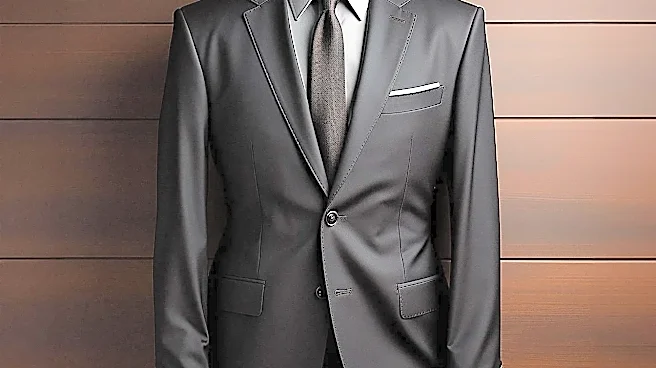
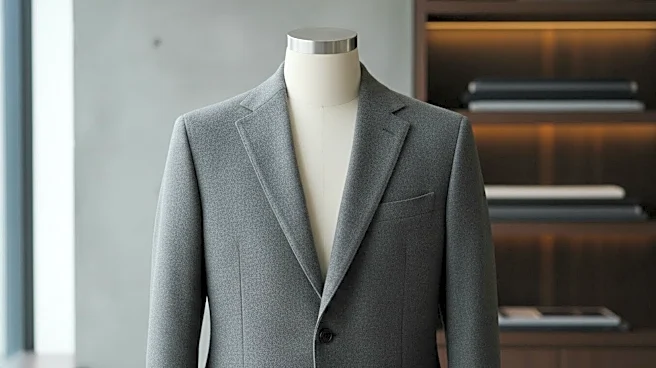
When you picture traditional tailoring, you might think of the structured, padded shoulders of a British suit or the sharp, powerful silhouette of an American executive's jacket. Danish tailoring, however, often leans into a philosophy known as “soft
tailoring.” Instead of building a rigid frame, this style is about drape and movement. It strips away heavy internal canvassing and thick shoulder pads, allowing the jacket to follow the natural lines of the body. The result is a garment that feels more like a comfortable, fluid layer than a suit of armor. The “architecture” isn't about imposing a shape but about showcasing the natural qualities of the fabric and the wearer's form. This approach prizes comfort, versatility, and an understated elegance that feels modern and unstuffy. It’s a quiet confidence that comes from precision without rigidity.
Wool’s Natural Superpower
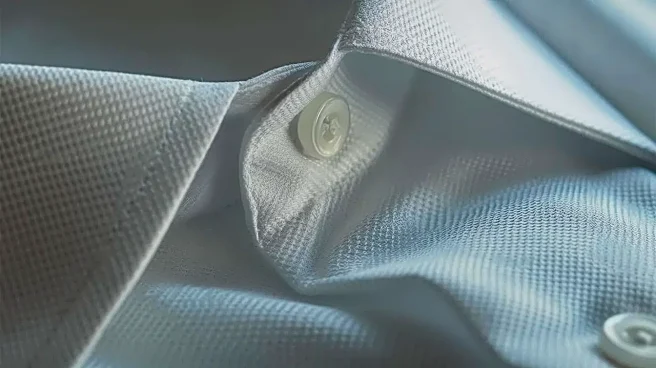
The magic of soft tailoring is only possible because of the fabric it so often employs: wool. A wool fiber is not a straight, dead thing; on a microscopic level, it has a natural crimp, like a tiny, coiled spring. This structure is wool's superpower. The millions of these spring-like fibers create pockets of air that provide insulation, but they also give the fabric its loft, resilience, and drape. It’s why a wool garment can resist wrinkles, spring back into shape after being compressed, and hang so beautifully. This natural elasticity and three-dimensional structure are what a soft-tailored jacket relies on to maintain its form without the help of heavy internal padding. The fabric itself is the architecture. It's designed to move, breathe, and settle back into its intended shape, all thanks to the inherent properties of the fibers themselves.
The Damage of Heat and Pressure
This brings us to the iron. Overpressing is the application of excessive heat and direct pressure to wool. When you do this, you are waging war on the wool fiber's natural structure. The intense, dry heat and weight of the iron can permanently flatten the microscopic crimp. Those natural springs are crushed, and they don't bounce back. The proteins in the wool fiber can even become denatured, a chemical change similar to cooking an egg—it's irreversible. This damage manifests as a visible, unattractive shine on the fabric's surface, which occurs because the flattened fibers now reflect light in a uniform, unnatural way. The fabric becomes lifeless, stiff, and loses its soft, full handle. The garment's ability to drape and move is compromised, and the very soul of its soft architecture is destroyed. What was once a fluid, elegant piece becomes a flat, sad shadow of its former self.
How to Preserve, Not Press
So, how do you remove wrinkles without ruining your investment? The answer is steam. Steaming is the preferred method for nearly all wool garments because it works with the fiber's natural properties instead of against them. The moist heat gently relaxes the wool fibers, allowing wrinkles to fall out without the damaging pressure of an iron. A simple handheld steamer is often all you need. For most light wrinkles, you can even just hang the garment in the bathroom while you take a hot shower; the ambient steam is often enough to refresh it. If you absolutely must use an iron, do so with extreme caution. Always use a pressing cloth—a separate piece of cotton fabric—as a barrier between the iron and the wool. Use the iron's steam setting on a low to medium temperature, and press lightly in an up-and-down motion rather than gliding the iron across the fabric. Never iron wool when it is dirty, as the heat can set stains permanently. By prioritizing gentle steaming and minimal pressing, you’re not just cleaning your clothes; you're acting as a custodian for the craftsmanship and natural beauty woven into the very fibers of the garment.