




The Cacophony Is the Point
One of the show's most distinct features is its use of overlapping dialogue. In scenes like the now-iconic Christmas episode, "Fishes," characters don't politely wait their turn to speak; they interrupt, talk over each other, and create a wall of sound
that is both naturalistic and deeply stressful. This technique, reminiscent of the films of Robert Altman, isn't just for realism. It serves a narrative purpose by creating sensory overload for the viewer, making them feel the anxiety and communication breakdown the characters are experiencing. The editorial team meticulously organizes these layers of simultaneous dialogue, ensuring that while the scene feels chaotic, key lines still cut through to punctuate the drama and guide the story. This controlled chaos ensures the audience feels the pressure of the moment, understanding that the dysfunction is a core part of the family's dynamic.
An Equation for Escalation
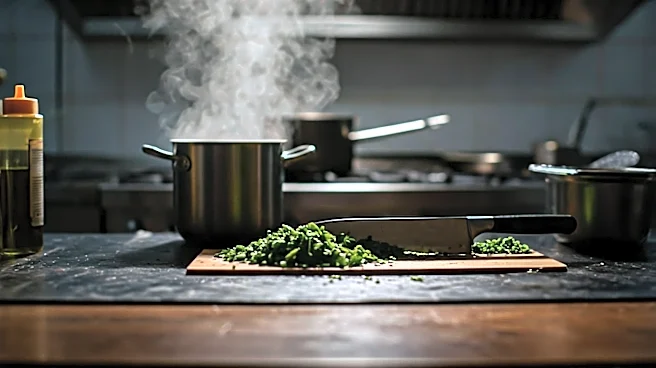
The writers of 'The Bear,' led by creator Christopher Storer, are masters of pacing. The infamous "Fishes" episode was described by its editor, Joanna Naugle, as a pot of water slowly coming to a boil before finally boiling over. The tension doesn't just explode; it builds through a series of smaller, calculated moments. A passive-aggressive comment here, a thrown fork there—each action is a variable in an equation of rising tension. The episode is structured to offer brief moments of comedic release, like cousins pitching a bad business idea, which only serve to make the subsequent return to the core conflict feel even more claustrophobic and intense. This deliberate rhythm, mixing calm with chaos, keeps the audience perpetually on edge, waiting for the inevitable climax.
Character-Driven Variables
The chaos in 'The Bear' is never generic; it's deeply rooted in character. Each person at the dinner table is a walking wound, carrying their own specific traumas, desires, and triggers. In "Fishes," Donna Berzatto's desperate need for appreciation is toxic fuel. Michael's frantic energy and Uncle Lee's provocative jabs are designed to collide. According to the writers, the goal is to put characters in situations where they least want to be, generating maximum drama. For someone like Carmy, who is in survival mode, the entire dinner is a minefield. The story isn't just about what's happening; it's about how these specific, deeply flawed individuals react to the pressure, revealing their histories and a blueprint for their future behavior. The writers ensure every outburst and every line of dialogue is an expression of who that person is at their core.
The Calculus of Quiet
Just as important as the noise is the silence that follows. The show strategically uses moments of quiet to heighten the impact of the chaos. After a barrage of shouting, a sudden cut to a character smoking alone outside offers a moment for both them and the audience to breathe. These pockets of stillness aren't just filler; they are the negative space in the composition, providing contrast and emphasizing the emotional toll of the preceding conflict. They illustrate isolation and, as the characters begin to find healthier ways of coping, a sense of calm. In the edit, these quiet beats are just as deliberately placed as the overlapping dialogue, giving weight to a meaningful look or a moment of silent pain, like the expression on Michael's face when he's alone. This balance ensures the emotional journey has peaks and valleys, making the entire experience more potent.