


Your Body Isn't a Budget Brand's Mannequin
The number one hurdle is fit. Budget-friendly brands often chase volume by designing for a generic, younger male physique. After 60, a man's body changes; shoulders may narrow, the waist can expand, and posture might shift. That trendy polo or slim-fit
chino is cut for a 25-year-old's frame, not for a man who has lived a full life. The result is clothing that’s tight in the stomach but baggy in the shoulders, or trousers that are uncomfortable when seated. Ill-fitting clothes, whether too tight or too loose, don't just feel bad—they make a man look defeated and less polished. This fit paradox is the first and most frustrating trap for shoppers.
The Trap of Trendy Over Timeless
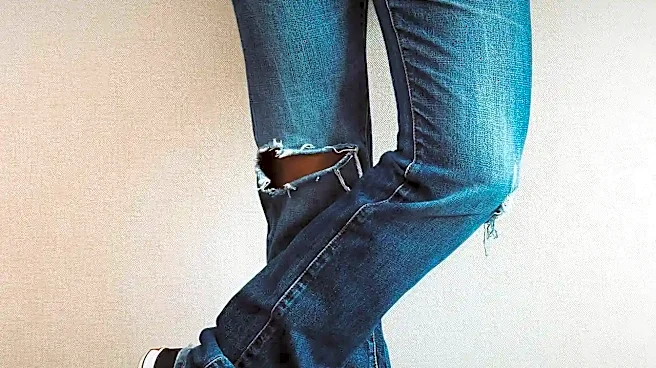
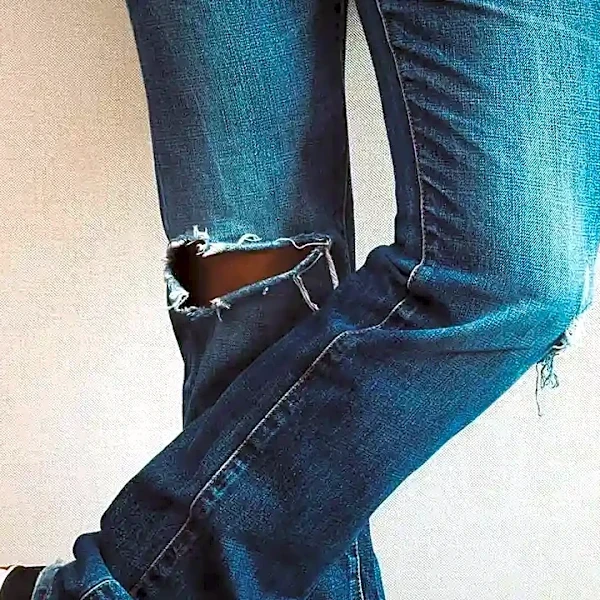
Fast fashion and budget clothing lines thrive on fleeting trends. The issue is, men in their 60s aren't typically looking for the latest distressed jeans or loud graphic tees. At this stage, style gravitates toward timelessness, quality, and dignity. Budget brands, however, often use lower-grade materials and construction methods to keep prices down. A cheap fabric that might look passable on a teenager often looks overtly cheap on a more mature man. The goal should be to invest in quality over quantity, focusing on classic pieces in durable fabrics like good cotton, wool, and leather. These items might have a higher initial cost but offer better value and a more sophisticated appearance over time.
You're an Invisible Customer
Walk through most mainstream clothing stores, and you’ll see two target customers: the young, trend-focused shopper and the high-end luxury buyer. Men in their 60s looking for affordable, stylish, and age-appropriate clothing often fall into a marketing black hole. Brands are either trying to sell them something designed for their kids or a suit that costs a month's mortgage. This retail invisibility means that finding stores that consistently cater to this demographic's specific needs—good fit, classic style, and reasonable prices—requires more effort and knowledge than it should. You’re not imagining it; the industry often overlooks you.
The New Psychology of Getting Dressed
For many men, the first 60 years of life involved a uniform of some sort, whether a business suit or a work-specific outfit. Retirement or a career shift can mark the first time a man has to truly define his personal style. This isn't just about buying clothes; it's about building a new identity. The frustration of shopping is often compounded by this psychological shift. The goal is no longer just to look appropriate for the office but to feel comfortable and confident in your own skin. This transition requires a new mindset: moving from dressing for others to dressing for yourself, which can be a surprisingly daunting task.
How to Shop Smarter, Not Harder
Escaping the budget fashion trap is possible with a strategic approach. First, prioritize fit above all else. Find brands known for classic or relaxed cuts and learn the name of a good tailor—small alterations make a world of difference. Second, become a fabric snob. Stick to natural, breathable materials. A simple, well-made cotton t-shirt or a pair of quality chinos in a neutral color like navy, grey, or khaki will always look better than a trendy polyester piece. Finally, build a core wardrobe of versatile, high-quality basics: dark-wash jeans with a straight cut, a few classic polo shirts, a well-fitting casual blazer, and clean leather shoes or sneakers. These pieces can be mixed and matched, ensuring you always look put-together.