




The Anatomy of 80s Power
The 1980s power suit was the undisputed uniform for the ambitious woman. As women entered the corporate workforce in greater numbers, they sought a visual language to command respect in male-dominated spaces. Designers like Giorgio Armani, Thierry Mugler,
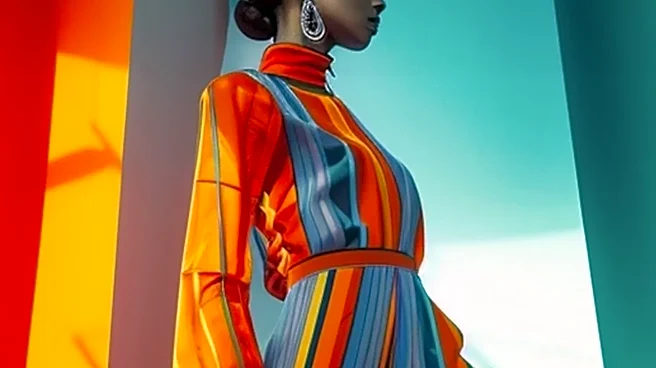
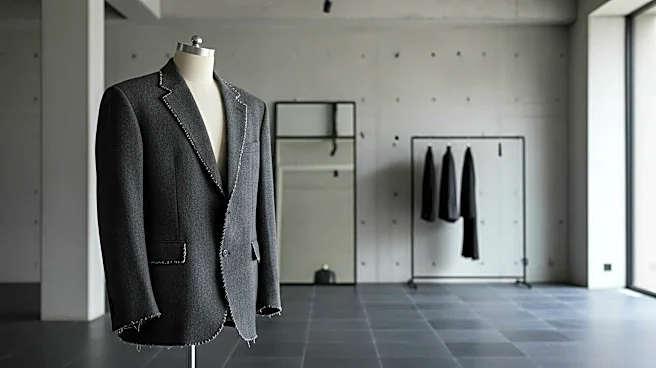
and Claude Montana delivered the answer: the power suit. Its key feature was the exaggerated shoulder, created with substantial shoulder pads, which visually broadened a woman's frame. Paired with tailored jackets, sharp lapels, and bold colors, the silhouette was architectural and assertive. This wasn't just clothing; it was a tool. The message was clear: I am here, I am competent, and you will take me seriously.
A Silhouette from the 1940s
To find the origin of this formidable silhouette, one has to turn the clock back 40 years. The 1940s, a decade defined by World War II, produced a strikingly similar look. Due to fabric rationing and the militarization of society, women's fashion became more practical and angular. The style featured squared, padded shoulders, narrow hips, and knee-length skirts—a stark contrast to the softer looks that preceded it. Hollywood costume designers, like Adrian, famously amplified this look on screen for stars like Joan Crawford, whose signature broad-shouldered look in films like "Mildred Pierce" became iconic. This wasn't for the boardroom, but for a world in turmoil.
Rosie the Riveter's New Uniform
The 1940s silhouette was born from necessity. With millions of men at war, women entered factories and offices in unprecedented numbers. Their clothing had to be functional and durable. The broad-shouldered, masculine-inspired cut wasn't just a style choice; it reflected a new reality. The look borrowed from military uniforms, projecting a sense of duty and seriousness. It was fashion as a response to global crisis, practical and devoid of the frills of peacetime. For women taking on new roles and responsibilities, this utilitarian look provided a sense of strength and capability.
Armor for the Corporate Battlefield
Fast-forward to the 1980s. The war was no longer on a global battlefield but in the fiercely competitive corporate world. Women were fighting for promotions, equal pay, and a seat at the table. The book "Dress for Success" had become a bible for a generation of professionals who understood that image was a form of power. The 1940s silhouette was a perfect fit for this new context. The shoulder pads that had once symbolized wartime utility were reborn as a symbol of corporate ambition. They created an imposing, authoritative figure, helping women project confidence and occupy space in environments that weren't always welcoming.
Two Eras, One Shared Purpose
The parallel is uncanny. In both the 1940s and the 1980s, significant societal shifts pushed women into new, challenging roles traditionally held by men. Both generations needed a way to signal their strength, competence, and authority through their appearance. Fashion provided the armor. The 1940s woman wore her broad shoulders to build tanks and run offices during wartime. The 1980s woman wore hers to conquer the trading floor and the corner office. The silhouette wasn't just borrowed; it was re-contextualized for a new kind of fight, proving that some fashion statements are powerful enough to echo across generations.