


A Festival Built on Buzz
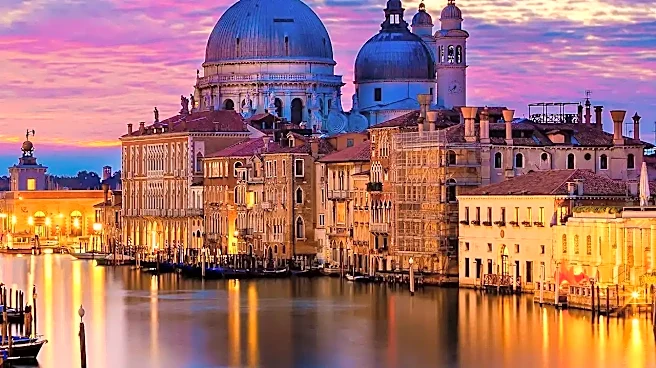
The Venice Film Festival, the world’s oldest, has a long and storied history of launching future classics and generating controversy, sometimes in the same breath. From its origins under Mussolini's government to its modern-day status as a major Oscar
bellwether, the festival has always thrived on a blend of prestige and spectacle. In recent years, directors like Roman Polanski have been included despite public outcry, and films with deeply challenging subject matter often use the Lido as a launchpad. This year, geopolitical tensions surrounded the inclusion of the film “DAU,” which was questioned by Ukrainian officials over its alleged links to the Russian state, a claim the festival director denied. It’s a place where art and conflict are regular bedfellows.
Art That Pokes vs. Art That Punches
There's a world of difference between a film that challenges its audience and one that simply assaults them for a reaction. Meaningful provocation uses discomfort to ask a question, to force a new perspective, or to reveal an uncomfortable truth about society or ourselves. Think of Gillo Pontecorvo's "The Battle of Algiers," which used docudrama techniques to create a blistering and politically charged examination of colonialism that was briefly banned in France. On the other hand, empty shock often feels like a tantrum. It's the cinematic equivalent of a loud noise in a quiet room, designed to do little more than make you jump. It prioritizes the immediate jolt over any lasting thematic resonance, becoming a spectacle of surface-level transgression without substance.
The Outrage Economy of the Film Festival
Film festivals, for all their artistic ideals, are also part of a media ecosystem that runs on clicks, buzz, and viral moments. A film that prompts a dozen viewers to flee for the exits is guaranteed more immediate press coverage than a quiet, universally admired drama. This creates a strange incentive. While festival programmers are seeking out visionary works, the 'scandal' of a premiere can sometimes overshadow the film itself. The conversation shifts from "what did the film say?" to "can you believe what they showed?" This dynamic can give a veneer of artistic importance to films that are merely coasting on shock value, mistaking a visceral reaction for a meaningful one.
Case Study: The Shock of the New (and Old)
This year, the festival is abuzz with talk of several intense films, from Alex Gibney's nearly four-hour documentary on Elon Musk to a slate of features from respected and often controversial auteurs. But the debate isn't new. In past years, films like Luca Guadagnino's 2024 feature "Queer" were described as having numerous and "quite scandalous" sex scenes, while Brady Corbet's epic "The Brutalist" earned both a massive standing ovation and a reputation for its demanding 215-minute runtime. Some viewers found Corbet's previous film, "Vox Lux," to be an underseen masterpiece, while others walked out. The reaction is often in the eye of the beholder; one person's challenging masterpiece is another's self-indulgent slog. The key is whether the director's choices, however extreme, serve a clear artistic purpose or feel like a game played with the audience's endurance.