





The white shirt is a timeless wardrobe hero, but not all are created equal. Beyond the price tag lie subtle-yet-crucial details that separate a shirt built to last from one destined to disappoint. Here’s what to look for.
Start With the Fabric
The first test of quality is touch.
A superior shirt begins with superior material, typically long-staple cotton like Egyptian or Supima. These longer fibers create a yarn that is not only stronger and more durable but also smoother and softer against the skin. Look for a dense, supple feel without any imperfections. Weaves like poplin, twill, and pinpoint are classic choices, each offering a different texture and weight. Poplin is smooth and crisp, while twill has a subtle diagonal texture and is generally more opaque and wrinkle-resistant. A quality fabric will often have a subtle, natural luster, a result of the fine fibers and tight weave, not a synthetic sheen.
Examine the Stitching
The density and neatness of the stitching are clear indicators of a shirt's craftsmanship. High-quality shirts feature more stitches per inch, creating stronger, cleaner seams that are less likely to pucker or pull over time. Many premium shirts use single-needle stitching, a more time-consuming process where a single row of stitching is visible on the outside, creating a clean, flat, and exceptionally durable seam. In contrast, double-needle stitching, which shows two parallel rows, is faster and more common in mass production but can feel rougher on the inside. Flip the shirt inside out to check the side seams; a French seam, where the raw edge is tucked in and sewn twice, is a hallmark of quality construction that prevents fraying.
Check the Collar's Construction
A cheap collar feels flimsy and quickly loses its shape. A well-made collar should feel structured but not stiff like cardboard. Quality dress shirts use a substantial interlining—the material sewn between the fabric layers—to give the collar its form and ensure it curves naturally around the neck. When you bend the collar point, it should spring back resiliently. Another premium detail is removable collar stays. These small plastic or metal tabs slide into pockets on the underside of the collar points, keeping them sharp and straight. Their removability is key, as it allows you to take them out before washing, preventing the collar from warping.
Don't Overlook the Buttons
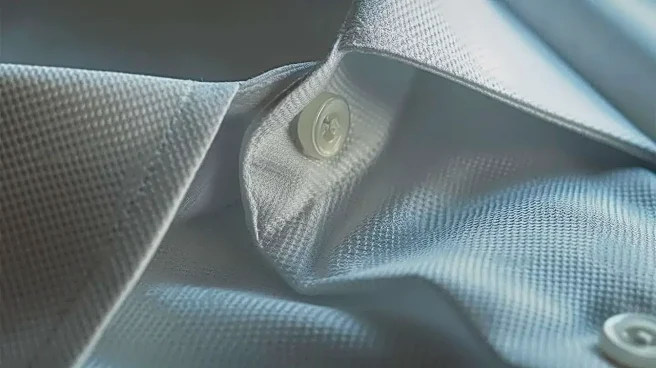
This small detail makes a big difference. Mass-produced shirts almost always use plastic buttons, which can crack, fade, and deteriorate over time. A hallmark of a high-end shirt is the use of mother-of-pearl buttons. Sourced from the inner lining of mollusk shells, these buttons are significantly more durable and possess a unique, iridescent depth of color that plastic can't replicate. To spot the difference, tap the button against your tooth or a hard surface; mother-of-pearl will make a sharper, higher-pitched sound and feel cool to the touch. Because it's a natural material, each button will have slight variations in its color and pattern.
Inspect the Yoke
The yoke is the fabric panel that runs across the top of the shoulders. While most shirts have a one-piece yoke, a sign of superior tailoring is the split yoke. This construction uses two separate pieces of fabric joined with a seam down the middle. This allows the tailor to cut each side independently, providing a more anatomical and comfortable fit across the shoulders, especially for those with asymmetry. It allows for greater range of motion and helps the shirt drape more naturally across the back. While less critical on a solid white shirt, on a patterned shirt, a split yoke allows for precise pattern matching at the seam, a clear sign of meticulous craftsmanship.
Look for Reinforcements
Two final, often-missed details signal a shirt built for longevity. First, check the bottom of the side seams. Higher-quality shirts often feature a small, triangular piece of fabric called a gusset. This tiny reinforcement strengthens a high-stress point, preventing the seam from tearing with movement and wear. Second, look at where the sleeve is attached to the body under the arm. On many premium shirts, you'll find an offset seam, where the seams don't meet at a single point. This construction technique provides a better fit that follows the natural angle of your arm, offering greater comfort and mobility.