
Understanding the 'Compromised Barrier'
Think of your skin's outermost layer, the stratum corneum, as a brick-and-mortar wall. The skin cells are the bricks, and a mix of lipids—like ceramides and fatty acids—acts as the mortar, holding it all together.
This barrier has two critical jobs: keep water in and keep irritants out. Winter is a two-front war on this structure. Cold, low-humidity outdoor air pulls moisture directly from your skin, while dry indoor heating does the exact same thing. This constant flip-flopping between environments weakens the lipid mortar, creating microscopic cracks. The result is a 'compromised' or 'damaged' barrier, leading to symptoms like redness, flakiness, itching, and a persistent feeling of tightness.
The 'Sealant, Not Hydrator' Problem
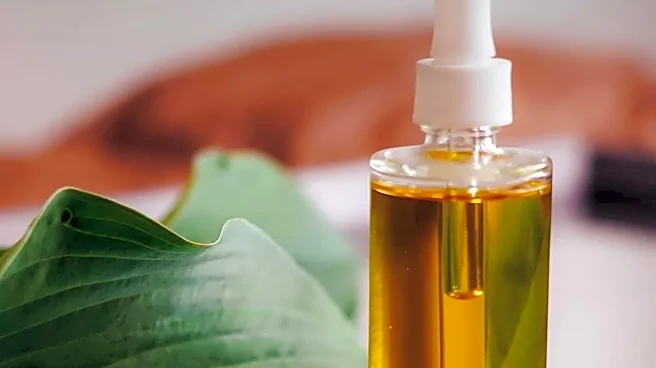
This is where the misunderstanding about face oils begins. Most natural oils are primarily occlusive and emollient. This means they are brilliant at softening the skin's surface (emollient) and forming a protective seal to prevent moisture from escaping (occlusive). Think of an oil as a winter coat for your skincare. It expertly protects what's underneath. However, an oil itself contains very little to no water. If your skin is already dehydrated—meaning it lacks water—and you apply oil directly onto a dry face, you are essentially just sealing in the dryness. It's like putting a lid on an empty jar. For an oil to be effective, there needs to be hydration for it to lock in. Without that underlying moisture, you're not solving the root problem of a thirsty, compromised barrier.
When Good Oils Go Wrong
Furthermore, not all oils are created equal, and some can even be irritating to an already-stressed barrier. Certain oils with strong fragrance compounds, like lavender or tea tree oil, can be potential allergens for sensitive skin. The composition of fatty acids also matters. Some oils high in oleic acid can be disruptive to the barrier for certain skin types, whereas oils rich in linoleic acid can be more supportive. It's also crucial to consider quality; cold-pressed, unrefined oils retain more of their beneficial compounds compared to refined versions, which are often stripped of their nutrients. When your barrier is damaged, its defenses are down, making it more permeable and reactive to ingredients that might not normally cause an issue.
What Your Thirsty Skin Actually Craves
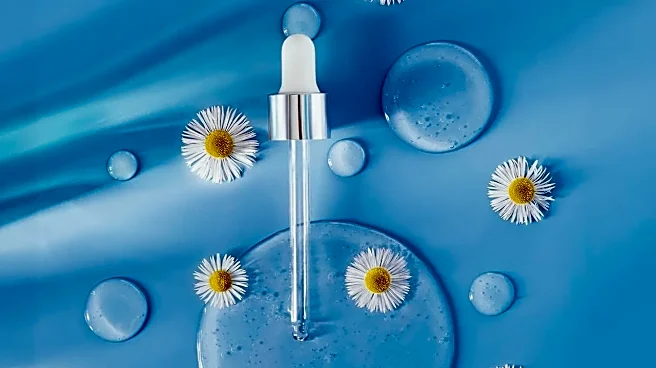
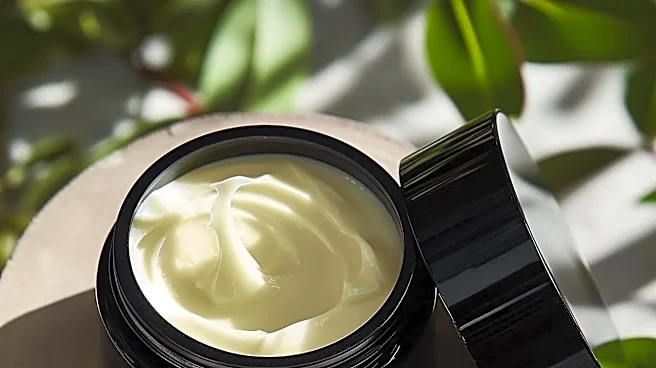
So, what should you do? The key is to hydrate first, then seal. Before you even think about oil, give your skin what it's truly lacking: water and the ingredients that help it hold onto water. Look for products with humectants, which are ingredients that draw moisture into the skin. Hyaluronic acid and glycerin are the most well-known and effective humectants. To truly repair the 'mortar' of your skin barrier, you also need ingredients that replenish its natural lipid structure. Ceramides are non-negotiable here, as they make up over 50% of the barrier's composition. A smart winter routine involves applying a hydrating serum with hyaluronic acid or glycerin to damp skin, followed by a moisturizer rich in ceramides, and then—as the final step—pressing in a few drops of a high-quality, non-irritating face oil to lock everything in.