

The Art of Production Triage
Weeks before the trucks roll onto a muddy festival field, the production manager begins the brutal process of triage. A two-hour arena show is a finely tuned machine with massive video walls, intricate moving set pieces, and a sprawling gear list. The
festival version is an entirely different beast. The first thing to go is time. A 2.5-hour narrative arc has to be compressed into a 60-minute, high-impact set. This means killing darlings—fan-favorite deep cuts, indulgent solos, and slower moments are often the first casualties. The goal is to create a setlist that delivers the biggest emotional punch in the shortest time. Then comes the production itself. That giant, custom-built video screen? Gone. The intricate, automated lighting rig that descends from the ceiling? Not happening. The production manager's job, in consultation with the artist, is to identify the absolute core of the show's identity and figure out how to translate it with a fraction of the tools. It’s a process that relies heavily on detailed advance work, poring over festival-provided stage plots, power availability, and rigging points to see what’s even possible.
The Gear Gauntlet and Load-In Puzzle
In an arena, the tour owns the day. Trucks arrive, the crew builds their world from the ground up, and everything is exactly where it’s supposed to be. At a festival, a touring production is a guest in someone else’s house, and they have an hour, maybe less, to move in. Most festivals operate on a rolling schedule, with one band loading off while the next is frantically setting up behind them. This compressed timeframe forces crews to rely on the festival's 'house' gear for lighting and sound, which is a gamble. The production manager must send incredibly detailed documents, known as riders and stage plots, to the festival organizers weeks in advance. These documents specify everything from where the drum riser goes to how many power outlets are needed. But even with the best planning, surprises are inevitable. Maybe the stage is smaller than expected, or a crucial piece of house equipment isn't working. The crew has to adapt on the fly, solving a high-stakes logistical puzzle in real time with thousands of fans watching.
Light and Sound, Reimagined for Daylight
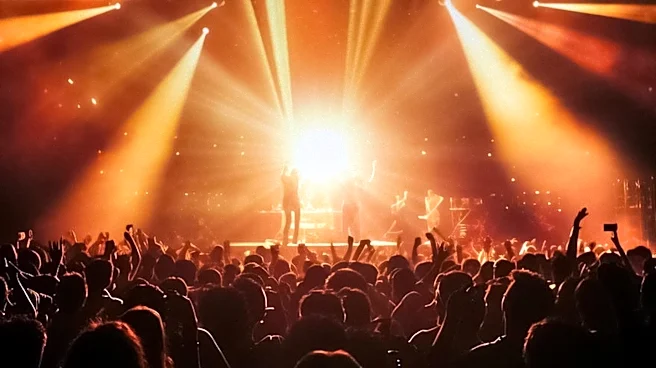
The lighting designer (LD) and front-of-house (FOH) sound engineer face their own unique set of festival challenges. An arena show happens in a controlled black box, where light and sound can be sculpted with precision. A festival set often happens in broad daylight, rendering much of a typical light show invisible. The LD has to pivot from creating subtle, atmospheric looks to programming bold, high-impact effects that can compete with the sun. They often have to pre-program as much as possible, then frantically adapt their show file to the festival’s lighting rig during a very short changeover window. The FOH engineer, meanwhile, loses the predictable acoustics of an arena. They’re mixing in an open field, often for the first time on that specific sound system, with little to no soundcheck. Sometimes, all they get is a 'line check,' where they quickly tap each microphone to ensure it's working, without ever hearing the full band play. They must build a mix from scratch as the first song starts, fighting weather conditions and strict noise level limits imposed by the festival.
The Unsung Heroes of the Show
Ultimately, the pivot from a sprawling arena tour to a tight festival set is a testament to the skill and adaptability of the touring crew. These are the production managers, stage managers, and technicians who spend their days in a state of controlled chaos. They work in extreme weather, solve unexpected problems, and run on adrenaline and too little sleep. While the band is the main event, the crew operates as a Special Forces unit, executing a complex mission under immense pressure. They translate the epic vision of an arena show into a concentrated blast of festival energy, ensuring that even with a fraction of the production, the soul of the performance remains intact. Their work is a collaborative effort, requiring seamless communication and an ability to anticipate problems before they happen. It’s a high-stress, often thankless job that is fundamental to the entire live music ecosystem.