

Beyond the Visual
A great minimalist outfit works because it's intentional. When you stick to a neutral color palette—beiges, blacks, whites, and grays—the eye naturally seeks other points of interest. Without the distraction of bold colors or loud patterns, the very fabric
of your clothing takes center stage. Texture provides the depth and variation that color otherwise would. It's a language that speaks through touch and feel, not just sight. Our brains are wired to react to texture; a soft cashmere can evoke a sense of comfort, while smooth leather can signal confidence and polish. By mixing these tactile signals, you’re creating a richer, more complex narrative. A simple black-on-black outfit can go from flat to fascinating when a ribbed knit is paired with structured trousers, adding dimension that makes the look feel considered and complete.
The Art of the Perfect Pair
The key to mastering textural contrast is to think in opposites. Balance heavy fabrics with lighter ones, and rough with smooth. This juxtaposition is what creates visual harmony and stops an outfit from feeling one-note. Think about some classic, can't-miss combinations. The effortless cool of a rugged denim jacket thrown over a slinky silk or satin camisole is a perfect example. The toughness of leather finds its perfect partner in the softness of cotton or the cozy comfort of a chunky knit sweater. During cooler months, pairing a structured wool coat with a flowy silk blouse underneath creates a look that is both polished and visually exciting. The goal is to let each piece's inherent texture shine by giving it a contrasting partner to play against.
Building a Textured Wardrobe
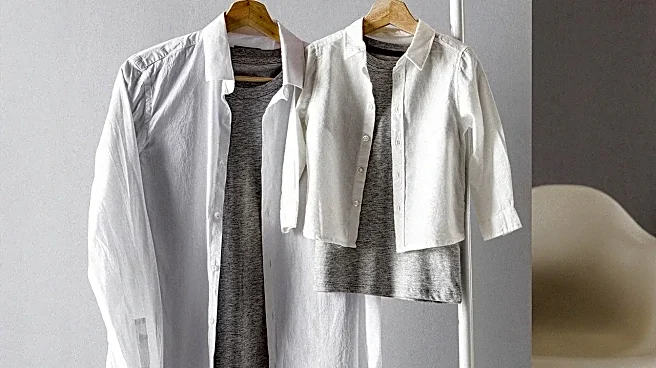
You don't need a massive wardrobe to play with texture; you just need the right pieces. Move beyond basic cotton and think about materials that offer a distinct feel. Start by ensuring you have a few core textural categories covered. Look for soft, cozy knits like cashmere, merino wool, or even a chunky ribbed cotton. Incorporate something smooth and fluid, like a silk blouse or satin slip skirt. A piece of structured, durable material like raw denim or a classic leather jacket provides a 'hard' texture to balance the 'soft' ones. Finally, don't overlook the earthy, breathable feel of linen, which pairs beautifully with heavier fabrics like wool or denim and adds a relaxed, lived-in aesthetic to any outfit.
Don’t Forget Accessories
If you're new to mixing textures, accessories are the perfect low-stakes entry point. They can provide that crucial point of contrast without requiring a full-on commitment. A simple outfit of a cotton t-shirt and jeans is instantly elevated by a structured leather belt or a suede bag. A lightweight silk scarf can soften the look of a heavy wool coat, adding a touch of elegance and balancing its bulk. Even your jewelry plays a role. The cool, hard finish of a metal watch or a chain necklace can provide a subtle but effective contrast against a soft knit sweater. These small details punch well above their weight, helping to complete the sensory story of your outfit.