






The View From the Back Row
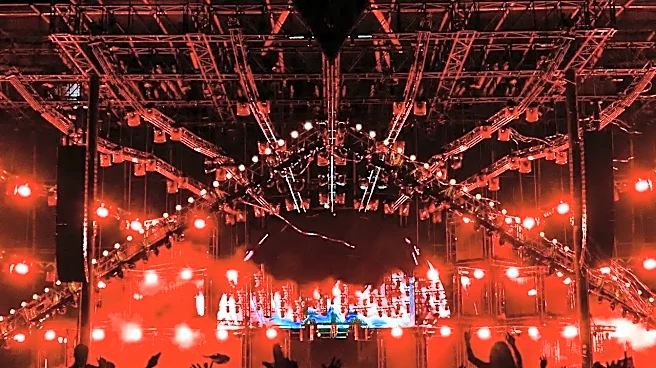
In a stadium, distance is the enemy of detail. From hundreds of feet away, delicate lace or intricate patterns dissolve into a blur. This is why stage fashion prioritizes silhouette and scale above all else. Designers and stylists collaborate to create
bold, graphic shapes that are instantly recognizable. Think of an artist's signature look: Beyoncé's powerful bodysuits, Billie Eilish's oversized co-ords, or Harry Styles' flared trousers. These aren't just fashion choices; they are strategic decisions to create a legible human figure on a massive stage. The goal is to craft a shape that pops against the complex background of lights, screens, and dancers. Even for artists with a more understated style, the principle holds. The outfit must stand out and not disappear into the vastness of the arena.
A Symphony of Shine and Color
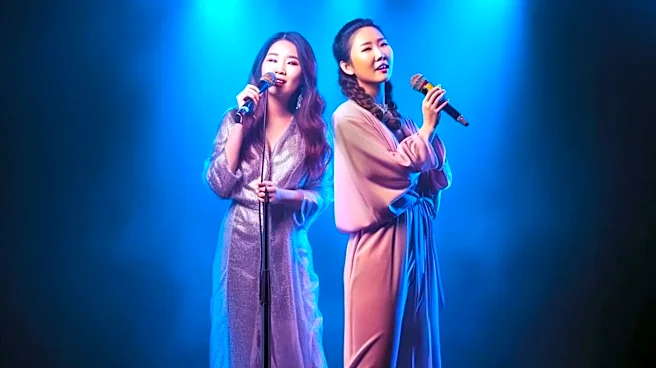
Stage lighting is both a tool and a challenge. What looks like a vibrant red in daylight can wash out completely under powerful LEDs, while a simple black outfit can vanish into the shadows. Designers must select fabrics that interact dramatically and predictably with light. This is where sequins, crystals, metallics, and iridescent materials come into play. These surfaces are chosen not just for glamour but for their ability to catch and scatter light across the entire venue, ensuring the performer remains the focal point. For Taylor Swift's "Eras Tour," a midnight blue Oscar de la Renta bodysuit was hand-embroidered with over 5,300 beads and crystals to mimic a starry sky, creating a dynamic visual that changed with every movement. Color strategy is also key; palettes are chosen to contrast with the stage and lighting design, making the artist visually leap forward.
Costumes as Character and Story
Modern concert tours are often built around a narrative or an “era,” and costumes are the primary vehicle for that storytelling. An artist’s wardrobe helps define the theme of the show, creating a distinct visual identity for each chapter of the performance. Taylor Swift's tour is a literal journey through her musical eras, with each segment defined by a specific aesthetic, from the fairytale ballgowns of "Speak Now" to the edgy, dark metallics of "Reputation." Similarly, Beyoncé's "Renaissance" tour used fashion to explore themes of Afrofuturism, disco, and ballroom culture, with custom looks from a host of designers reinforcing the album's message. These outfits aren't just clothes; they are uniforms for the characters the artists embody on stage, helping the audience connect with the story being told.
The Athlete's Wardrobe
An arena performance is an athletic event. A stage costume must withstand hours of high-energy choreography, sweat, and quick changes. Functionality is just as important as form. Fabrics are chosen for durability and movement, with materials like spandex, Lycra, and stretch-infused blends being essential for dance-heavy shows. Comfort is also a major consideration; breathable fabrics and soft linings are used to prevent irritation and overheating under intense stage lights. Designers must engineer garments that are both visually stunning and practical, allowing performers to move without restriction. Shoes, in particular, must be carefully designed to provide support for complex choreography while completing the look.
The Magic of the Quick Change
Some of the most dazzling moments in a concert are the instantaneous costume transformations. These aren't magic; they're feats of clever engineering. Quick-change costumes rely on hidden closures like magnets, industrial-strength snaps, and Velcro instead of slow buttons and zippers. Often, multiple outfits are layered, with the outermost garment designed to be ripped away by a dancer or the artist themselves to reveal a new look underneath. For example, a dress might be held together with carefully rigged threads that break on command. Each change is choreographed down to the second and executed by a skilled team of dressers waiting in the wings, turning a logistical challenge into a seamless piece of stagecraft.