





The Reign of the 'Clean Girl'
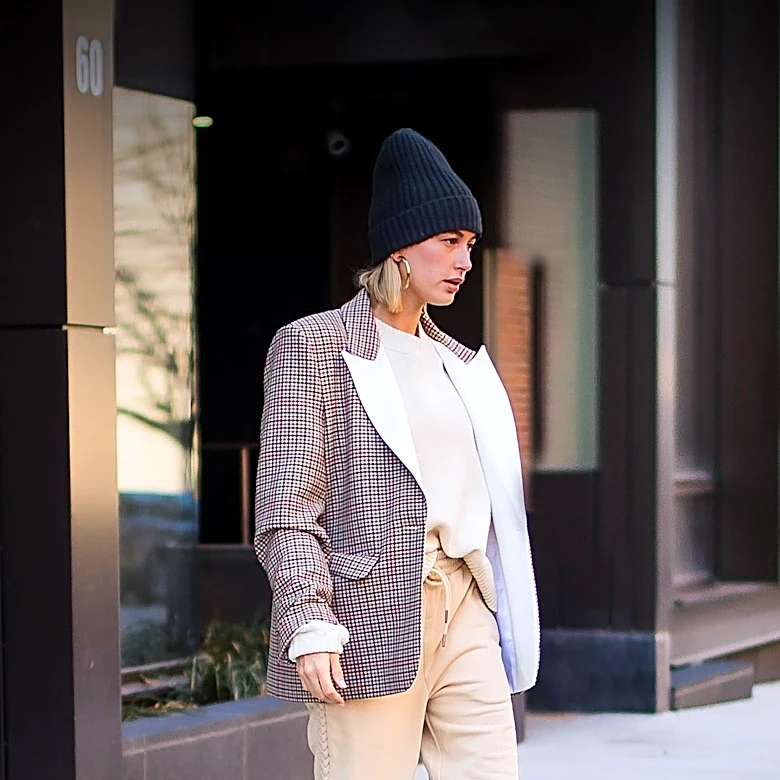
You know the look. It’s the aesthetic that quietly took over social media and then the world. Emerging around 2021, the 'Clean Girl' is the picture of polished, minimal, and seemingly effortless perfection. The uniform consists of a tightly pulled-back
bun, 'no-makeup' makeup featuring glossy lips and glowing skin, and a wardrobe of neutral-toned basics, from crisp white tees to coordinated athleisure sets. Accessorized with simple gold hoops, the look suggests a hyper-manicured and disciplined lifestyle, filled with pilates classes, green juices, and extensive skincare routines. Popularized by influencers and celebrities like Hailey Bieber, it became the visual shorthand for wellness and having your life completely together.
The Maximalist Moment That Almost Was
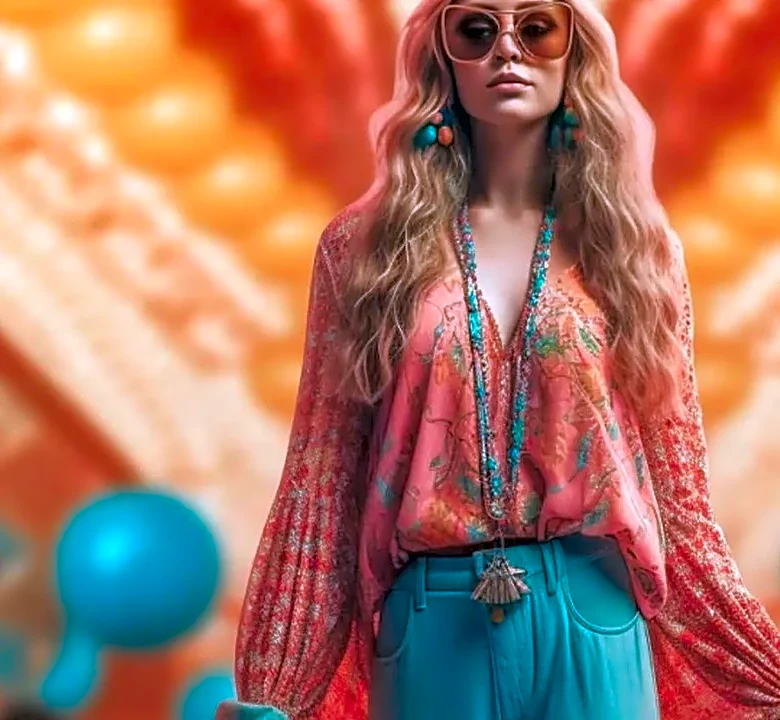
Before this era of quiet luxury, fashion was on a completely different trajectory. The late 2010s were a riot of color, pattern, and personality. The burgeoning trend was 'dopamine dressing'—the idea of using vibrant, mood-boosting colors and bold silhouettes to spark joy. Think hot pinks, electric oranges, clashing prints, and over-the-top accessories. It was a direct rebellion against the beige minimalism of the previous decade. This maximalist energy was also fueled by a Y2K revival that celebrated glitter, low-rise jeans, and a more-is-more philosophy. The stage was set for the 2020s to be loud, chaotic, and unapologetically extra.
The Great Reset of 2020
Then, the world shut down. The COVID-19 pandemic acted as a hard reset for culture and, by extension, fashion. As people were confined to their homes, the need for performative, look-at-me outfits evaporated. Comfort became king, and the focus shifted from external validation to internal well-being. Some early reports from the fall/winter 2020 collections, shown just as the pandemic was taking hold, already hinted at a turn towards practicality and restraint, away from excess. The collective anxiety and uncertainty of the moment made the exuberant chaos of maximalism feel out of touch. Instead, people sought control and calm in a world that offered neither. This created the perfect psychological breeding ground for a new, more subdued aesthetic.
TikTok and the Rise of Attainable Perfection
As life moved online, TikTok became the decade's defining cultural force. The 'Clean Girl' aesthetic was tailor-made for the platform. Its focus on routines—morning rituals, multi-step skincare, detailed hair-smoothing techniques—was perfect for short-form video. It presented an ideal that felt both aspirational and, crucially, achievable. Unlike runway maximalism, which requires a certain boldness, the 'Clean Girl' look could be replicated with a few key products and a consistent routine. For a generation dealing with immense uncertainty, the aesthetic offered a blueprint for control. It wasn't just about looking clean; it was about feeling in command of your life, one organized step at a time.
Why Simplicity Won the Decade
Ultimately, the pendulum swung away from the impending maximalist party and toward sanitized minimalism because our needs changed. In the face of global instability, the 'Clean Girl' aesthetic provided a sense of order, hygiene, and calm. The pared-back, polished look felt like a visual anchor in a sea of chaos. It was less about making a statement to the world and more about curating a personal sense of peace. While dopamine dressing was about projecting joy outward, the 'Clean Girl' was about cultivating tranquility inward. It was the right trend at the right time, a quiet response to a very loud world.