


The Illusion of an Unbroken Line
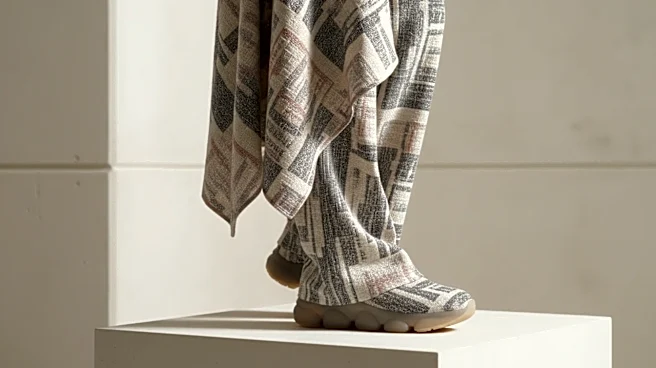
The core 'trick' isn't magic, but a masterful illusion. The goal is to create a long, uninterrupted vertical line that flows from your waist or hip down to the tip of your toe. When shoes are a contrasting color to your pants or legs, they create a horizontal
break, visually shortening the leg line and calling attention to the footwear. By eliminating that break, the eye travels smoothly down your silhouette, making your legs appear longer and the shoes less of a focal point. The footwear becomes an elegant extension of the outfit, rather than a comfortable but clunky afterthought.
Mastering the Monochromatic Match
The easiest way to achieve this seamless look is by matching the color of your shoes to your pants. Think black trousers with black loafers, navy jeans with navy sneakers, or tan pants with tan boots. You don't need an exact color replica; staying within the same color family is often enough to create the effect. This technique is especially powerful with dark colors, which are naturally slimming and elongating. When wearing a skirt or dress with bare legs, the same principle applies: choosing a shoe in a color close to your own skin tone—often called a 'nude' shoe—creates that same continuous line and makes the leg appear longer.
Silhouette and Shape Matter, Too
Beyond color, the shape of the shoe plays a crucial role. A shoe with a low-cut vamp (the part that covers the top of your foot) exposes more skin and can help lengthen the leg's appearance, especially with skirts and dresses. A pointed toe has a similar elongating effect, drawing the eye forward and down. When pairing with wider pant styles like flares or bootcuts, a pointed toe peeking out from the hem is a classic stylist's choice. Conversely, avoid ankle straps in a contrasting color, as they create a distinct horizontal line that 'cuts' the ankle and shortens the leg. The exception is an ankle strap in a nude shade that blends with your skin.
Balancing Weight and Proportions
The final piece of the puzzle is matching the 'visual weight' of your shoe to your outfit. Heavy, chunky fabrics like thick wool or denim can handle a more substantial shoe, like a lug-sole loafer or a sturdy boot. Lighter fabrics, like linen or silk, often look better with more delicate footwear to maintain a sense of balance. Another popular approach, sometimes called the 'sandwich method', involves matching your shoes to the color of your top. This creates a pleasing visual symmetry, with your pants or skirt acting as the 'filling'. By framing the outfit with coordinated colors at the top and bottom, you create a look that feels intentional, polished, and effortlessly complete.