


The City Itself Is the Moodboard
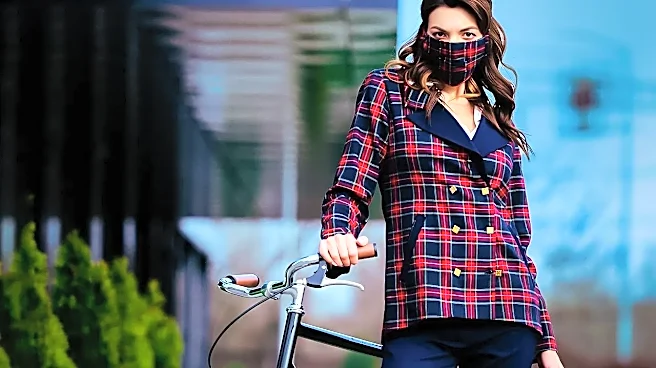
You cannot understand Copenhagen’s fashion without understanding its streets. This is a city built for bicycles, not motorcades. The daily commute is an active one, and the clothing must accommodate it. This fundamental reality shapes the entire design
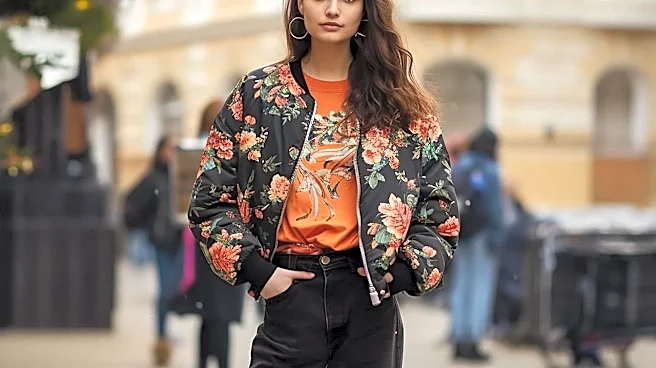
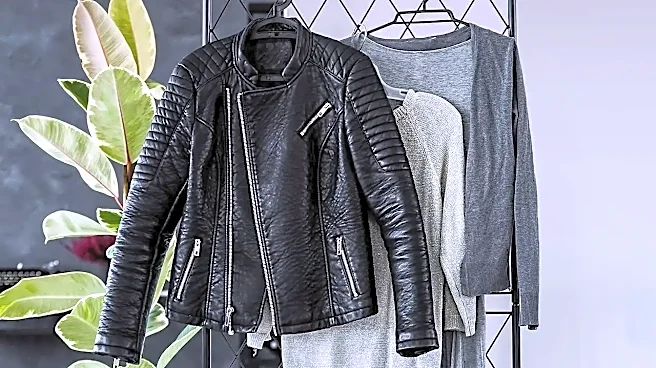
ethos. Unlike the stiletto-clad, car-service-dependent attendees of Paris or Milan, the Copenhagen fashion set navigates the city on two wheels, over cobblestones, and often under unpredictable skies. This isn't just a quaint detail; it's the core design brief. Clothes must be functional enough to pedal in, yet stylish enough to make a statement upon arrival. This philosophy was on full display during the recent Spring/Summer 2027 shows, where practicality and personality went hand-in-hand. The street style, long considered a main event, featured thoughtful layering, with lightweight jackets and knits tied around the waist, ready for a sudden chill.
Fluid Silhouettes and Smart Fabrics
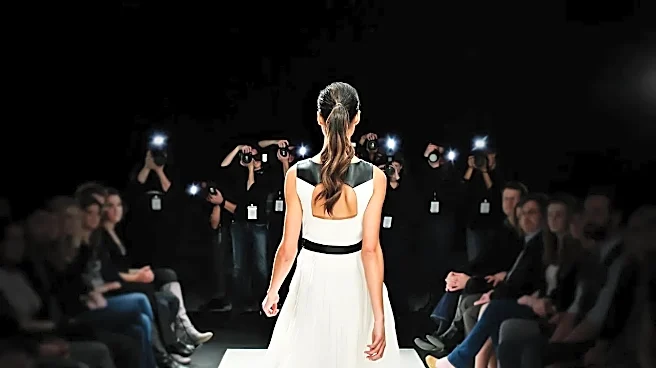
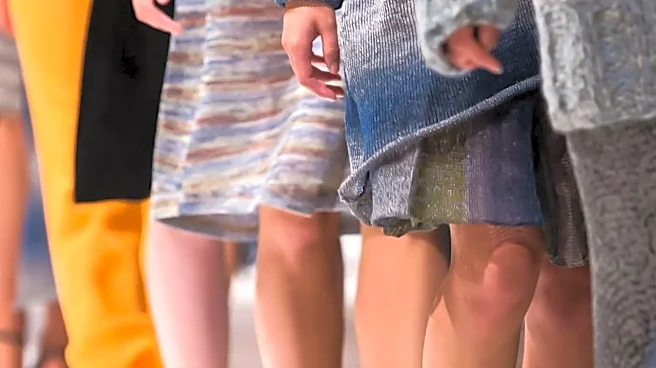
The mandate for movement translates directly into the shapes and materials seen on the runways. While the old stereotype of Scandinavian design was rigid minimalism, the new guard is all about expressive ease. Designers consistently favor silhouettes that don't restrict the body. Think less body-con, more breezy. During the SS27 shows, brands like OpéraSPORT showcased this with slip dresses, cascading frills, and even sporty jersey tops paired with sculptural bottoms—looks that offer freedom without sacrificing form. The fabrics are just as important. You'll find an abundance of natural, breathable materials like wool and linen, but also recycled fibers and innovative textiles that are durable and comfortable. This focus on wearability was seen in collections from designers like Anne Sofie Madsen, who layered transparent silks and organzas over jersey foundations, creating an effect that was both ethereal and grounded. This blend of masculine and feminine, of utilitarian shapes and delicate fabrics, has become a hallmark of the city's style.
The Practicality of Joyful Dressing
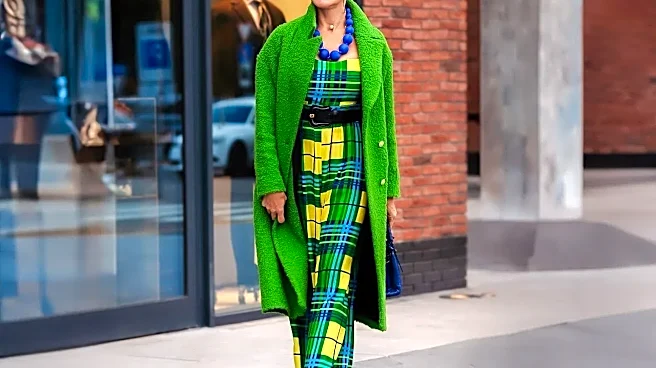
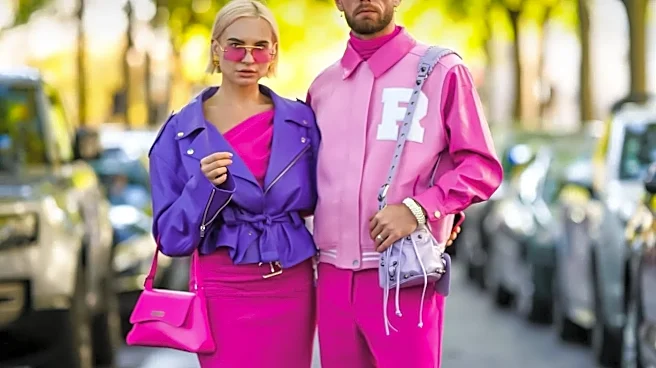
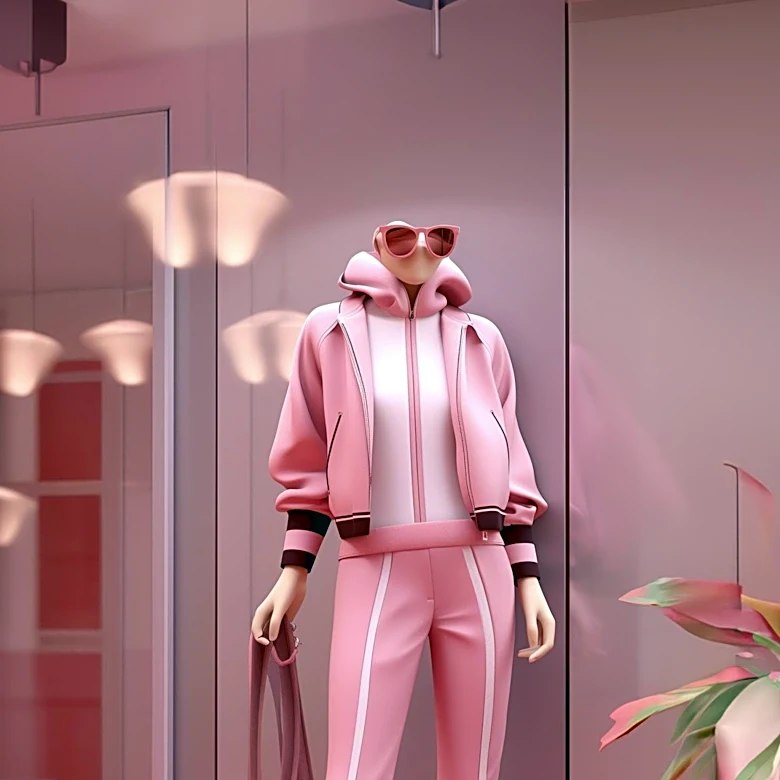
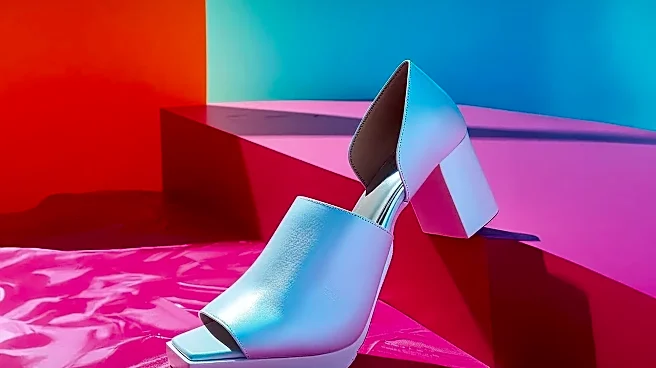
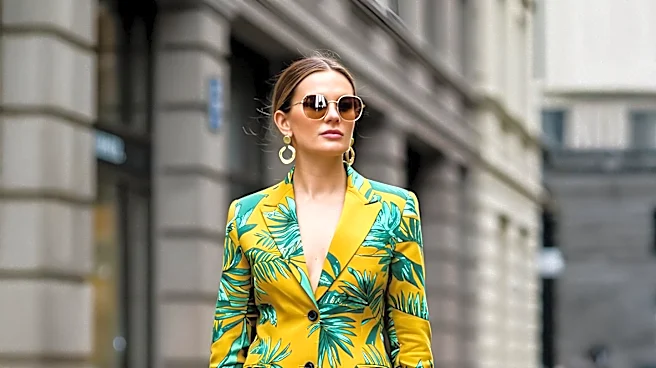
Designing for movement isn't just about utility; it’s also about the freedom to be expressive. Copenhagen style has moved beyond its minimalist past to embrace bold color, playful proportions, and crafty, personal touches. The SS27 street style was a riot of unexpected color pairings, tactile fabrics, and whimsical accessories that all felt deeply individual. This joyful approach is a key lesson. The city's designers and inhabitants prove that practical clothing doesn't have to be boring. Brands like Ganni, a perennial favorite, have built their global success on this very idea (even collaborating with others on upcycled looks), while veterans like Stine Goya and Baum und Pferdgarten continue to champion vibrant prints and relaxed silhouettes. Even the footwear is refreshingly down-to-earth. While you might spot an occasional heel, the prevailing trend is comfort-forward shoes—from sneakers to chunky flats—that can handle a day of walking and cycling.
A Blueprint for Modern Style
Ultimately, what Copenhagen Fashion Week teaches is that designing for movement is really about designing for modern life. The principles on display—functionality, quality materials, and a blend of comfort with personality—resonate far beyond Denmark because they address a universal desire to look good without feeling constrained. It stands in contrast to other fashion capitals that can sometimes feel detached from everyday reality. The Scandinavian design tradition, rooted in making functional, beautiful objects for daily use, provides the foundation for this approach. By prioritizing wearability and longevity, designers are not just creating clothes, but offering a more sustainable and realistic approach to fashion. The message is clear: the most stylish garment is one that lets you live your life in it, fully and freely.