




The All-Star Team Illusion
Here it is, the cardinal sin of group stage fantasy: You’re building a team of posters, not players. You’ve scanned the rosters of the tournament favorites—France, England, Brazil, Argentina—and immediately filled your fantasy lineup with the biggest
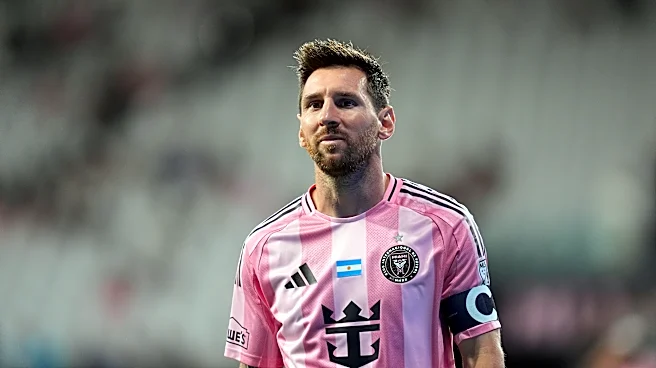
names you recognize. Kylian Mbappé? Check. Harry Kane? Of course. Lionel Messi or Vinícius Júnior? You bet. Your attack looks like a FIFA video game cover, a collection of global superstars destined for glory. It feels right. It feels powerful. And in most cases, it’s a trap that will leave you languishing at the bottom of your league table before the knockout rounds even begin. This isn't about the players being bad; they're generational talents. This is about understanding the unique, often counterintuitive, dynamics of tournament fantasy, where name recognition is often inversely proportional to value in the early going.
Why Your Dream Team Becomes a Nightmare
So why does this seemingly foolproof strategy fail so spectacularly? It boils down to three key factors that casual players often overlook. First and foremost is the dreaded third-match rotation. If a powerhouse team like Spain or Germany wins their first two group games convincingly, they’ve already qualified for the next round. What happens in that third game? The coach rests his stars. Your captain, the one you spent a third of your budget on, is sitting on the bench wearing a bib while a 20-year-old prospect gets his first tournament minutes. Suddenly, you’ve got a massive hole in your lineup scoring zero points. Second, on top-tier teams, the goals are often spread around. While Mbappé might be the focal point, Giroud could snag a header, Griezmann could score a penalty, and a midfielder could curl one in from distance. You’ve paid a premium for the star, but his teammates are diluting his fantasy output. Finally, there's the opportunity cost. Every dollar spent on that megastar is a dollar you can’t spend on a less glamorous but potentially more effective player—a team’s designated penalty taker, a defender playing against the group’s weakest team, or a midfielder who takes all the set pieces.
The 'Guaranteed Minutes' Method
The smarter approach isn't to avoid stars entirely, but to prioritize opportunity and matchups over celebrity. Your new mantra should be: “Who is guaranteed to play 90 minutes against a weak opponent?” Look at the schedule. Identify the group stage’s weakest teams—the ones with long odds and porous defenses. Now, look at who they’re playing against. The starting striker for a good-but-not-great team playing against that group’s minnow is often a better bet for a goal or two than a superstar who might be rested or facing a tough, defensive-minded opponent. This is where you find value. Instead of picking three forwards from the tournament favorites, pick one bona fide star and supplement him with two players who are the undisputed focal points of their own national teams and have favorable matchups. These are the players who will play every minute of every game because their country *needs* them to. They won’t be rotated, and they’ll have the ball at their feet in the final third, which is all you can ask for in fantasy.
Applying the Logic to Your Defense
This principle is even more critical when picking defenders and goalkeepers, where points are won through clean sheets. Loading up on defenders from the top four teams seems logical, but it’s expensive and often inefficient. Those teams might only keep one or two clean sheets in the group stage. A much savvier strategy is to find the mid-tier, defensively organized team—think Switzerland, Denmark, or Uruguay in recent tournaments—that is in a low-scoring group. Their defenders will be cheaper, allowing you to spend more on your attack. Better yet, you can practice “fixture-hunting”: picking a budget-friendly goalkeeper who is playing the weakest attacking team in the first round of games, then transferring him out for another keeper with a favorable matchup in the second. It requires a little more management, but it’s the kind of strategic thinking that separates the champion from the crowd. Don’t just pick the best players; pick the players in the best situations.