





The Gold Standard: French Seams
If you find a garment with French seams, you've likely found a piece of high-quality construction. This technique involves sewing the seam twice, encasing the raw, fray-prone edges within the seam itself. The result is a clean, polished finish on the inside
that is as beautiful as it is durable. You'll often find these seams on delicate, lightweight fabrics like silk or chiffon, as they prevent fraying and provide a smooth finish against the skin. In a world of fast fashion, where quicker and cheaper overlocked seams are the norm, a French seam is a deliberate choice indicating time, skill, and a commitment to longevity. This method adds strength and is a hallmark of luxury apparel.
The Workhorse: Flat-Felled Seams
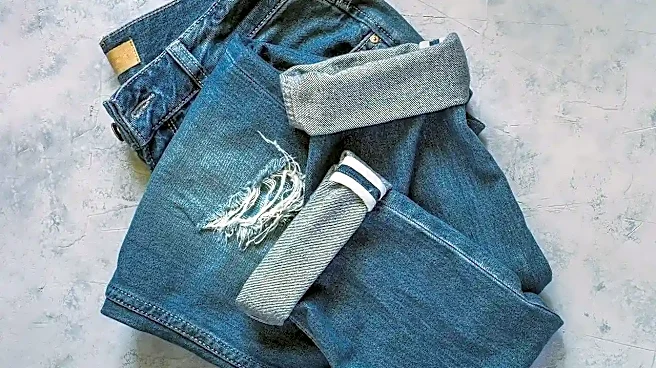
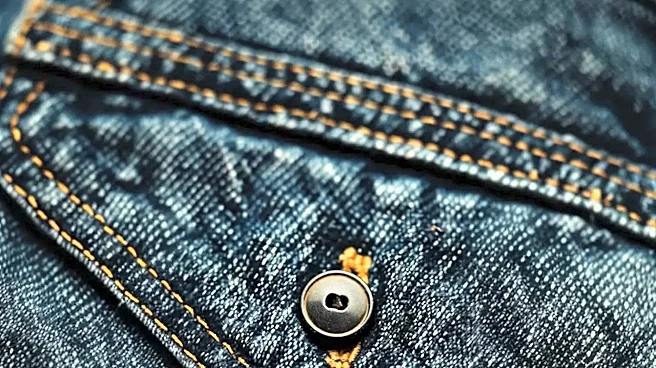
Take a look at your favorite pair of jeans. Those durable, double-stitched seams on the legs are likely flat-felled seams. This technique is one of the strongest available, created by folding and topstitching the seam allowance flat. While they require multiple steps and careful execution, the result is an incredibly tough seam that's built to withstand stress and wear. You'll find them on hard-wearing items like denim, workwear, and jackets. Because this method is more labor-intensive than a simple serged edge, its presence on a vintage garment is a strong indicator of durability and quality construction intended for heavy use.
The Vintage Telltale: Pinked Seams
If you spot a zig-zag edge on the seam allowance inside a garment, you've found a pinked seam. Created with pinking shears, this method was a common way to prevent fabric from fraying before sergers became widely available in homes. While not as robust as a French or flat-felled seam, pinking was a quick and effective finish for its time, especially on stable woven fabrics like wool. Finding pinked seams is often a great clue that you're looking at a true vintage piece, likely from the mid-20th century. It shows a level of hand-finishing that is rare in modern mass-produced clothing.
The Modern Shortcut: Serged Seams
A serged, or overlocked, seam uses a special machine to trim the fabric edge and wrap it in thread loops, all in one pass. This is the most common seam finish found on modern clothing because it's fast and efficient. While effective at preventing fraying, a serged seam is not necessarily a sign of high-end construction on its own. In many vintage contexts, especially pre-1970s, their absence is more notable. However, a well-executed serged seam is far better than a raw, unfinished edge, which is a clear red flag for poor quality. When you see serging, consider it the baseline for acceptable construction, not the mark of superior craftsmanship that other, more complex seams represent.
Beyond the Seam Type: Stitch Density
Regardless of the seam type, take a closer look at the stitches themselves. High-quality garments feature a high stitch density, meaning the stitches are small and close together. A higher number of stitches per inch (SPI) creates a stronger, more durable seam that distributes stress evenly and is less likely to pucker or break. Gently pull on the seam; if the stitches hold firm and you don't see light passing through, it's a good sign. Conversely, long, loose stitches are a hallmark of cheap, rapid production and a sign that the garment may not hold up to repeated wear and washing.