
The Doppelgänger in the Glass
At its core, the fear of reflections is a fear of the self. A mirror shows us a version of ourselves that is simultaneously familiar and alien—a silent, two-dimensional twin that mimics our every move.
Horror writers and directors exploit this by breaking the pact of imitation. When a reflection smirks, moves on its own, or doesn’t appear at all, it taps into a primal fear of losing control and identity. This idea of the doppelgänger, or a sinister double, has roots in ancient folklore and mythology, where seeing one’s own double often foretold death or misfortune. On television, this plays out in scenes of intense psychological horror. The terror isn't just about a monster; it's the suggestion that the monster might be a darker, truer version of you, waiting just on the other side of the glass.
A Portal to the Unknown
Long before screens dominated our lives, mirrors were seen as gateways. Folklore and Gothic literature are filled with tales of mirrors as portals to other realms, prisons for lost souls, or tools for scrying the future. This makes them a perfect narrative device for supernatural horror. A ghost doesn't need to break down a door if it can simply appear behind a character in the bathroom mirror—a trope that remains effective because it invades a private, vulnerable moment. Shows like Boris Karloff's classic anthology Thriller used this concept in episodes like "The Hungry Glass," where a haunted house’s mirrors contain the spirits of the dead. More modern series like Supernatural repeatedly use mirrors as conduits for spirits and monsters, reinforcing the idea that these reflective surfaces are not just glass, but weak spots between worlds.
The Shattered Self
Beyond literal monsters, reflections are a powerful visual metaphor for a character's internal state. In psychological horror, a cracked, distorted, or clouded mirror often symbolizes a fractured psyche or a break from reality. When a character is wrestling with guilt, trauma, or a descent into madness, the camera often finds them in front of a mirror. This technique allows the show to externalize their inner turmoil. Mike Flanagan's The Haunting of Hill House uses reflections subtly but persistently, with spectral figures appearing in the periphery of glass and polished surfaces, mirroring the hidden traumas that haunt the Crain family. The reflections aren't just jump scares; they are manifestations of memory and pain, suggesting that what haunts us is often a reflection of our own unresolved past.
Modern Reflections, New Anxieties
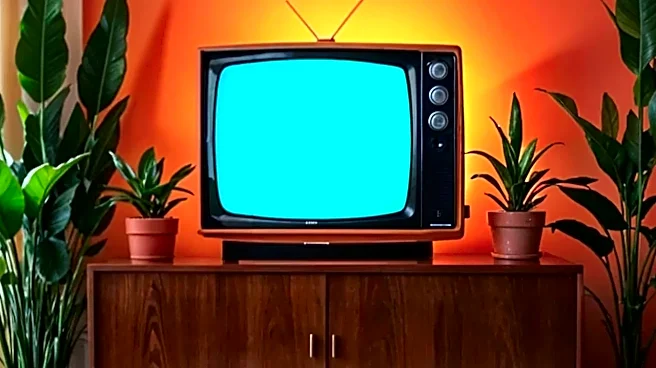
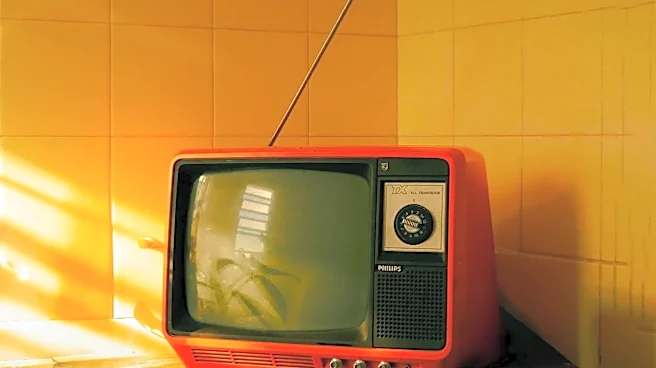
In an era of endless screens, the reflection trope has found new life. Charlie Brooker's Black Mirror is built entirely on this premise, with the title referring to the dark, reflective surface of a powered-down phone, tablet, or television. The series updates the classic mirror horror by exploring how technology reflects our vanity, our cruelty, and our deepest insecurities back at us. Episodes like "Beyond the Sea" use futuristic technology to explore themes of identity and control in a way that feels eerily close to home. The horror is no longer just about a ghost in the glass but about the distorted versions of ourselves we project and perceive through our digital lives. The “black mirror” shows us that the most unsettling reflections may be the ones we willingly create and stare into every day.