


An Actor Seeking a Detour
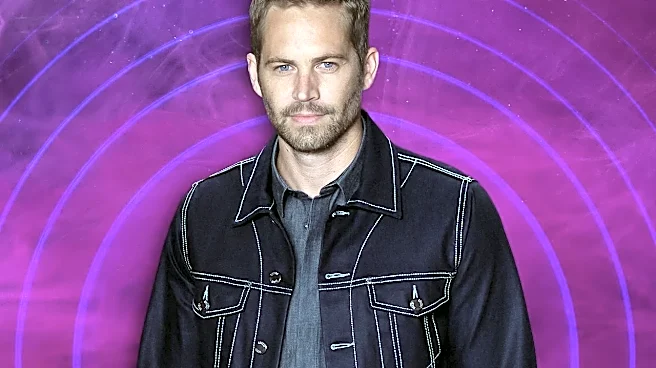
Paul Walker was synonymous with Brian O'Conner, the easygoing hero of the blockbuster Fast & Furious films. While he embraced the role that made him a global star, his work just before his untimely passing in 2013 suggests a man actively steering his career
into more challenging territory. He was using his box-office clout not to cash bigger checks, but to finance smaller, character-driven projects. These weren't just side-gigs; they were deliberate choices by an artist who, at 40, seemed determined to show the world—and perhaps himself—the full range of his capabilities.
The Raw Grief of 'Hours'
Nowhere was this clearer than in Hours, a film released just weeks after his death. Stripped of fast cars and ensemble casts, the movie is a grueling one-man show. Walker plays a father trying to keep his newborn daughter alive on a ventilator in an abandoned New Orleans hospital during Hurricane Katrina. He is in nearly every frame, carrying the film with a performance of raw, exhausted desperation that many critics called the best of his career. It’s a quiet, workmanlike portrayal of paternal devotion, and watching it feels like witnessing a genuine breakthrough. Walker isn't just playing a hero; he's embodying a man utterly broken down and forced to rebuild himself moment by agonizing moment. It’s a stunning showcase for an actor many had underestimated.
Refining the Action Hero in 'Brick Mansions'
Brick Mansions, the last film Walker fully completed, might seem like a return to familiar action territory. He plays an undercover cop in a dystopian Detroit. But here too, something is different. The performance is leaner, tougher, and more grounded than his previous action roles. Paired with parkour pioneer David Belle, Walker provides a stoic center amidst the chaos, but with a weary maturity that adds weight to the high-flying stunts. While the film itself received mixed reviews, many noted that it was a great example of what Walker did best, using his quiet calm and physicality to be a reliable and appealing action hero, but with an added layer of grit that hinted at new directions.
The Unforgettable Goodbye in 'Furious 7'
Then there is Furious 7, a film forever defined by the tragedy of its production. Walker had completed a significant portion of his scenes before his death, but his performance was finished with a groundbreaking and sensitive combination of body doubles—including his own brothers—and visual effects. The result is strangely poignant. The fictional story of Brian O'Conner wrestling with domesticity and his desire for a safer life gained an almost unbearable emotional resonance. The film's conclusion, where his character literally drives off into the sunset, became one of the most moving farewells in modern cinema. The performance is a composite, a testament to collaborative filmmaking, but it’s anchored by the genuine warmth and heart Walker brought to the role one last, unforgettable time.