
The Illusion of Absolute Control
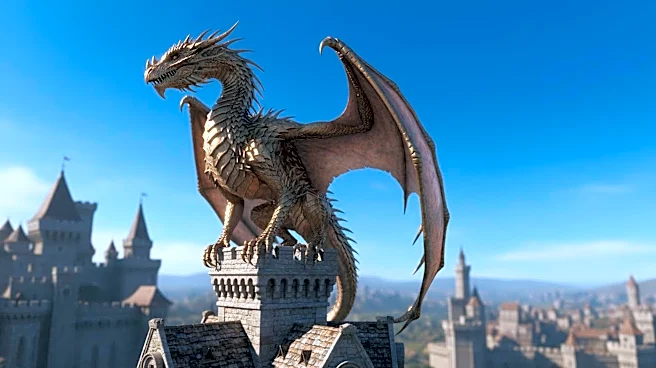
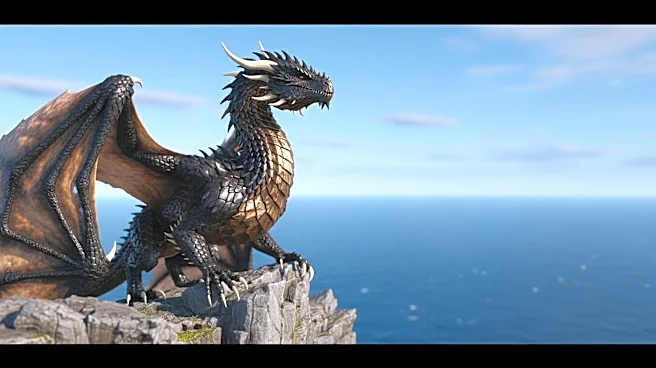
The core premise of Targaryen rule is built on a simple, terrifying equation: We have dragons, you don’t. For centuries, this was enough to hold the Seven Kingdoms together. Yet, the Dance of the Dragons exposes the fatal flaw in this logic. Dragons are
not precision instruments; they are living, breathing creatures with their own instincts. More importantly, they are piloted by flawed, emotional humans. The show masterfully argues that the idea of truly controlling a dragon is an illusion. The most chilling example was the death of Lucerys Velaryon. Aemond may not have intended to kill his nephew, but in chasing him on the colossal Vhagar, he lost control of his mount and triggered a war. This wasn't a political masterstroke; it was a catastrophic failure of an uncontrollable weapon system, proving that when your primary tool of statecraft is a fire-breathing beast, accidents have apocalyptic consequences.
When Deterrence Fails
In our world, this concept is called nuclear deterrence—the idea that possessing devastating weapons prevents war because the cost of using them is too high for any side to bear. In Westeros, dragons are the WMDs. The problem, as the Blacks and Greens are discovering, is that deterrence only works if everyone remains rational. The Targaryen civil war is a case study in deterrence failure. Pride, grief, and youthful arrogance constantly override political calculation. Rhaenyra, believing she has a “divine mandate to rule,” increasingly sees any disagreement as treason, making diplomacy impossible. Daemon's advice is consistently to use “absolute power” and make people fear them. This creates a brutal feedback loop: the more one side relies on the threat of its dragons, the more the other side is incentivized to do the same, until the only possible outcome is mutually assured destruction.
The Atrophy of Political Skill
For generations, House Targaryen didn't need to be particularly good at politics. Why bother with the tedious work of building consensus, forging lasting alliances, or mastering soft power when you can simply melt your problems? This overreliance on brute force has caused their other political skills to atrophy. Rhaenyra’s struggles as queen are a direct result of this. She has a difficult time managing the varying loyalties and ambitions within her own council. Her decision to recruit the “dragonseeds”—common folk who could tame dragons—was a militarily sound move that became a political disaster. Handing immense power to resentful strangers like Ulf the White, who then considers betraying her for a better offer, highlights the problem: dragon power is not a substitute for trust, loyalty, or good governance. It's a shortcut that ultimately leads to a dead end.
The Finale’s Fiery Question
As we head into the season finale, the stage is set for a massive confrontation at Tumbleton, a battle that promises immense destruction. But the central question isn't just about which side has more dragons. The real conflict is about the nature of power itself. We see Rhaenyra becoming more paranoid and isolated, struggling to hold her faction together. We see Alicent grappling with the consequences of her sons' actions. The political problems created by dragon power are coming home to roost. The finale won't just be a spectacle of fire and blood; it will be the ultimate test of this Targaryen paradox. When you possess the power to burn cities to the ground, how do you build a kingdom? When your only tool is a hammer—or in this case, a dragon—every problem starts to look like a nail you are compelled to incinerate, regardless of the cost.