

Start with the Four Core Pigment Types
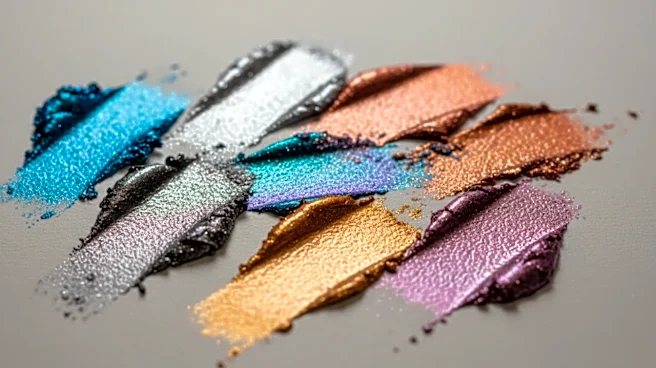
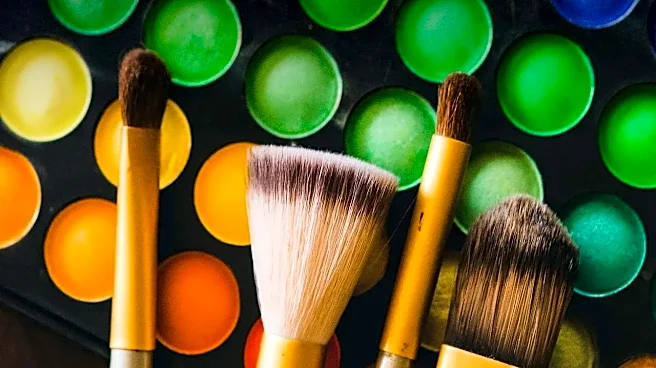
The world of character makeup is built on four main types of pigments, each with its own unique properties, activation method, and best-use cases. Understanding these is the first step. Water-activated paints are solid cakes of pigment that come alive
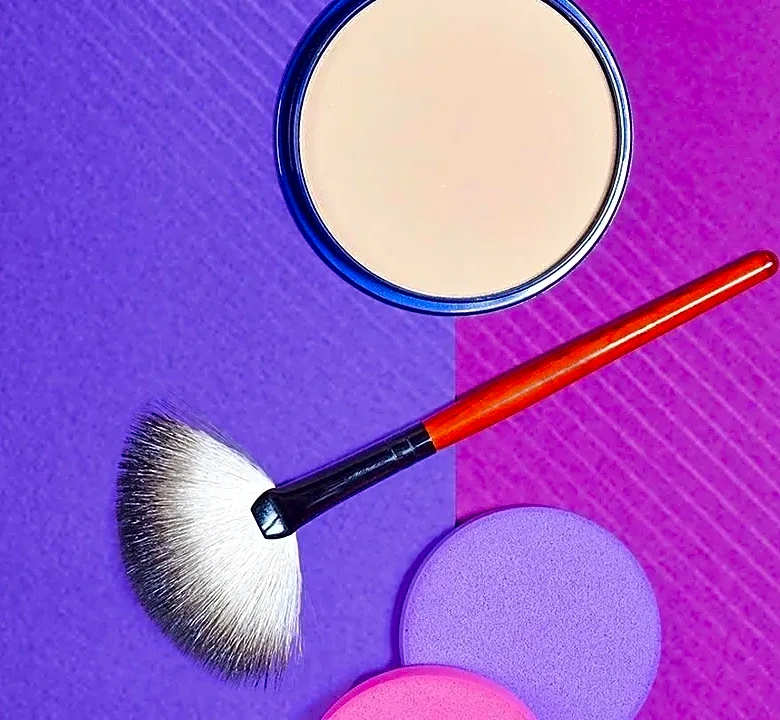
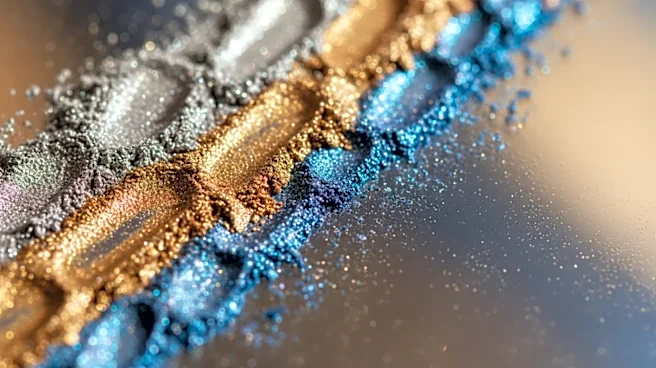
with water, much like watercolors. They are excellent for crisp lines, broad coverage, and looks that don't require extreme sweat resistance. Cream-based paints, often oil or grease-based, offer excellent blendability and are fantastic for covering large areas and creating smooth transitions. They are a staple in theater but require setting with powder to prevent smudging. Alcohol-activated paints are the industry choice for durability. Activated with 99% isopropyl alcohol, they are waterproof, sweat-proof, and transfer-resistant, making them perfect for special effects like veins, wounds, and long-wear applications. Finally, loose or pressed powders can be used for subtle coloring, setting creams, or adding texture and dimension over other bases.
Match the Pigment to the Surface
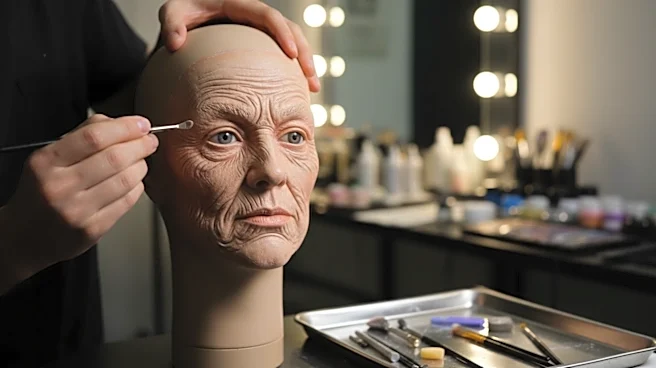
Where you are applying the makeup is just as important as what you are applying. For direct-to-skin applications, all pigment types are viable, depending on your needs. However, when working with prosthetics made from materials like latex, gelatin, or silicone, the rules change. Silicone prosthetics, for example, often repel everything except silicone-based or alcohol-activated paints. Using specialized silicone pigments, either mixed into the prosthetic itself (intrinsic coloration) or painted on top, yields the most realistic results. Cream paints can sometimes be used over sealed prosthetics but may not offer the same seamless finish. Always test your pigments on a small area of the material first to ensure compatibility and prevent beading or peeling.
Consider the Performance Conditions
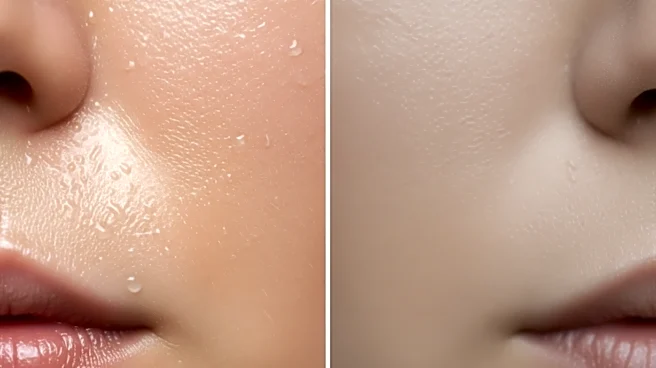
A character for a short photoshoot has very different needs than one for an all-day convention or a performance under hot stage lights. Durability is a key factor. Alcohol-activated paints are the undisputed champions of longevity, resisting sweat, water, and friction. This makes them ideal for actors, performers, and cosplayers in demanding environments. Cream paints, once properly set with powder, are also highly durable for theatrical work. Water-activated paints are the least durable against moisture; sweat and rain can cause them to reactivate and run. However, their ease of removal makes them a great choice for less strenuous situations or for children's face painting.
Use Color Theory to Tell a Story
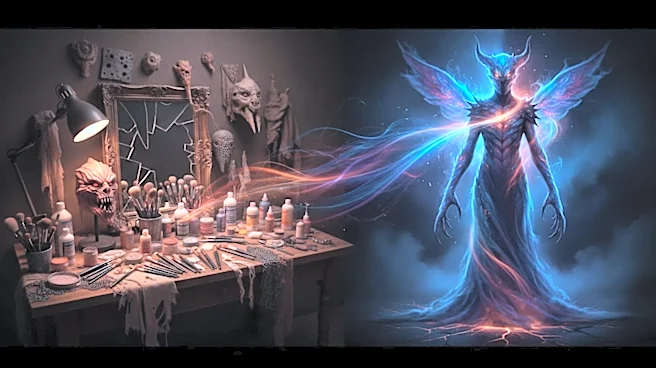
Beyond the technical aspects, pigment choice is an artistic one. A firm grasp of color theory is essential for creating believable effects. Human skin is not one flat color; it's a complex, translucent layer of reds, browns, yellows, and blues. To create a realistic skin tone over a prosthetic, you must layer these colors. For bruises, understanding the progression of color from red/blue to green and yellow is key. Complementary colors (opposites on the color wheel) are used for neutralization; for instance, a green-tinted primer can cancel out redness on the skin. The colors you choose will instantly communicate information about your character's health, species, or emotional state. A sickly character might have sallow yellow and green undertones, while a mythical creature could be brought to life with vibrant, iridescent pigments.
Layering for Depth and Realism
The most professional and high-impact makeups are rarely achieved with a single product. The true artistry comes from layering different types of pigments to create texture, depth, and realism. A common technique is to start with a cream-based foundation for overall color, then use alcohol-activated paints to add fine details like veins, freckles, or subtle bruising that won't smudge. Powders can then be used to set the creams and to add a final layer of texture, such as dust or grime. By combining the blendability of creams, the precision of water-activated paints, and the durability of alcohol-based pigments, you can create a multi-dimensional effect that elevates your character from a simple painting to a living, breathing creation.