

The Power of a Strong Silhouette
Before a single scale is sculpted or line of code is rendered, the most budget-friendly tool a designer has is a strong concept. A monster that is instantly recognizable from its shadow alone has already won half the battle. Think about the most iconic
creatures in television history; their shapes are often simple but distinct. This initial design phase is all about visual impact, not expensive detail. A simple, bold silhouette is easier and cheaper to build as a practical costume, animate as a CGI model, and light effectively on set. Designers focus on creating a unique shape that communicates the creature's nature—be it lumbering, skittish, or aggressive. This story-first approach ensures the monster serves a purpose beyond just being a scary effect, making it more memorable to the audience without adding a dime to the production cost.
Hiding in Plain Sight
One of the oldest tricks in the monster-movie playbook is also the most effective on a TV budget: suggestion is often scarier (and cheaper) than showing everything. When resources are limited, directors and designers lean into the power of the audience's imagination. A fleeting glimpse of a creature in the dark, a claw revealed from behind a door, or a tail disappearing around a corner can be more terrifying than a brightly lit, full-body shot. Using elements like fog, shadows, and quick camera cuts not only builds suspense but also cleverly hides the seams of a lower-budget effect. This technique, sometimes called the "Jaws principle," forces the creative team to be economical with their shots, which in turn saves money on both complex practical effects and extensive digital rendering.
Practical Effects Are Still King
In an era dominated by digital effects, practical, on-set creations remain the bedrock of television monster-making. Prosthetics, detailed makeup, animatronics, and full-body suits provide something invaluable: a physical presence that actors can react to and that light interacts with realistically. For close-up shots, high-quality makeup and prosthetics often look more convincing than their digital counterparts. Furthermore, practical creatures don't need to be perfect from every angle. A monster might only be built to be filmed from the waist up, or one side of its body might be far more detailed because it's the only part the camera will ever see. This targeted approach allows designers to focus their time and budget where it will have the most on-screen impact.
The Smart CGI Hybrid
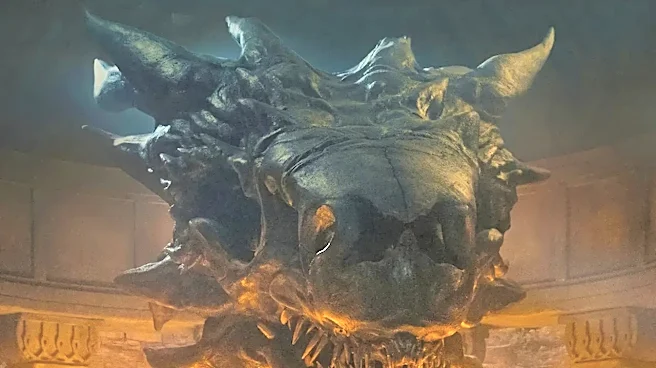
Today’s television landscape rarely presents a stark choice between practical or digital. The most successful and budget-conscious productions use a hybrid approach. CGI isn't used to replace a physical creature, but to enhance it. A performer in a creature suit might have their real eyes digitally replaced, or wires used to operate a puppet can be seamlessly erased in post-production. Digital artists can add otherworldly glows, dripping slime, or wisps of smoke to a practical creature, elevating the effect without the astronomical cost of building a fully digital character from scratch. This blend allows for the tangible realism of practical effects while leveraging the limitless possibilities of CGI for the finishing touches, creating a final product that looks far more expensive than it actually was.