





What Exactly Is Reverse-Angle Editing?
In its simplest form, a reverse angle is a shot from the opposite perspective of the previous one. Think of any classic conversation in a movie. You see one person talking, then the film cuts to a 'reverse angle' to show the other person's reaction. It's
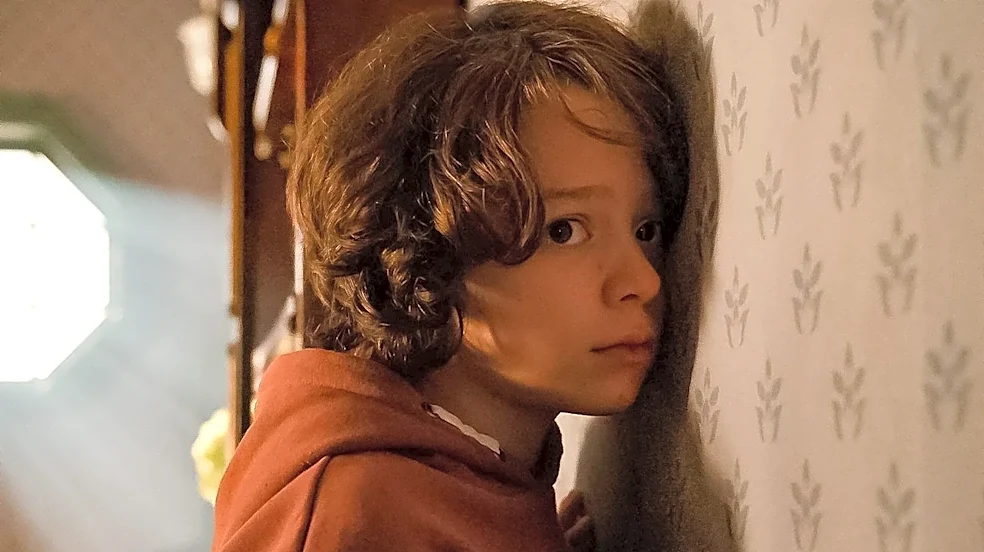
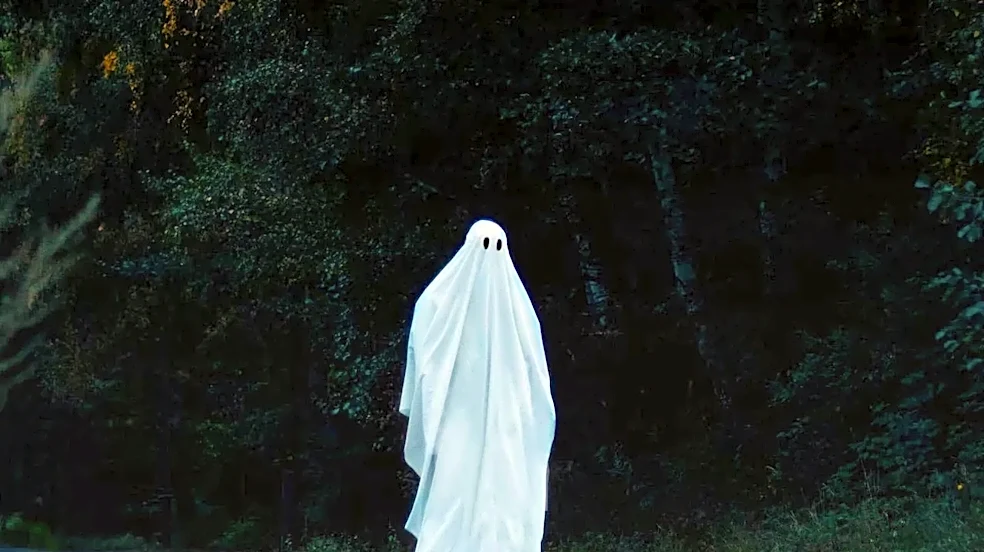
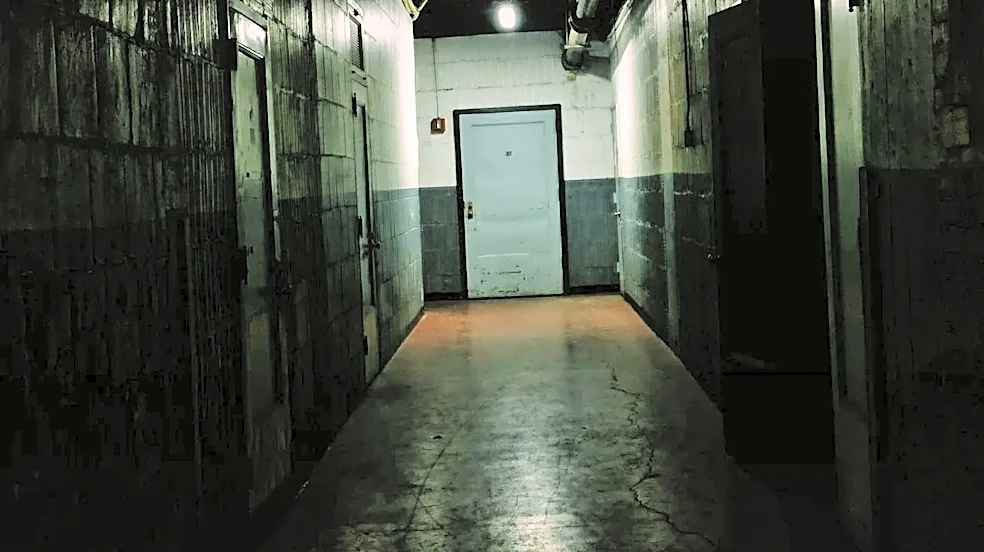
the basic grammar of cinematic dialogue. But in horror, this simple tool is twisted into a weapon of suspense. Instead of facilitating a conversation, it creates a terrifying disconnect. The technique's power lies in what it chooses not to show you. The director shows a character looking at something off-screen, building a question in your mind: 'What are they seeing?' When the reverse angle reveals an empty hallway or a quiet backyard, it denies you the answer. This denial is more powerful than any jump scare, creating a lingering dread that forces your imagination to fill in the blanks.
The Psychology of a Perfect Scare
Our brains are wired to find patterns and seek answers. Horror filmmakers exploit this mercilessly. By presenting a setup (the character's fearful look) without a payoff (the monster), reverse-angle editing short-circuits our expectations. This creates a powerful sense of unease. The technique is a masterclass in psychological manipulation, preying on primal fears of the unknown and the feeling of being watched. The director essentially makes a promise—'I will show you the danger'—and then breaks it. This leaves the audience in a heightened state of alert, anxiously scanning every corner of the frame for the threat you know is coming, but can't yet see. It's not about the eventual shock; it's about the agonizing anticipation. That empty space in the frame becomes more terrifying than any monster because your own mind has populated it with the worst possible outcome.
The 'Halloween' Blueprint
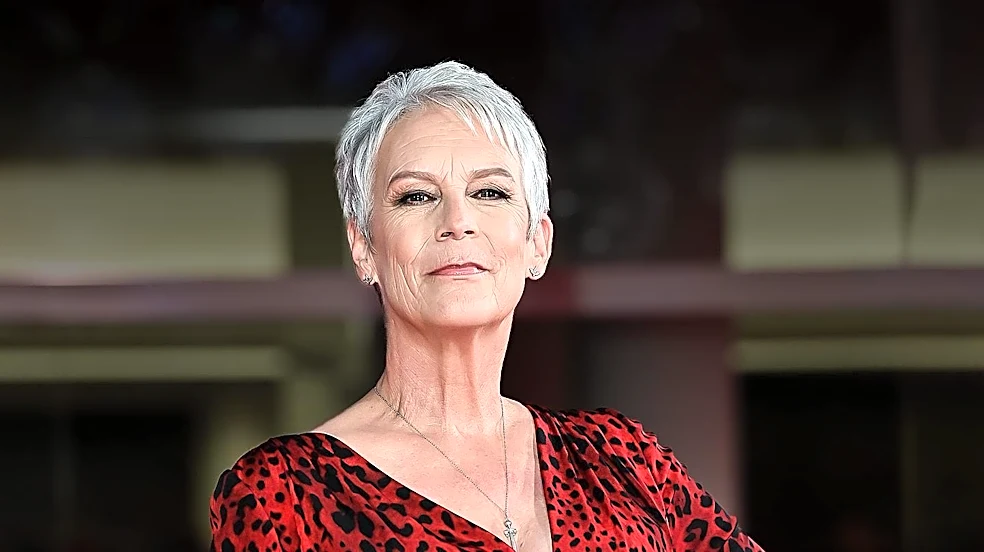
No one understood this better than John Carpenter. His 1978 masterpiece, 'Halloween', is a textbook on using visual language to generate dread. Carpenter famously used a wide Panavision aspect ratio not to fill the screen with action, but to fill it with menacing, empty space. Throughout the film, he uses reverse angles to weaponize the quiet suburban setting. When Laurie Strode (Jamie Lee Curtis) glances out her window to see Michael Myers standing across the street, the shot is chilling. But when she looks back and the reverse angle reveals an empty patch of lawn, the terror is magnified. The killer has vanished into thin air, and the safe, familiar neighborhood is now a hunting ground. Carpenter uses this technique repeatedly—showing us Michael's point-of-view as he watches his victims, then cutting back to an objective shot where he is nowhere to be found. This makes the audience feel complicit in the stalking and turns every shadow into a potential hiding place.
An Enduring Legacy of Fear
The principles perfected in 'Halloween' became the foundation for the modern slasher and psychological horror film. Directors learned that what you conceal is often more effective than what you reveal. By pairing the killer's point-of-view with disorienting reverse angles, filmmakers can hide a killer's identity, build unbearable tension, and make the audience an active participant in the horror. This editing logic forces you to question what is real within the film's world. Is the character imagining it? Is the killer supernatural? The technique thrives in that uncertainty. From the suspense of 'The Shining' to countless modern thrillers, the reverse-angle fake-out has become an essential tool. It proves that the most sophisticated special effect is often the viewer's own imagination, expertly guided by a director who knows exactly what not to show you.