






More Than Just a Coin Flip
Forget the idea that a penalty shootout is random. It's a precisely measured test of mental strength, and the numbers prove it. During the normal flow of a game, professional soccer players convert about 85% of their penalty kicks. But once the game ends
and the shootout begins—that lonely walk from the center circle, the silent stadium, the weight of a nation—the success rate plummets to just 76%. That 9% drop isn't about tired legs; it's the statistical cost of overwhelming psychological pressure. Calling it a 'lottery' is a convenient way to cope with the outcome, but it’s damaging to the players themselves, stripping them of their sense of control when they need it most. What unfolds from 12 yards away is a battle of wills, not a game of chance.
The Kicker and the Keeper
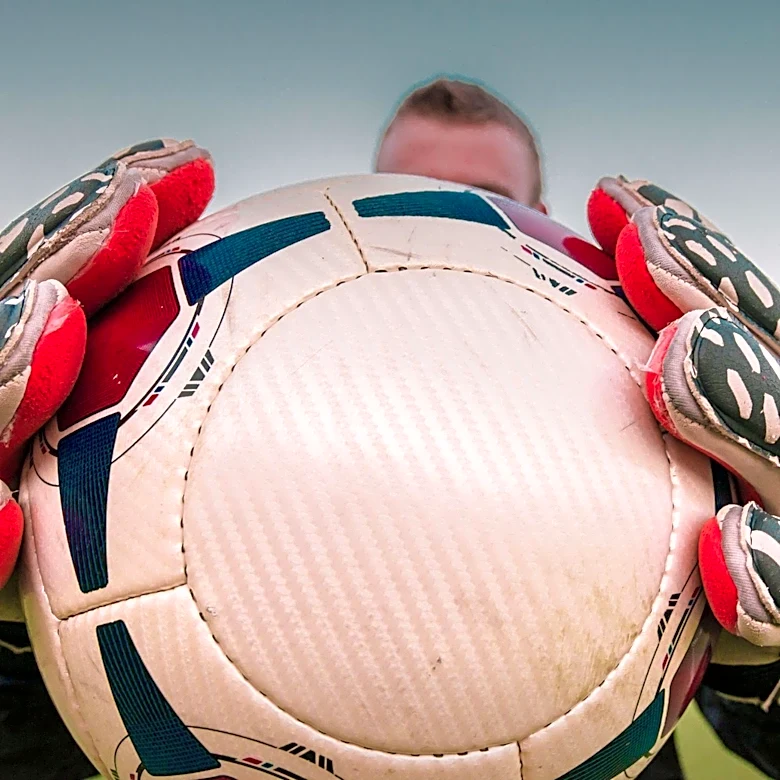
To understand the dynamic, think of it in terms American sports fans know well. The penalty taker is like a field goal kicker with the Super Bowl on the line, or a basketball player at the free-throw line with zero seconds on the clock. It's an individual act that decides a team's fate. The goalkeeper, however, faces a different kind of pressure. The odds are stacked against them, as they are only expected to save about one in every four shots. Yet, watch any shootout and you’ll see them dive left or right on nearly every kick. Research shows keepers dive around 94% of the time. But here’s the twist: standing still is often the better strategy. Goalkeepers who remain in the center save about a third of penalties, compared to roughly 14% when they dive. So why do they always jump? Psychologists call it “action bias”: the overwhelming need to be seen doing something. Standing still and watching a ball go in feels like failure, while a desperate dive, even if unsuccessful, looks like a valiant effort.
The Heaviest Weight in Sports
Here is the single most important psychological concept in a shootout: loss aversion. This theory, proven by Nobel Prize-winning psychologists, states that the pain of losing is a far more powerful motivator than the pleasure of winning. And in shootouts, the data is staggering. When a player steps up to take a kick that will win the entire match, their success rate skyrockets to 92%. They are focused on glory. But when a player has to score just to keep their team from being eliminated, the success rate collapses to below 60%. The context flips from opportunity to threat. The fear of being the one who loses it all is a crushing weight. Instead of kicking to win, they are kicking to not lose—a subtle but profound distinction that causes world-class athletes to choke.
Reading the Telltale Signs
Now that you know the forces at play, you can watch a shootout like a pro. Look for the tiny details that reveal a player's mental state. First, watch the clock. Players who rush their shot—kicking within a fraction of a second of the referee’s whistle—convert only 57% of the time. Those who take a deep breath and pause for at least one second see their success rate jump to 80%. Second, watch their posture. A player who turns their back on the goalkeeper after placing the ball is showing avoidance behavior, a subconscious attempt to escape the pressure; they are more likely to miss. Finally, watch the celebration. Studies show that when a player celebrates their goal with genuine, powerful emotion, their opponent is more likely to miss the next kick. This 'emotional contagion' is a real phenomenon; one player's confidence becomes a psychological weapon against the other team.