


The Shape of Things: Redefining ‘Fit’
When Americans talk about 'fit,' we often mean 'tight.' We think of slim-fit shirts that hug the biceps or jeans tailored to a razor-sharp edge. But in Paris, the concept is broader; it’s about silhouette and proportion. [13] A garment's silhouette is its
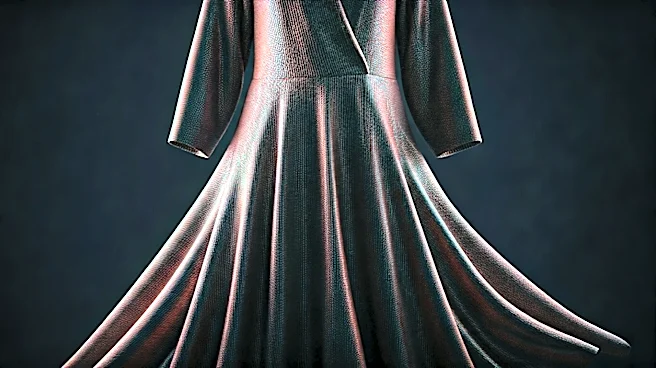
overall shape, the outline it creates. [5, 6] Parisian style is less concerned with whether a shirt is tight and more with how its volume interacts with the trousers. [16] This might mean pairing a slightly looser, relaxed-fit shirt with a pair of structured, high-waisted trousers. The goal isn’t to recreate the body's exact shape but to flatter it by creating a balanced, intentional outline. [13] It's the difference between merely wearing clothes and composing an outfit. This focus on shape is the bedrock of that certain *je ne sais quoi*—an elegance that feels considered yet nonchalant. [3]
Proportion as the Canvas
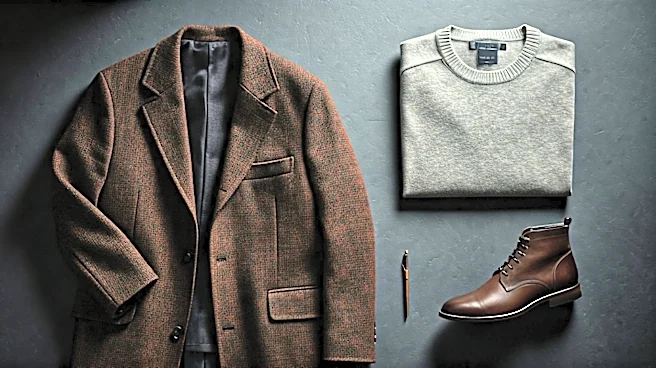
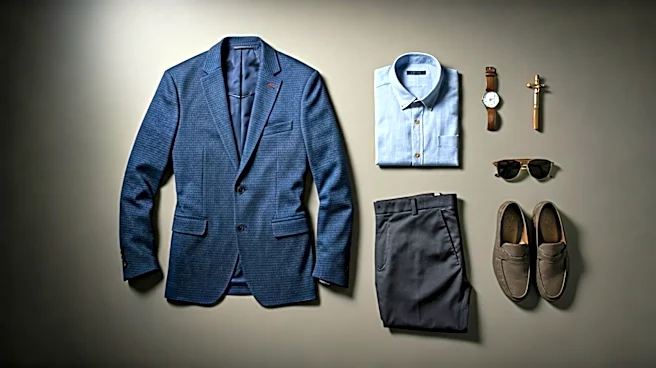
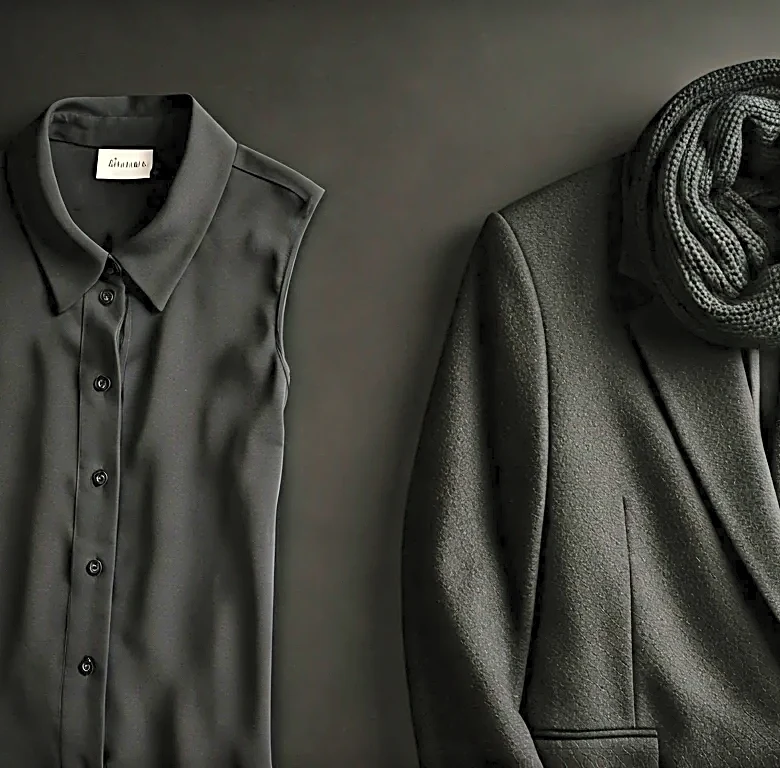
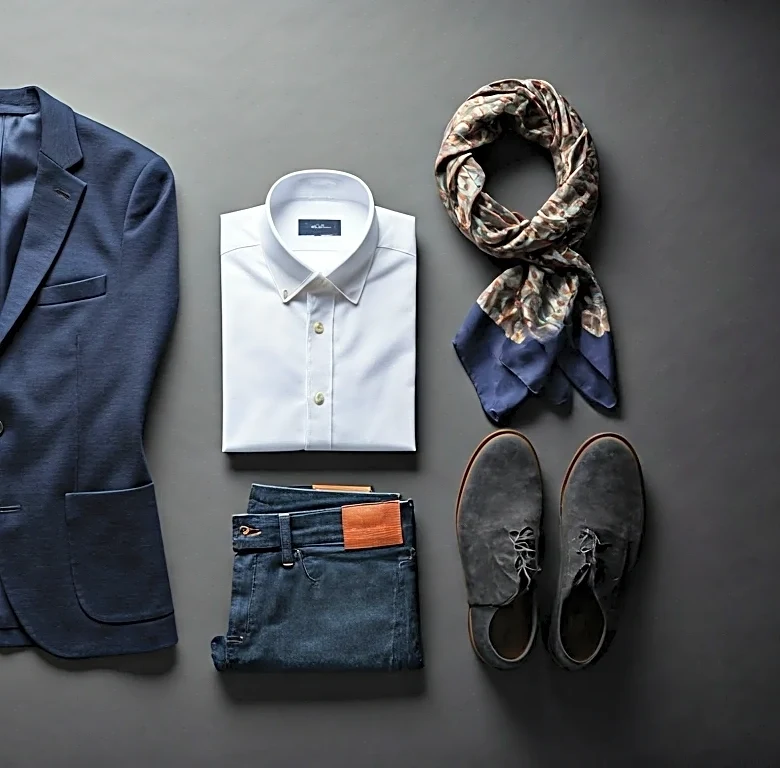
Think of building an outfit like painting a picture. Before you can even think about which colors to use, you need a well-primed canvas. In style, proportion is that canvas. When the silhouette is right—when the length of a jacket harmonizes with the width of the pants, and the rise of the trousers creates an elegant line—the outfit has structural integrity. [15, 23] On this strong foundation, color choices become simpler and more impactful. A wardrobe built around neutral tones like navy, grey, beige, and black, as is common in Paris, isn't a restriction; it's a strategic choice that allows the quality of the cut and fabric to take center stage. [4, 7] A pop of color, when used, becomes a deliberate accent rather than a chaotic main feature. [20, 22] This principle explains why a Parisian man in a simple navy sweater and grey trousers can look more put-together than someone in a cacophony of bright, trendy colors. The shapes are doing the heavy lifting.
From the Streets to Your Closet
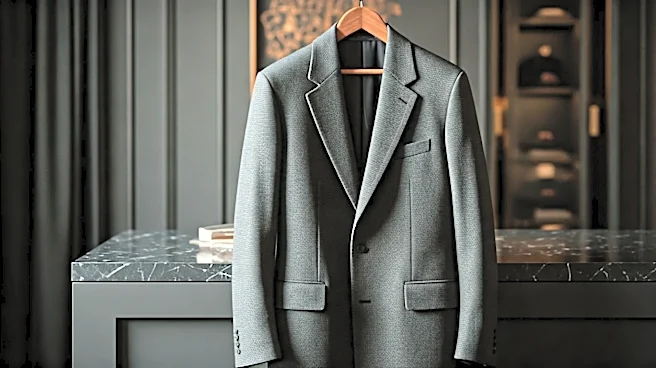
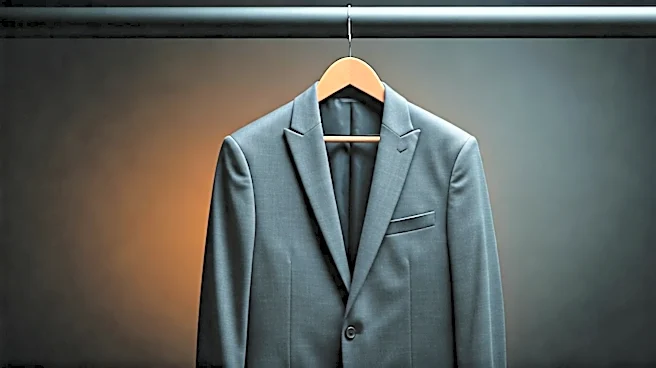
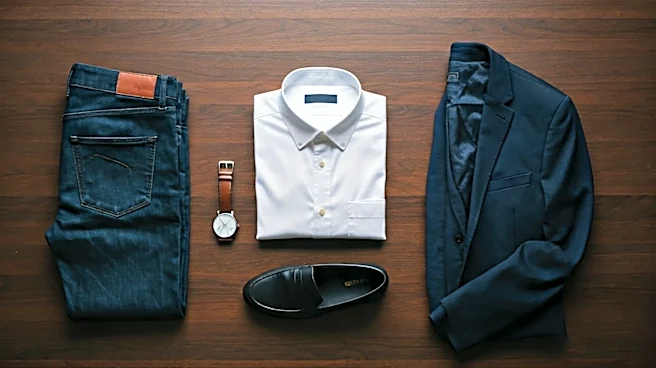
So how do you apply this? Start by looking at your clothes in terms of their shapes. Recent street style from Paris Men's Fashion Week shows this in action: oversized blazers are balanced with slim trousers, while wide-leg pants are paired with more fitted tops. [12, 14] The key is contrast and balance. To incorporate this, focus on one piece at a time. Invest in a pair of trousers that sit at your natural waist, which can have the effect of elongating your legs. [15, 23] Pay attention to the shoulder seam of your jackets and shirts; it should ideally sit right on your shoulder to create a strong frame. [9, 15] Notice the 'break' of your trousers—the point where they hit your shoes. A clean break with no bunching creates a more refined line. Instead of buying five trendy, colorful t-shirts, consider one well-made, structured jacket or a pair of perfectly tailored trousers that will become the versatile foundation of countless outfits. [24]
The Confidence of Cohesion
Ultimately, the Parisian focus on proportion is about more than just aesthetics; it’s about an attitude. [4] It’s a quiet confidence that doesn’t rely on flashy logos or loud colors to make a statement. [7, 8, 11] The clothes are there to accompany the person, not dominate them. [20] By mastering the interplay of shapes, you create a cohesive and timeless wardrobe where pieces naturally work together. This approach, which emphasizes quality over quantity and timelessness over trends, is what defines the effortlessly chic Parisian look. [22, 25] It’s not about trying too hard; it’s about knowing what works and having the confidence to stick with it. [4] This philosophy ensures that style becomes an expression of self, not just a reaction to fleeting fashion fads.