








More Than a History Lesson
When Juneteenth became a federal holiday in 2021, television programmers faced a challenge: how do you commemorate a day rooted in the delayed announcement of emancipation? Early attempts sometimes veered into the territory of a somber, if necessary,
history lecture. While understanding the historical weight of General Order No. 3 is essential, the specials that truly connect with audiences do more than just recount the facts. They understand that commemoration is not just about memory, but about feeling. The best Juneteenth programming balances solemnity with spirit. It acknowledges the brutal injustices of slavery but refuses to let the story end there. Instead, it frames freedom not as a single historical event, but as an ongoing, living process—one filled with the resilience, creativity, and vibrancy of Black American life. This approach transforms the viewing experience from a classroom lesson into a moving, multi-generational testimony.
The Power of Performance
What does a holiday sound like? For Juneteenth, the answer is increasingly found in music. Specials like CNN’s “Juneteenth: A Global Celebration for Freedom,” broadcast from the Hollywood Bowl, have become anchor events, and for good reason. They are pure cultural comfort food. The setlists are a feast of Black musical genius, weaving together gospel hymns that carried generations through hardship, soul classics that became the soundtrack to social movements, and modern R&B and hip-hop anthems that pulse with contemporary joy and defiance. When an artist like Chaka Khan, Patti LaBelle, or Questlove takes the stage, it’s more than a concert; it’s a communal experience. The music serves as a powerful conduit for emotion, allowing for celebration without words. It’s a shared language that connects the audience in the venue, the viewers at home, and the ancestors whose struggles made the celebration possible. This focus on performance provides a powerful, uplifting core that is both entertaining and deeply meaningful.
A Seat at the Table
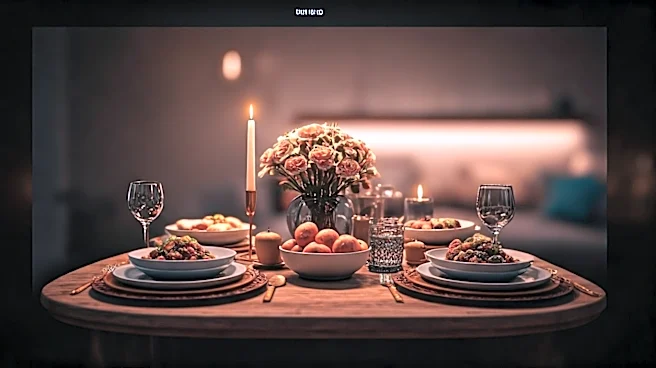
The feeling of comfort food is inextricably linked to the idea of a shared table. The most effective Juneteenth specials recreate this feeling, inviting viewers to pull up a chair at a national family cookout. Segments often feature celebrity chefs discussing the history of red-colored foods in Juneteenth traditions, or intergenerational conversations between public figures and their families. Shows like ABC's “Soul of a Nation” have excelled at this, blending high-production musical numbers with intimate discussions about what the holiday means personally. This format breaks down the barrier between performer and audience, creating a sense of intimacy and shared space. It communicates that this holiday isn't just for historical archives; it's for the backyard, the kitchen, and the living room. By centering food, family, and conversation, these programs make the grand, national story of freedom feel personal, tangible, and accessible—like a plate of your favorite food passed down from a loved one.
Joy as a Form of Resistance
Perhaps the most profound element of the “comfort food” approach is its implicit understanding of joy as a political act. For centuries, Black joy was an act of defiance in the face of systemic oppression. To laugh, to sing, to dance, to create—these were not frivolous acts but essential forms of survival and self-affirmation. The modern Juneteenth special that centers celebration is not ignoring the painful history; it is honoring the most powerful response to it. By focusing on Black achievement, creativity, and community, these programs declare that the story of Black America is one of triumph, not just trauma. This isn't about creating sanitized, feel-good television. It’s about providing cultural and spiritual sustenance. In a world that still presents countless challenges, a special that offers an unapologetic, soul-nourishing dose of Black joy isn't just comfort food; it's a revolutionary feast.