



The Cardinal Rule: Sock Thickness
The single biggest giveaway of an 'accidental' loafer-and-sock pairing is thickness. Bulky, ribbed athletic socks are the primary culprit. Loafers, by design, are sleek, low-profile shoes. Pairing them with a thick, heavy sock creates a visual and physical
clash, causing the fabric to bunch up around the ankle and distort the shoe's shape. An intentional look, by contrast, almost always starts with a thin sock. Think dress socks—the kind you’d wear with a suit. These are made from finer materials like mercerized cotton, lightweight wool, or silk blends that glide into the shoe without adding bulk. This maintains the clean, sharp silhouette from your trouser hem to your shoe, which is the entire point of a well-chosen loafer.
The Color Question: Match Your Pants, Not Your Shoes
Here's a classic piece of style wisdom that serves exceptionally well with loafers: your socks should create a continuous line from your pants down to your shoes. The most reliable way to achieve this is by matching the color of your socks to your trousers. If you're wearing navy chinos, opt for navy socks. Charcoal gray trousers? Charcoal socks. This simple rule makes your legs appear longer and keeps the outfit looking cohesive and polished. While some modern looks involve a purposeful contrast—like clean white socks with dark loafers—the foundational rule of matching your pants is the safest and most timeless way to signal that your choice was deliberate. The one thing to avoid is a jarring mismatch, like black socks with light pants or brown socks with black trousers.
Material and Texture Signal Sophistication
Beyond thickness and color, the material of the sock speaks volumes. A cheap, pilled cotton sock that has lost its color in the wash instantly cheapens the look, even if the color is technically correct. An intentional pairing considers texture. Sleek leather loafers pair beautifully with fine-gauge dress socks in materials like merino wool, cashmere blends, or high-quality cottons like Filoscozia. These materials not only look more refined but also offer better breathability and comfort. For more casual suede loafers, you can introduce a subtle texture, like a fine rib or a birdseye pattern. This adds a layer of visual interest that feels considered. The goal is a sock that complements the shoe's material, rather than fighting it.
Consider the Occasion and the Loafer Style
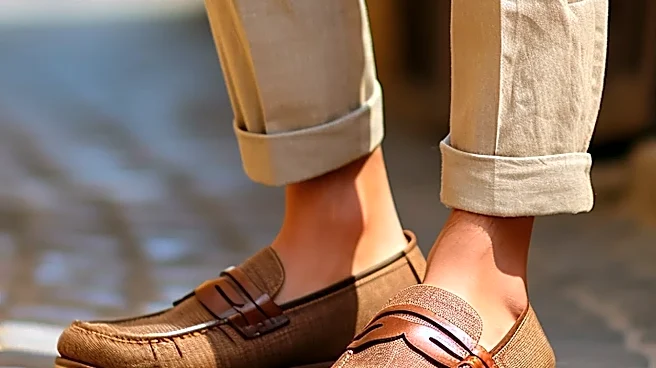
Not all loafers are created equal, and the right sock depends on the context. For formal or professional settings, especially when wearing a suit or tailored trousers, a visible dress sock is almost always the correct choice. It should be long enough—mid-calf or over-the-calf—to ensure no skin shows when you sit down. For a casual weekend look with chinos or jeans, you have more flexibility. This is where a pop of color or a tasteful pattern can work. The 'sockless' look, best achieved with invisible no-show liner socks, is ideal for warm weather and very casual outfits with shorts or rolled-up pants. Even the loafer type matters. A chunky lug-sole loafer can handle a slightly heavier ribbed sock, while a delicate tassel or horsebit loafer demands a thinner, more elegant one.