


The Endless Accessory Treadmill
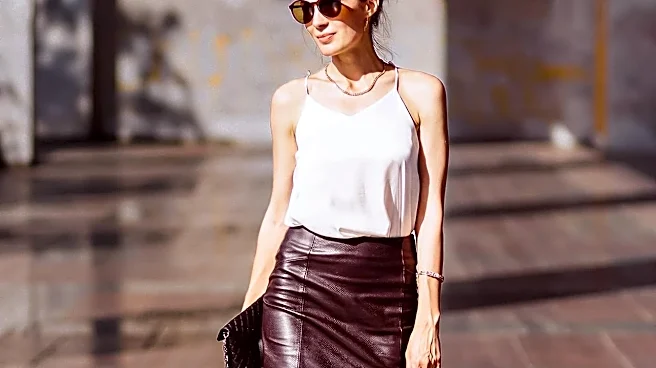
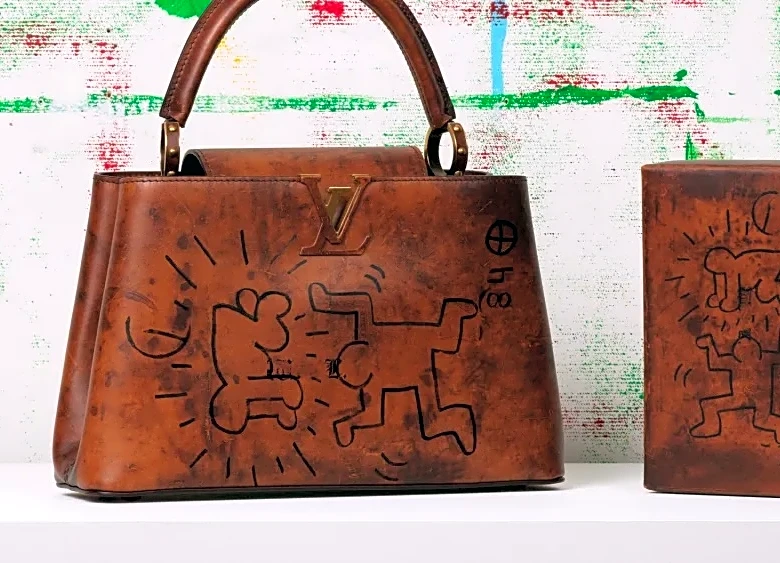
There’s a pervasive idea in fashion that an outfit is just a canvas waiting for accessories to bring it to life. This mindset puts you on an endless treadmill of searching for the perfect belt, the right bag, or the ideal piece of jewelry to tie it all
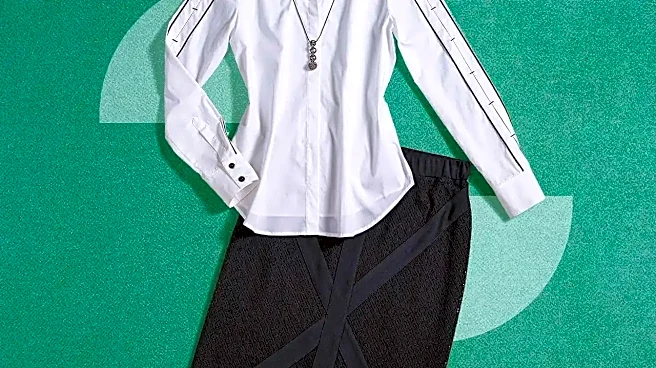
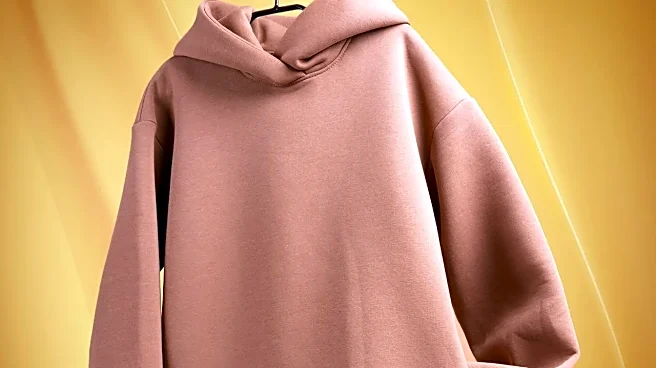
together. While accessories can be a joyful form of self-expression, the pressure to constantly adorn can lead to visual clutter and decision fatigue. It can make simple, beautiful garments feel inadequate, as if they can't possibly be enough on their own. This often stems from a wardrobe built on basics that are too, well, basic—plain, flat fabrics that do, in fact, scream for help. But there is another way. It starts not with the finishing touches, but with the very foundation of the garment: the fabric.
What It Means for Fabric to 'Work'
Letting the fabric do the work means choosing clothes where the material itself is a primary design element. This goes beyond color and pattern. It’s about texture, structure, drape, and finish. When a garment has inherent visual and tactile interest, it doesn't need much else. Think of the difference between a standard, flat-weave cotton shirt and one made from a crisp, architectural poplin or a slubby, imperfect linen. The latter two have character built in. A fabric that “works” might be a heavy silk that drapes elegantly, a chunky cable-knit that screams cozy sophistication, or a sharply tailored wool that creates a powerful silhouette. These pieces don’t just hang on the body; they interact with it, creating shapes and shadows that are more compelling than any necklace could be.
Texture as Its Own Accessory
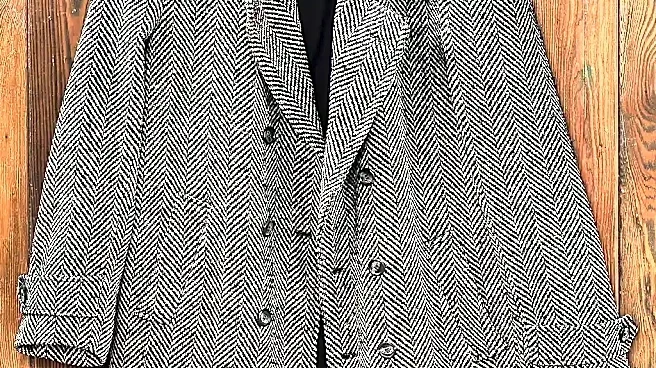
One of the easiest ways to embrace this philosophy is to prioritize texture. Fabrics with a rich tactile quality provide their own embellishment. Bouclé, with its curly, looped yarn, offers a teddy-bear-like softness that's both visually interesting and incredibly inviting. Plissé, a fabric treated to have a permanent crinkled or pleated effect, creates incredible movement and light play. Corduroy’s signature wales add linear depth, while velvet offers a decadent, light-absorbing richness. Wearing a substantial cashmere sweater or a nubby tweed blazer provides a level of sensory detail that feels complete on its own. These materials add a dimension to your outfit that makes it feel intentional and luxurious, reducing the urge to pile on extra elements.
The Power of Silhouette and Drape
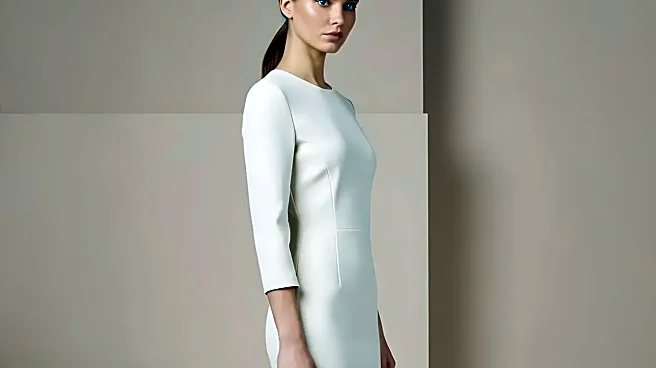
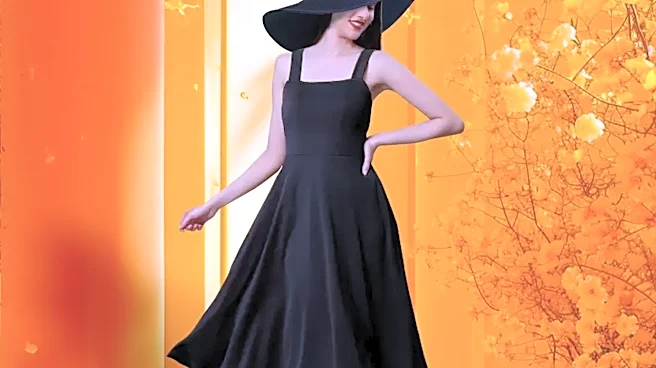
Beyond texture, the way a fabric falls and holds its shape is a critical, often-overlooked feature. This is the essence of trends like “quiet luxury,” which emphasizes high-quality materials and precise tailoring over loud logos. A dress cut from heavy crepe or a fluid Tencel blend will move with a grace that becomes the main event. A blazer made from structured wool will create a crisp, defined shoulder line that communicates confidence and intention. These garments make a statement through their form. The beauty lies in the clean lines and the way the material hangs. When a silhouette is this strong, adding accessories can actually detract from its impact, interrupting the very lines that make it so compelling.
How to Start Building a Fabric-Forward Wardrobe
Shifting your focus requires a slight change in how you shop. Instead of being drawn immediately to color or print, take a moment to touch the clothes. How does the material feel? Is it flimsy or substantial? Look at how it hangs on the hanger—does it have life and movement, or does it just sit there? Seek out natural fibers like high-quality cotton, linen, silk, and wool, which tend to have more character and durability. Don't be afraid of fabrics that aren't perfectly smooth. The small imperfections in raw silk or the rumples of linen are part of their charm. By prioritizing the inherent qualities of the fabric, you’ll begin to curate a wardrobe of pieces that feel special from the start, no assembly required.