
Corrupting the Comfort of Americana
Conventional horror often places its monsters in spooky, isolated locations—a haunted house, a derelict summer camp. 'Twin Peaks,' co-created with Mark Frost, does something far more insidious: it infects
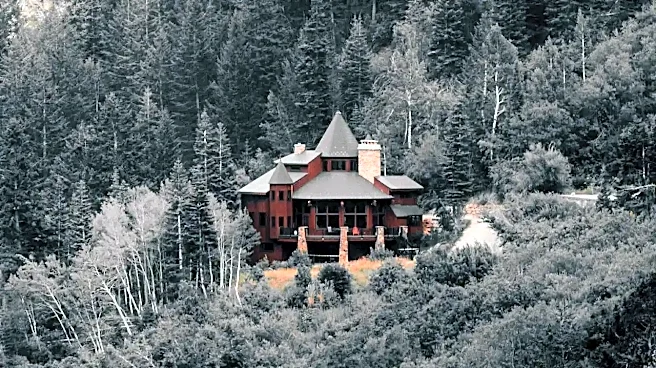
the familiar. The show begins by presenting a cozy, almost cliché slice of small-town America, complete with a charming diner, towering Douglas firs, and quirky but lovable locals. It feels like the setting of a comforting soap opera, a genre it actively parodies. But beneath this wholesome veneer lies a deep, rotting darkness of abuse, incest, and supernatural evil. This juxtaposition of the mundane and the monstrous is a hallmark of the “Lynchian” style. The terror doesn’t come from a foreign threat; it comes from the realization that the smiling neighbor, the homecoming queen, and the very fabric of the community are haunted from within. This makes the world feel fundamentally unsafe in a way a ghost in a graveyard never could.
The Unsettling Hum of Dread
Slasher films use sharp, sudden musical stabs to signal a jump scare. 'Twin Peaks' opts for a more atmospheric and deeply unsettling approach. The iconic score by Angelo Badalamenti, created in close collaboration with Lynch, is a character in itself. Themes of dreamy, synth-heavy jazz can suddenly shift into something dissonant and menacing, creating a constant, low-grade anxiety. Beyond the score, Lynch’s sound design is a masterclass in making the ordinary feel threatening. The hum of electricity, the distorted whisper of a spirit, the repetitive skipping of a record player, or the simple whoosh of wind through the trees become sources of dread. This auditory landscape makes scenes feel active and pressurized even when nothing is happening on screen. It bypasses the momentary shock of a loud noise and instead cultivates a lingering feeling of unease that crawls under your skin and stays there.
Characters from the Uncanny Valley
The monsters of typical horror are often clearly defined: vampires, zombies, or ax-wielding maniacs. The entities in 'Twin Peaks' are far more psychologically disturbing because they operate in the uncanny valley—the space where something is familiar but unsettlingly wrong. Figures like the demonic spirit BOB are terrifying not just because they are evil, but because they look like ordinary, if unsettling, people. The inhabitants of the otherworldly Black Lodge, like The Man from Another Place, speak in distorted, reversed syntax and move with a strange, dreamlike logic that feels both intentional and broken. This is amplified by the use of doppelgängers, or doubles—from Laura Palmer’s look-alike cousin Maddy Ferguson to Agent Cooper’s own evil twin—a classic psychoanalytic concept that taps into a primal fear of a corrupted self. These aren't monsters you can easily understand or categorize; they are twisted reflections of humanity, making them profoundly more frightening.
The Horror of Unanswered Questions
Most horror stories provide a sense of closure. The monster is vanquished, the curse is lifted, and the final survivors escape. 'Twin Peaks' denies its audience this comfort. While the central mystery of “Who killed Laura Palmer?” is eventually solved, the show’s deeper questions about the nature of good and evil, the meaning of its surreal dream sequences, and the fate of its hero are left deliberately ambiguous. The series finale famously ends on a terrifying cliffhanger, trapping its protagonist in a nightmarish dimension and unleashing his evil double upon the world. This refusal to explain everything is central to its horror. Conventional scary stories end, but the dread of 'Twin Peaks' is cyclical and infinite. The evil isn't defeated; it simply waits. This leaves the viewer with a lasting sense of cosmic horror, a feeling that some doors, once opened, can never be closed.