
A Rebel Yell Against the Establishment
The year is 1973. When ABC loses the rights to broadcast the Grammy Awards, TV impresario Dick Clark sees an opportunity. He feels the Grammys are stuffy, out of touch, and ruled by an insular group of industry
insiders. His solution? The American Music Awards, a show where winners aren't chosen by critics or academy members, but by the public—the people actually buying the records. This foundational principle—prioritizing popular taste over critical acclaim—made the AMAs an immediate hit. It was less a formal ceremony and more a celebration of what was genuinely dominating the charts and car radios across the country. This fan-first DNA is crucial to understanding its most forward-looking award, the one that serves as a public mandate for a rising star.
Crowning the Next Big Thing
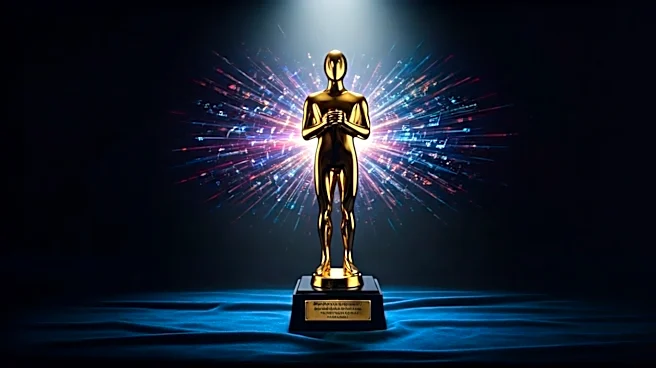
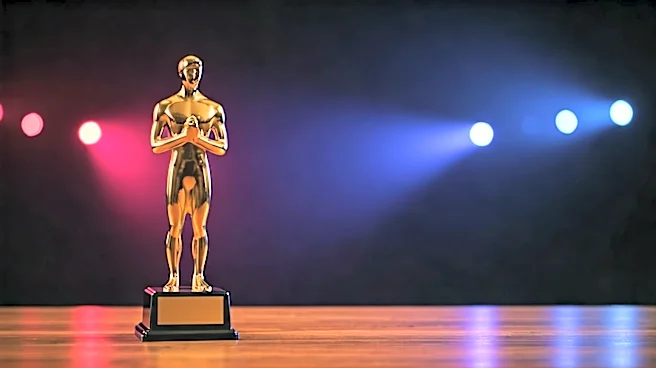
Every awards show needs a category that generates buzz, a crystal ball that points to the future. For the AMAs, that's the Favorite New Artist award. While its name has varied slightly over the decades, its purpose has been constant: to identify the year’s most explosive breakthrough act. Winning this award isn't just a trophy; it's a coronation by the fans themselves. It's a declaration that an artist has transcended the noise and forged a real connection with the mainstream audience. From its earliest days, the category has been a battleground for pop, rock, R&B, and country's most exciting newcomers, each vying for a title that promises a career of more than just one hit single.
When the Promise Paid Off
The AMA's track record for picking future legends is surprisingly strong. This is where the “durable promise” comes in. In 1990, the award went to a young duo named Milli Vanilli, a notorious misstep, but the following year, it went to Mariah Carey. Her five-octave range and songwriting prowess would define the decade. In 2002, Alicia Keys took home the prize, beginning a decades-long career as a respected R&B powerhouse. Britney Spears, a cultural phenomenon, was recognized in 2000. Later, Taylor Swift, Carrie Underwood, and Lady Gaga would all receive the AMA nod early in their careers, validating the fans’ intuition. These wins weren't just lucky guesses; they were acknowledgments of artists who had the talent, image, and work ethic to build lasting empires. For every one of these artists, the Favorite New Artist award acted as the first major confirmation that they were here to stay.
The Gambles and Gentle Fades
Of course, no crystal ball is perfect. For every Mariah Carey, there’s a winner who shines brightly before fading. The award isn't a guarantee of longevity, but a snapshot of a moment in time. Rick Astley, a 1988 winner, became a global sensation (and later, an internet meme), but never replicated the massive success of his debut. Macy Gray, who won in 2000 alongside Britney Spears (in a split-category year), had a singular voice and a massive hit with “I Try,” but struggled to maintain that commercial momentum. These aren't failures; rather, they highlight the brutal difficulty of staying on top in the music industry. Winning Favorite New Artist is like getting a massive vote of confidence, but it's still up to the artist to deliver on that promise for years, or even decades, to come. The award’s history is littered with both icons and artists who perfectly captured a specific cultural moment, and there's a certain magic to both.