

The Pro-Primer Argument: A Perfect Canvas
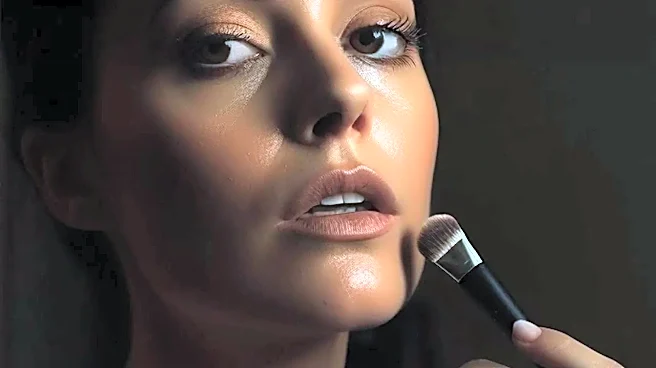
For many makeup artists, especially those working on television or long photoshoots, mattifying primers are an indispensable tool. The core purpose is to create a smooth, even surface for foundation to glide over. Most are formulated with silicone-based
ingredients that fill in fine lines and blur the appearance of large pores, creating a soft-focus effect. The primary draw is their ability to control oil and reduce shine, which means less need for constant powder touch-ups that can lead to a heavy, cakey look. For clients with very oily skin, a primer acts as a barrier, preventing natural oils from breaking down foundation and extending the wear-time of a finished look for hours. In this camp, primer is seen as essential insurance for a flawless, long-lasting application.
The Counterargument: Skincare Is the Real Primer
On the other side of the debate are influential artists who argue that a good primer is, in fact, good skincare. This philosophy suggests that instead of covering up an issue like oiliness, you should balance the skin itself. Makeup artists in this camp, including industry legend Bobbi Brown, often skip primers entirely, finding they can feel unpleasant on the skin. They believe that many mattifying products strip the skin of its natural oils, which can paradoxically trigger the skin to produce even more oil to compensate, creating a vicious cycle. Instead of a silicone-heavy layer, these artists focus on a meticulous skin prep routine involving hydrating mists, lightweight moisturizers, and targeted serums to create a naturally balanced canvas.
When Mattifying Primers Go Wrong
The disagreement isn't just philosophical; it's also about performance issues. One of the biggest complaints from primer skeptics is that they can cause makeup to look worse, not better. If a primer isn't compatible with the foundation layered on top—for instance, mixing a water-based primer with a silicone-based foundation—it can cause the makeup to separate, pill, or slide right off. Applying too much primer can also lead to a greasy or overly textured look. Some artists and users find that certain formulas are too drying, making foundation cling to dry patches and look cakey, particularly in areas that aren't oily. In these instances, the primer, meant to solve a problem, actually creates several new ones.
The Alternative: A 'Less Is More' Approach
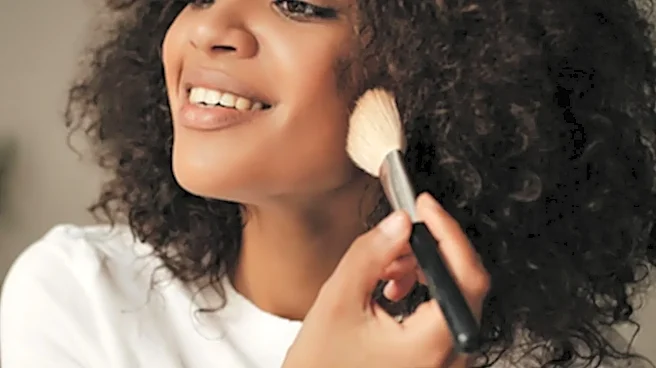
So, what do artists who ditch the primer do to control shine? Their method focuses on technique over a single product. After thoroughly prepping the skin with moisturizer, they might use a very small amount of a pore-blurring or mattifying product only in specific areas, like the T-zone, rather than all over the face. Another popular professional technique is to use a high-quality foundation and then strategically apply a very fine, translucent setting powder with a brush or puff, pressing it into the skin in oily areas before and after foundation. This helps absorb oil at the source without adding a thick, uniform layer. Finally, many prefer to rely on a good setting spray to lock everything in place and use blotting papers for minor touch-ups throughout the day. This approach keeps the skin looking more like natural skin and less like a perfectly matted surface.