








They Are Designed for Style, Not Just Fandom
Let’s be honest: most American sports apparel is designed for the stadium. An NFL or NBA jersey, with its boxy cut and billboard-sized numbers, can be hard to pull off anywhere but a sports bar or your couch. Soccer jerseys, particularly those designed for major
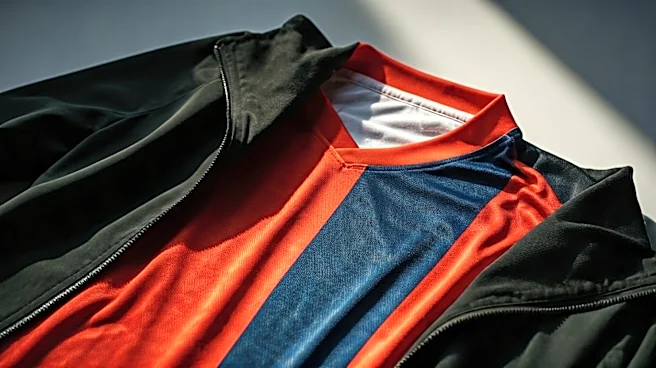
tournaments like the World Cup or the Euros, are different. They are born from a fusion of athletic performance and national fashion identity. Brands like Nike, Adidas, and Puma treat these releases like major fashion drops, collaborating with designers to create patterns, textures, and colorways that look just as good with jeans or shorts as they do with cleats. The silhouette is more tailored and athletic, hugging the body in a way that’s flattering rather than overwhelming. It’s a piece of sportswear that thinks it’s a designer polo.
They Tell a Global Story
Wearing a Chicago Bears jersey says one thing: you’re a fan of the Bears. Wearing a Nigerian, Japanese, or Danish national team jersey tells a much more complex and interesting story. It can signal heritage, a travel memory, an appreciation for a country’s culture, or a fondness for its style of play. These jerseys are global conversation starters. They’re a wearable passport stamp, connecting you to a worldwide community that transcends city or state lines. While a club jersey represents a team, a national kit represents an entire country’s pride, history, and artistic sensibility, all woven into a single piece of polyester. It carries a weight and a narrative that most domestic team apparel simply can’t match.
The Rise of 'Blokecore' and Streetwear Cred
Fashion is cyclical, and right now, the soccer jersey is king. The aesthetic known as “blokecore”—a throwback to the casual style of British football fans in the ‘80s and ‘90s—has exploded on social media and in streetwear circles. Pairing a retro or modern soccer kit with casual jeans and sneakers is no longer a niche look; it’s a certified trend. This gives the soccer jersey a versatility that other fan gear lacks. You can wear it to a music festival, a coffee shop, or a backyard barbecue without looking out of place. It has achieved a level of cultural acceptance where it’s seen as a fashion choice first and a fan item second, something that can’t be said for a foam finger or a snapback with an oversized logo.
Superior Comfort and Wearability
On a purely practical level, soccer jerseys are just more comfortable for everyday life. They are engineered for elite athletes running for 90 minutes in all conditions. That means they are incredibly lightweight, breathable, and made with moisture-wicking technology. Compare that to a thick cotton hoodie, a scratchy screen-printed tee, or a heavy, multi-layered baseball jersey. On a hot summer day, which would you rather be wearing? The performance fabric of a modern soccer jersey feels cool against the skin and dries in an instant, making it the perfect choice for an active lifestyle, even if your most strenuous activity is walking to get an iced coffee.
It’s a More Subtle Form of Fandom
Unless you’re wearing the jersey of a global superstar like Messi or Mbappé, a national team kit allows for a more subtle expression of support. You’re not necessarily rooting for a single, high-paid player; you’re appreciating the collective, the country, or simply the beautiful game itself. There are no giant player names dominating the back, just a number and a national crest on the front. This makes it feel less like hero worship and more like a stylish nod to the sport. You can admire the aesthetic of the French kit or the bold design of Mexico’s jersey without ever having watched a full match, and no one will bat an eye.