








The Promise and the Peril
First, let’s define our terms. A ‘Golden Generation’ refers to an exceptionally talented group of players of a similar age emerging for one country at the same time. Think of it as a nation hitting the talent lottery. Suddenly, a country that has historically
been mediocre, or merely good, has a squad bursting with world-class potential. On paper, it’s the dream: a once-in-a-lifetime shot at a World Cup or continental trophy. The problem is that soccer isn’t played on paper. The label itself creates a suffocating pressure cooker. Every tournament becomes a referendum on destiny, and the clock is always ticking. This isn’t just a team; it’s a project with a deadline, and failure to win a major trophy is seen not just as a disappointment, but as a historic waste.
Ghosts of Generations Past
History is littered with the cautionary tales of Golden Generations that buckled under the weight of expectation. For two decades, England’s press anointed the era of David Beckham, Steven Gerrard, Frank Lampard, and Wayne Rooney. They were sublime club players who, together, never made it past a World Cup quarterfinal. The pressure to accommodate all the stars, the tactical inflexibility, and the sheer weight of a nation’s hope proved too much. More recently, Belgium’s squad featuring Kevin De Bruyne, Eden Hazard, and Romelu Lukaku was tipped for glory for nearly a decade. They achieved a third-place finish in 2018 but ultimately went home empty-handed, a testament to how easily a golden window can close. The rare exception that proves the rule is Spain, whose tiki-taka masters (Xavi, Iniesta, Casillas) turned their label into a dynasty, winning two Euros and the 2010 World Cup. But their triumph is notable for its rarity.
America's Golden Ticket
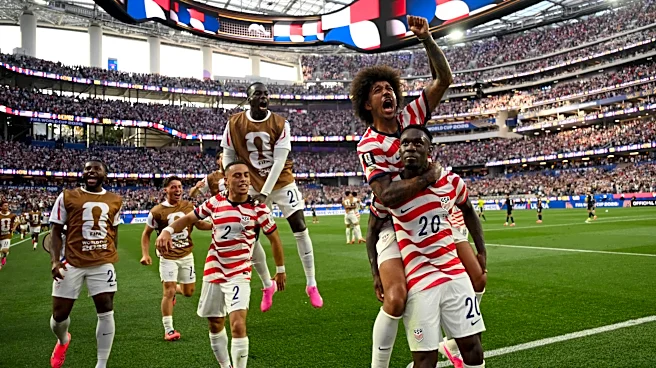
This brings us to 2026 and, most pointedly, the U.S. Men’s National Team. The current crop of American players is arguably the most talented the country has ever produced. Christian Pulisic, Weston McKennie, Tyler Adams, Gio Reyna, Yunus Musah, and Folarin Balogun are all playing at high levels in top European leagues. They are young, technically skilled, and entering their athletic prime. With the World Cup being co-hosted in the United States, the narrative is almost writing itself. This is America's Golden Generation, on home soil, with a chance to change the perception of U.S. soccer forever. The storyline is intoxicating. But as we’ve seen, that storyline is also a heavy burden. Every lineup decision, every group stage result, will be scrutinized through the lens of “Is this the team that will finally deliver?”
How the Narrative Shapes the Game
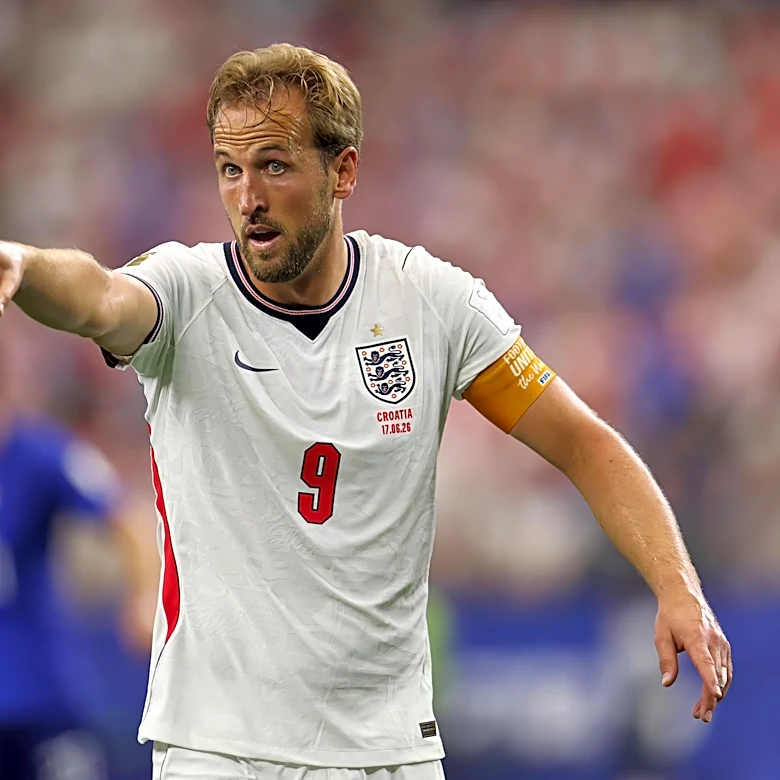
The “Golden Generation” talk will shape the 2026 tournament in three key ways. First, it sets the media agenda. For teams like the USA and England—whose young stars like Jude Bellingham and Bukayo Saka have them carrying the same label—the coverage won’t be about whether they can have a good tournament; it will be about whether they can win the whole thing. This creates immense external pressure. Second, it influences internal dynamics. Does the coach feel forced to play the big names, even if they don't fit the system? Do players feel the tension of a now-or-never opportunity? Third, it frames the definition of success. For the USMNT, a quarterfinal run would normally be seen as a massive achievement. But for a “Golden Generation” playing at home? Anything less than a semifinal appearance might be framed as a failure. The label moves the goalposts before a ball is even kicked.