

The Deception of Simplicity
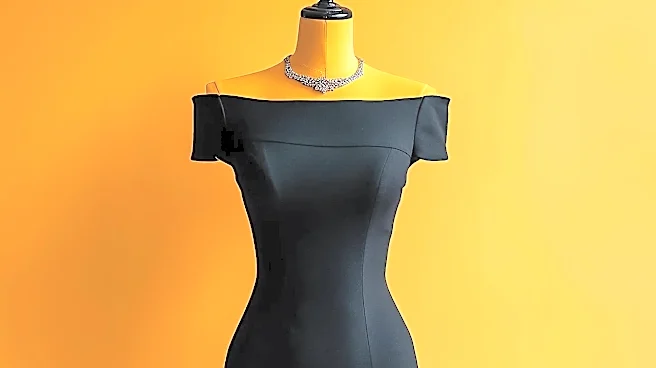
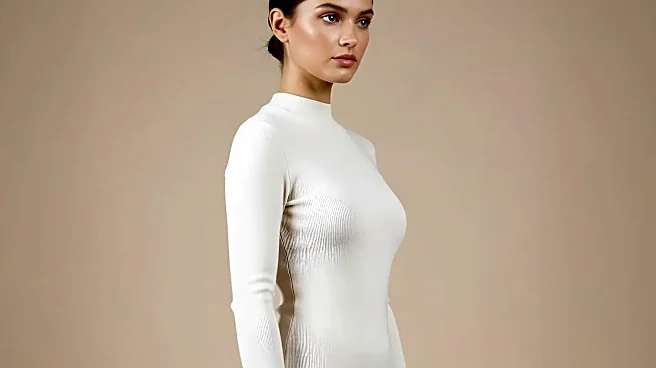
A column dress is defined by its straight, narrow shape that falls from the shoulders to the hem, creating a clean, unbroken vertical line. Unlike A-line or ball gowns that flare out, the column skims the body without adding volume. Its power lies in this
minimalism, projecting an effortless, modern elegance. But this simplicity is exactly what makes it so demanding. With no dramatic shapes, ruffles, or layers to distract the eye, the focus shifts entirely to three things: the fit, the fabric, and the person wearing it. There's simply nowhere for a design to hide its flaws—or for the wearer to conceal anything they’d rather not.
The Unforgiving Silhouette
The primary challenge of the column dress is that it follows the body's natural line very closely. While it doesn't cling like a bodycon dress, its straight cut means it doesn't create a shape of its own; it reveals the one you already have. For those with a naturally straight or lean frame, this can be effortlessly flattering, creating a statuesque look. However, if the fit isn't perfect, it can go wrong quickly. A dress that’s too tight will pull and create wrinkles, and one that’s too loose can look like a shapeless sack. Because it lacks built-in shaping, every detail of its interaction with your body—from the curve of your hips to the line of your shoulders—is on full display. Tailoring is almost always non-negotiable.
Fabric Is the Deciding Factor
With a silhouette this simple, fabric does all the heavy lifting. The material's weight and drape determine whether the dress will skim your figure gracefully or cling to every lump and bump. A thin, flimsy jersey will show everything, while a heavy stretch crepe or a structured satin has enough weight to hang properly, smoothing over the body instead of highlighting imperfections. This is where many column dresses fail. A low-quality fabric, even in a simple shape, will almost always look cheap and unflattering. The minimalist design requires a luxurious material—silk, velvet, or a high-quality crepe—to achieve its intended elegance.
A Statement Gown’s Secret Weapon
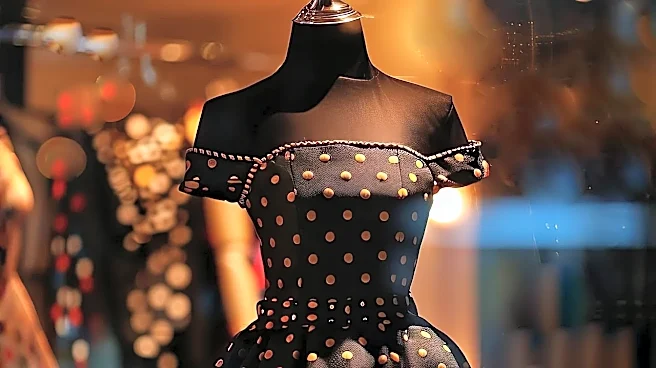
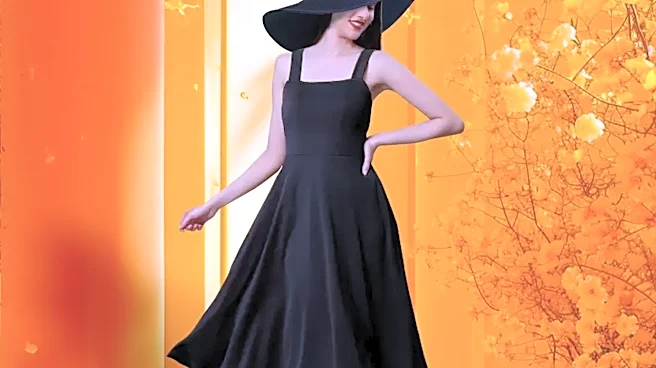
In contrast, a statement gown often works like a magic trick. It uses structure, volume, and embellishment to create its own ideal silhouette. A ball gown cinches the waist and hides the hips and legs completely under layers of tulle. A mermaid dress creates dramatic curves, while an A-line gown is famously forgiving, flattering nearly every body type by defining the waist and gently flaring out. These dresses are architectural. They have internal construction like boning, structured bodices, and layers of crinoline that do the shaping for you. Embellishments and bold patterns are also strategically used to draw the eye where the designer wants it to go, creating focal points that can balance proportions.
Making the Column Dress Work for You
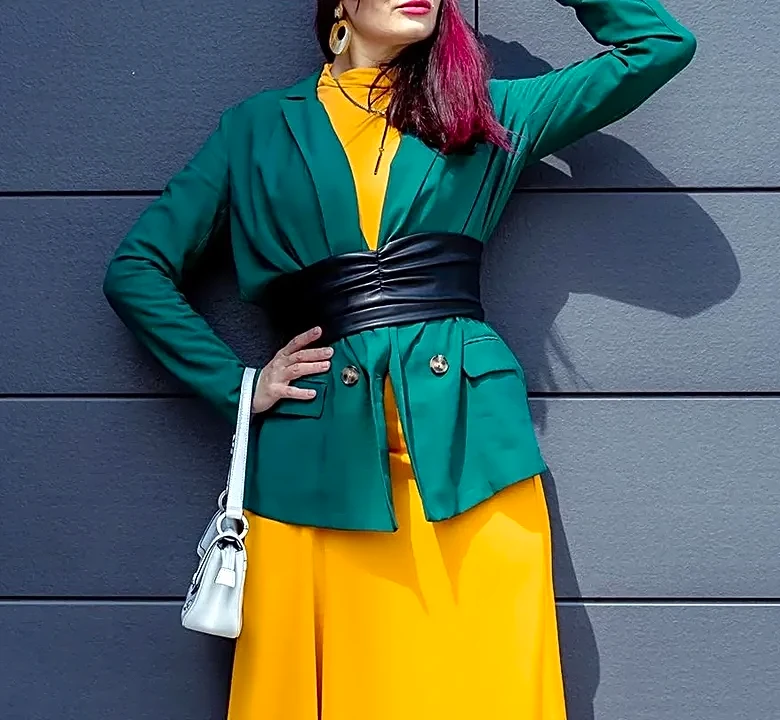
So, is the column dress only for a select few? Absolutely not. The key is to approach it with intention. First, prioritize fit above all else; find a great tailor who can perfect the seams so the dress hangs just right. Second, choose your fabric wisely, opting for materials with some weight and structure. Finally, use styling to your advantage. Since the dress itself is a blank canvas, accessories play a huge role. A belt can create waist definition where there is none. A sharp, pointed-toe heel will continue the long, vertical line. And the right piece of jewelry, be it a statement earring or a delicate necklace, can elevate the entire look from simple to stunning. It’s a dress that demands a point of view, but when you get it right, the effect is pure, unadulterated confidence.