




Lesson 1: Master the Art of Scarcity
Art galleries understand that value is intrinsically linked to scarcity. They don't flood the market. Instead, they carefully control inventory, strategically releasing works to maintain exclusivity and drive demand. This isn't just about limited editions;
it's a mindset. For fashion designers, this means resisting the pressure of constant, high-volume drops. The gallery model suggests that producing less, but making each piece more significant, can create a more powerful and lasting brand. Think of it as the difference between a collectible masterpiece and a mass-produced print. By limiting availability, brands can transform a simple product into a coveted item, shifting the consumer mindset from 'customer' to 'collector'.
Lesson 2: Sell a Narrative, Not Just a Product
A painting's price isn't just for the canvas and paint; it's for the story behind it. Galleries are masters of narrative, building an entire context around an artist and their work. They host talks, publish essays, and curate exhibitions that tell a compelling story, giving the art intellectual and emotional weight. Fashion often relies on fleeting celebrity endorsements or seasonal campaigns. Imagine if, instead, a collection was presented with the depth of an exhibition, with each garment contributing to a larger narrative about the designer's vision, materials, or cultural inspiration. This approach turns clothing into a piece of a larger world, fostering a deeper connection with the audience that goes beyond a simple transaction.
Lesson 3: Cultivate Careers, Not Just Seasons
The fashion industry operates on a relentless, unforgiving seasonal calendar. In contrast, art galleries often play the long game, investing in an artist's career over years or even decades. They act as strategic partners, guiding an artist's development, managing their market presence, and building their legacy step by step. This long-term vision fosters innovation and protects the artist from burnout. Designers could benefit from a similar approach, focusing on a consistent, evolving vision rather than reinventing themselves every six months. This allows for the development of a true brand identity and a loyal following that grows with the designer, creating a more sustainable and creatively fulfilling career path.
Lesson 4: Make the Physical Space an Event
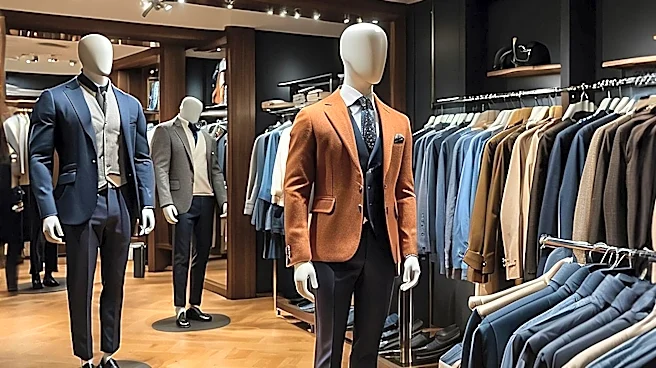
A white-cube gallery is not a neutral space; it's a carefully designed environment meant to inspire reverence and focus attention. The gallery itself is part of the experience, a temple for art that signals value and importance. While fashion has its blockbuster runway shows, the everyday retail experience often falls flat. The lesson here is to treat every physical touchpoint—from flagship stores to pop-up shops—as a curated exhibition. The space should tell the brand's story, create an immersive atmosphere, and make the act of encountering the product feel significant. It's about creating an aura that elevates the product long before it's even touched.
Lesson 5: Build a Community of Advocates
Successful galleries don't just sell to anyone; they cultivate a network of dedicated collectors, critics, and curators who become long-term advocates for their artists. They build personal relationships, understand their clients' tastes, and foster a community around the art. For fashion brands, this translates to moving beyond transactional loyalty programs. It means building a genuine community of people who feel a deep connection to the brand's values and vision. By engaging a core audience on a more meaningful level, designers can create a powerful network of advocates who provide stability and support that outlasts any fleeting trend.