


The All-Too-Common Liquid Glow Trap
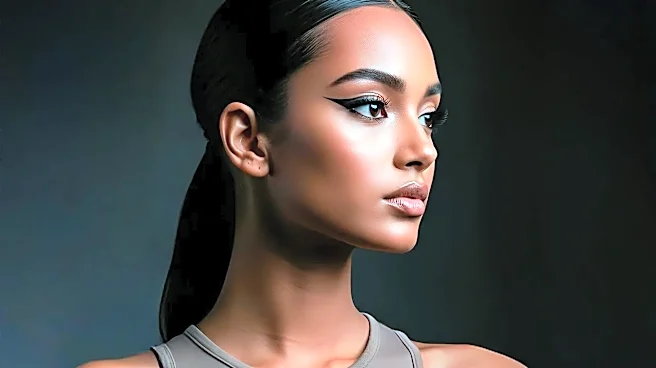
When picturing a sun-kissed look, most of us imagine a dewy, liquid-based highlight that melts into the skin. In indoor or evening light, these formulas are fantastic, creating a fresh, hydrated radiance. However, direct, overhead sunlight is unforgiving.
What looks like a subtle sheen indoors can look like a stripe of metallic glitter or an oily patch under the harsh light of a summer afternoon. Cream and liquid highlighters sit on the skin and create a concentrated, mirror-like reflection. This can emphasize skin texture, such as pores or fine lines, and mix with sweat and natural oils, causing the product to slide or look greasy within hours. The heat and humidity of summer already encourage our skin to produce more oil, and adding a heavy, emollient highlighter on top can be a recipe for a makeup meltdown.
The Powder Difference: Diffusion, Not Reflection
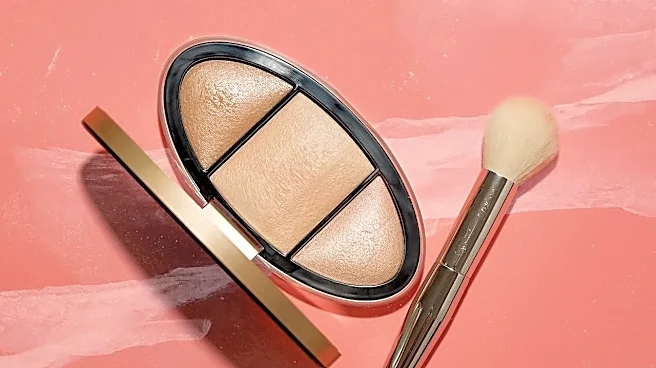
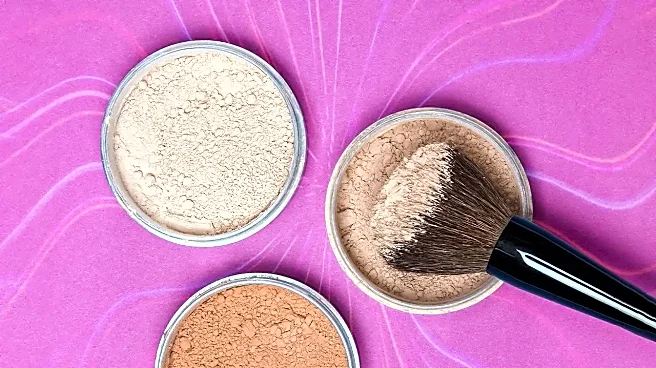
This is where powder highlighter makes its triumphant entrance. Unlike its liquid and cream counterparts, a finely milled powder highlighter doesn't create a single, harsh point of reflection. Instead, its tiny particles work to diffuse bright light, scattering it for a softer, more forgiving glow. Think of it as the difference between a mirror and a piece of frosted glass; one creates a sharp glare, while the other provides a soft, luminous blur. This diffused effect is far more flattering in direct sun, as it gives the illusion of a lit-from-within radiance rather than a product sitting on top of your skin. Because powders are inherently better at controlling shine, they are a natural fit for oily or combination skin, or for anyone on a hot, humid day.
Application Is Everything for a Natural Finish
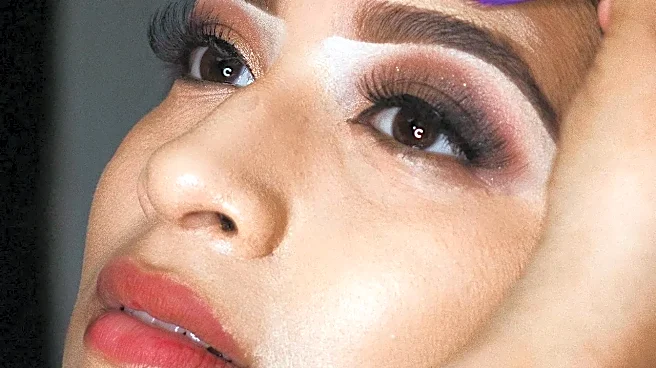
Of course, the key to making powder work is all in the application. The goal is a seamless glow, not a chalky stripe. First, choose the right tool; a light, feathery fan brush or a small, fluffy tapered brush will deposit a sheer layer of product. Avoid dense brushes, which can pack on too much pigment. Instead of swiping, use a light dusting or stippling motion on the high points of the face where the sun would naturally hit: the tops of the cheekbones, the bridge of the nose, and just under the brow bone. It’s always easier to build up the intensity than to take it away, so start with a small amount of product and add more only if needed. Applying powder highlighter after your foundation and any cream products, but before a final setting spray, will help it meld with the skin for a more natural finish.
Choosing the Right Powder for the Job
Not all powder highlighters are created equal. For a sun-friendly glow, you'll want to avoid formulas with chunky, obvious glitter particles, which can look juvenile and unnatural in bright light. Look for powders described as “finely milled,” “buttery,” or “baked.” These textures are often smoother and impart a sophisticated sheen rather than a shower of sparkles. Baked formulas, or “gelée” highlighters, offer a hybrid texture that has the smoothness of a cream but the lasting power and light-diffusing properties of a powder. The shade also matters. Choose a color that complements your skin tone for the most natural effect; champagne, soft gold, or peachy tones often mimic the skin’s natural warmth beautifully. When a highlighter is too dark or ashy, it can look muddy in the sun.