







The Arconia Is the Fourth Main Character
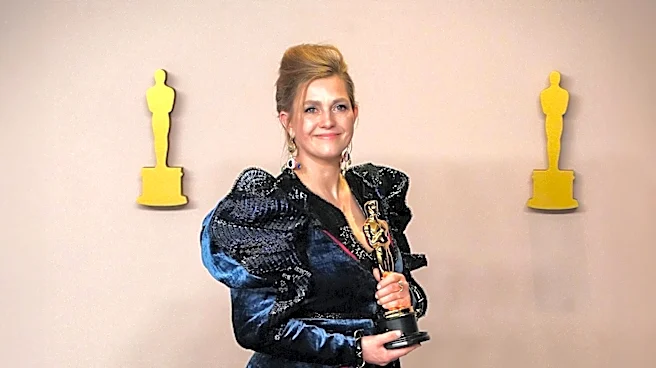
More than just a setting, the Arconia is the show’s anchor. Production designer Curt Beech, who won an Emmy for his work, approached the building as a central character with a rich history. Because filming inside the real-life Belnord building wasn't
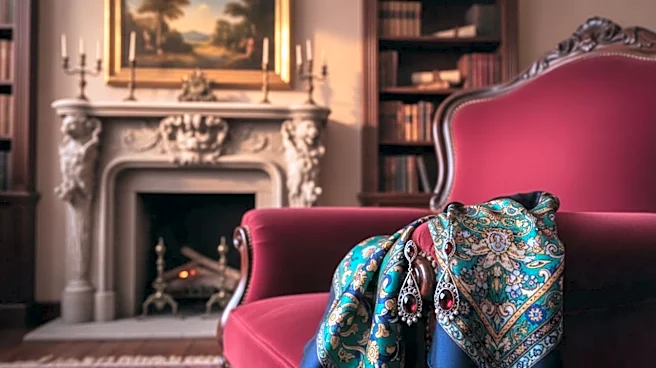
feasible, nearly all the interiors had to be built from scratch, giving the team immense creative control. This allowed them to design each apartment to be a perfect reflection of its inhabitant's psychology. Charles’s apartment is updated and orderly, reflecting the taste of a retired actor who once had money and appreciates fine things, while Oliver’s is a theatrical, charmingly cluttered space filled with playbills and props from his past life as a Broadway director. Mabel’s apartment, by contrast, is a work-in-progress, stripped down and under renovation, visually mirroring her own transitional and vulnerable state. The budget went into making these spaces feel not just decorated, but authentically lived-in and layered with personal history, creating a believable microcosm of New York City life.
A Wardrobe That Solves Mysteries
The show’s costumes are so iconic that costume designer Dana Covarrubias jokes it's less a show about murder and more a show about coats. Each character's wardrobe is a core part of their development. For Charles (Steve Martin), a limited, repetitive color palette reflects a man who finds comfort in routine. For Oliver (Martin Short), a flamboyant theater director, the costumes are showier, full of rich fabrics and colors that scream 'Broadway.' But it’s Mabel’s (Selena Gomez) style that often steals the show. Each season, Covarrubias builds her look around a central theme. Season one was inspired by the Hardy Boys, while season two took a Hitchcockian approach. By season three, nearly every one of Mabel’s outfits was a subtle nod to a specific Broadway musical, from 'Little Shop of Horrors' to 'The Phantom of the Opera.' These choices aren’t just for aesthetics; they function as clever Easter eggs for attentive fans, weaving a mystery within the mystery.
The Colors of Cozy Crime
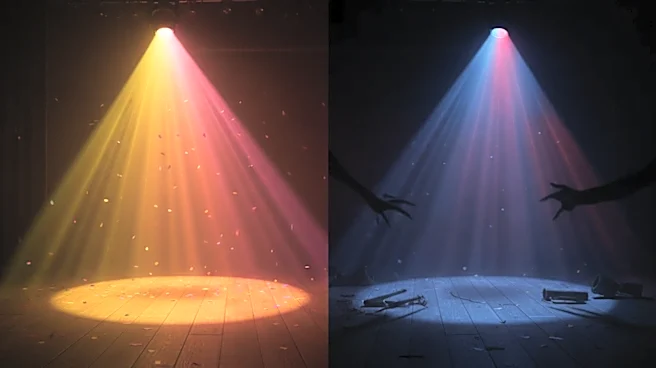
The show’s distinctive look owes a great deal to its cinematography and carefully chosen color palette. Cinematographer Chris Teague drew inspiration from classic Alfred Hitchcock films like 'Rear Window' and 'Vertigo,' as well as the noir aesthetic of Orson Welles's 'Touch of Evil.' The goal was to create something that felt classic and cinematic but with a modern, updated feel. This translates into a rich, autumnal palette of marigolds, deep reds, and moody greens that provides a sense of warmth and comfort. This cozy visual language creates a brilliant tension with the dark, mysterious crimes at the heart of the story. The lighting is meticulously planned, with a heavy reliance on practical fixtures within the sets to make the environments feel as real and immersive as possible. Even the decision to build sets with hard ceilings was a deliberate choice to allow for the low-angle, wide shots characteristic of classic noir, adding to the show’s signature cinematic quality.
Details That Tell the Full Story
Beyond the grand sets and statement coats, the show’s budget is evident in the countless small details that flesh out its world. Every prop and piece of set decoration is a storytelling opportunity. In Oliver’s apartment, for example, surfaces are littered with forgotten teacups, a subtle nod to a man who once had a housekeeper and still lives as if he does. The walls are covered in posters from his past productions, some of which are nods to the real-life theatrical backgrounds of the creative team. The art choices are also incredibly specific. A piece of art in Charles's kitchen, for instance, is a high-value print that signals his past financial success and discerning taste. These details, from the type of wallpaper to the specific light fixtures, are chosen to support the character backstories the writers and designers have created. Nothing is there by accident; every visual element is working to tell the story, making the world feel tangible and deeply considered.