





The Art of the Long Game
First, let’s define our terms. A slow-burn romance isn’t just a love story that takes a while to get going. It's a specific narrative craft built on sustained tension, where the journey to a relationship is the entire point. Think less 'love at first
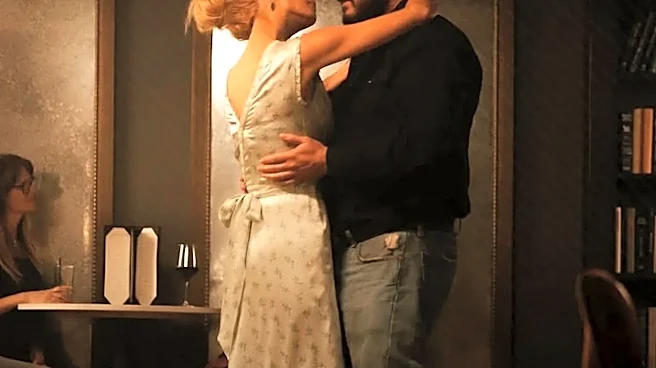
sight' and more 'lingering looks across a crowded room,' shared experiences, and a connection that deepens layer by layer. This isn't about stalling; it’s about earning the payoff. The story provides emotional breadcrumbs—tense arguments, unexpected moments of care, near-misses—that make the eventual union feel not just satisfying, but earned. We get to watch characters fall in love before they even realize it themselves, making the audience a participant in the delicious agony of 'will they or won't they.'
The Perfect Antidote to Binge Fatigue
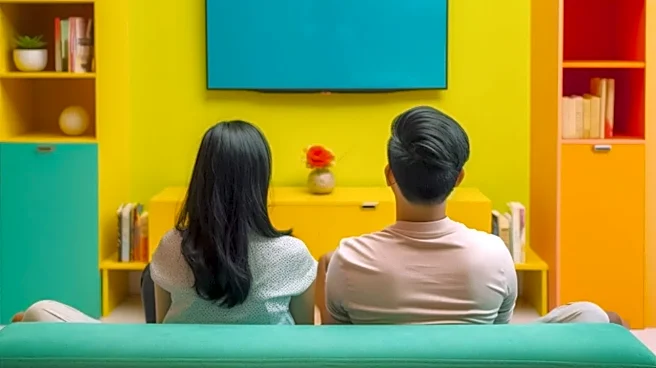
The binge-watching model, once revolutionary, is showing its limitations. While great for immersing viewers, it often leads to a show dominating the cultural conversation for a single weekend before vanishing. We consume, we forget, we move on. The slow burn, however, is intrinsically tied to a more deliberate viewing experience. It thrives on anticipation, the very thing the binge model was designed to eliminate. Recent studies show that weekly, or 'drip-feed,' episode releases significantly boost long-term viewer engagement and retention for streaming platforms. This model keeps a show in the cultural conversation for months, giving audiences time to theorize, debate, and build a community around the story. A slow-burn plot provides the perfect narrative engine for this weekly cadence, rewarding viewers who tune in week after week, making each small development feel like a major event.
A Modern Viewer Loyalty Loop
In a fragmented media landscape, capturing and holding audience attention is the new currency. A well-executed slow burn creates incredible viewer loyalty. Because the emotional investment is built over time, viewers become deeply attached to the characters and their journey. This isn't just about romance; it's about seeing a realistic, evolving connection that mirrors the complexities of real-life relationships. This trend is already visible in the global success of K-dramas, which have increasingly embraced slower, more authentic relationship development in response to audience demand for emotional realism. By delaying romantic gratification, writers have more space to develop richer characters and subplots, creating a more textured and rewarding world for viewers to inhabit. This creates a powerful loyalty loop: the deeper the character development, the more invested the viewer; the more invested the viewer, the more valuable the show becomes to the network or streamer.
What to Look For This Fall
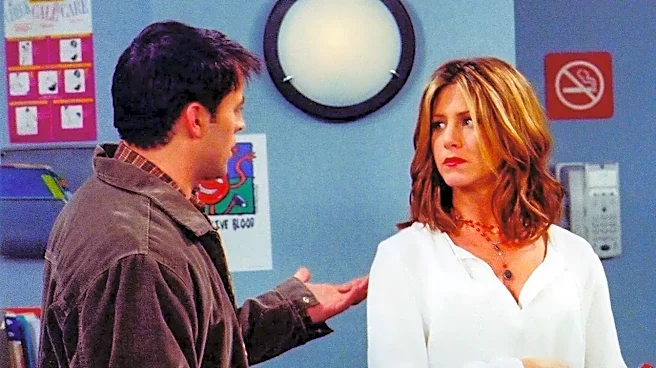
So what does this mean for the Fall 2026 television season? Expect to see new shows deliberately building their central relationships with restraint. Look for will-they-won't-they dynamics that aren't just a side plot but are central to the main story. These won't be your parents' sitcom setups where the tension is reset every week. Instead, modern slow burns will use season-long arcs to explore the nuanced, often messy, path to love. The secret weapon isn't just about two people taking a long time to kiss. It's a strategic move to combat viewer burnout, leverage the proven benefits of weekly releases, and foster the kind of dedicated fandom that can keep a show alive for years. It's a bet on the idea that in our fast-paced world, the most radical and rewarding thing a story can offer is the gift of anticipation.