



The September Gauntlet
The fall premiere season is a legacy of traditional broadcast television, a time when networks would launch their flagship shows to capture audiences and advertising dollars after the summer lull. Today, with streaming platforms dropping entire seasons
at once, the calendar is more chaotic, but September remains a high-stakes battleground. It’s a period of intense competition where dozens of new and returning series vie for attention. In this crowded market, making a strong first impression isn’t just important; it’s everything. Viewers are inundated with choices, and a show that feels generic or cheap can get lost in the shuffle before its first commercial break.
Authenticity You Can See
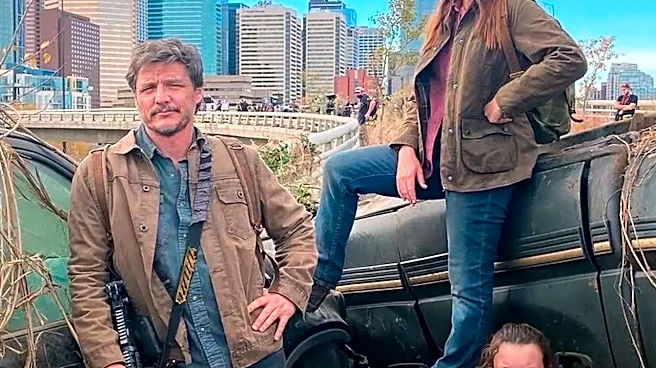
The default for many productions, especially multi-camera sitcoms, is a studio set. It's controlled, efficient, and predictable. You can manage lighting, sound, and weather without any real-world interference. But that control comes at the cost of texture. Location shooting, by contrast, grounds a story in reality. The unpredictable energy of a city street, the specific quality of light in a real landscape, and the lived-in details of an actual building add a layer of authenticity that is difficult to fake. When a series feels like it truly belongs to a specific place, that location becomes more than a backdrop; it becomes a character in its own right, enhancing the narrative and making the world feel more immersive.
Signaling Premium Quality
In the era of “Peak TV,” audiences have become more cinematically literate. They can often spot the difference between a set-bound series and one with the scope of a feature film. Shooting on location is a powerful signal of ambition and quality. It tells the audience that the producers have invested significant time, effort, and money to create a believable world. This cinematic feel can help a new show stand out, especially when competing against blockbuster streaming series with massive budgets. A sprawling, epic fantasy needs to show real mountains, and a gritty urban drama gains credibility from being filmed on actual city streets. This visual richness helps a premiere feel like an event, something worth paying attention to.
A Built-In Marketing Hook
A stunning, unique location is a gift to a show’s marketing department. The sweeping vistas of Montana in “Yellowstone” or the sun-drenched resorts in “The White Lotus” are not just part of the story; they are key selling points. Trailers, posters, and social media campaigns can be built around a show's evocative setting, creating immediate visual appeal that cuts through the promotional clutter. Furthermore, this focus on real places can create a phenomenon known as “set-jetting,” where fans travel to see the filming locations in person. This builds a dedicated fan community and generates organic buzz long after the premiere, turning a TV show into a cultural landmark and a tourism driver.
The Cost-Benefit Analysis
Of course, filming on location isn’t easy. It involves significant logistical hurdles, including securing permits, managing transportation for cast and crew, and dealing with unpredictable factors like weather and public interference. These challenges are why many productions opt for the controlled environment of a studio. However, governments and local film commissions often offer tax incentives and grants to attract productions, which can help offset the higher costs. For a September premiere needing to make a splash, the investment in a real-world setting can pay for itself in viewer engagement, critical acclaim, and the perception of a high-quality production worth sticking with for a full season.