



The Scale of the Spectacle
First, understand the raw material. CMA Fest isn’t just one big concert; it’s a city-wide takeover. Over four days, hundreds of artists perform across nearly a dozen stages, from free, fan-focused daytime sets at Riverfront Park to intimate acoustic shows.
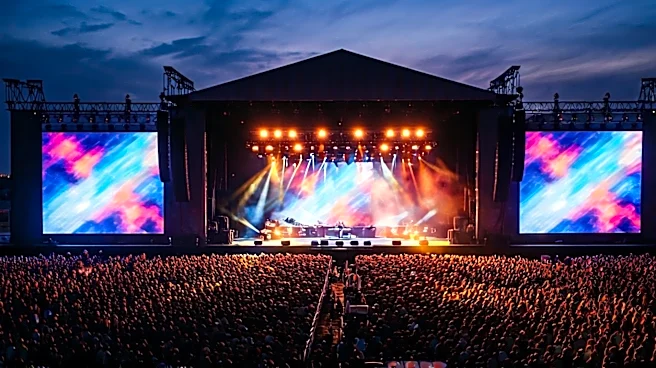
While many of these performances are for the live crowd only, the crown jewel for television purposes is the nightly concert series at Nissan Stadium, home of the Tennessee Titans. This is where country music’s A-list—think Luke Combs, Lainey Wilson, and Morgan Wallen—play to a crowd of over 50,000 people. These aren't one-song cameos; they are mini-sets, giving producers a wealth of high-quality footage to choose from.
Filming for the Living Room
The secret is that the Nissan Stadium shows are produced with television in mind from the very beginning. The lighting, the camera angles, the massive video screens—it’s all designed to look as good on a 65-inch TV as it does from the stadium's nosebleed seats. Multiple camera crews capture every moment, from wide shots of the roaring crowd to tight close-ups on a guitarist’s fingers. The goal is to capture not just the performance, but the energy. Longtime executive producer Robert Deaton has perfected a formula that treats the TV special as a distinct product, not just a simple broadcast of a live concert. He's looking for moments that tell a story.
Creating 'Television Moments'
Here’s where the real magic happens. The TV special is famous for its surprise collaborations and unique mashups. While some of these happen organically on stage, many are created in the editing bay. The producers might seamlessly cut between two artists who performed on different nights, making it feel like a dynamic duet. They can intercut a stadium performance with behind-the-scenes footage or an interview snippet to add emotional depth. The hosts, like 2024’s Jelly Roll and Ashley McBryde, act as the viewers' guides, stitching the disparate performances into a cohesive narrative. Their segments are often filmed separately, providing the glue that holds the three-hour package together and gives it a distinct primetime flow.
The Art of the Edit
Imagine sifting through more than 100 hours of multi-camera footage from dozens of performances to create a tight, 126-minute television show (after commercials). The editing process is a monumental task. Producers and editors spend weeks after the festival concludes, poring over every song. They’re not just picking the 'best' songs; they’re curating a playlist. They have to consider pacing, artist variety, and narrative arc. Does a high-energy anthem from one artist flow well into a heartfelt ballad from another? They select the cleanest vocals, the most exciting crowd reactions, and the most visually stunning shots to build a show that feels both epic and intimate. Familiar hits are given new life with slick graphics, impeccable sound mixing, and a narrative structure that you could never experience just by being there in person.