

The Power of the Cut
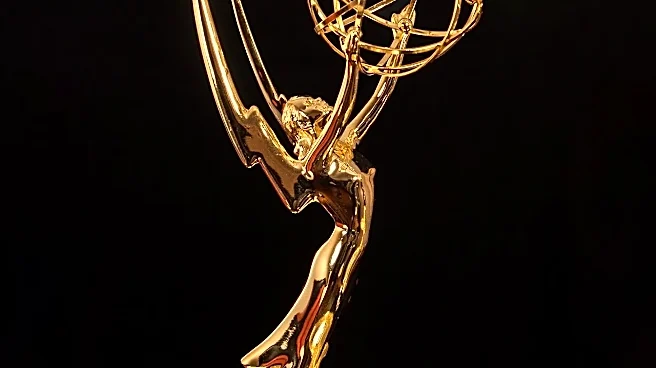
At this weekend's Creative Arts Emmys, the award for Picture Editing for a Nonfiction Program is far more than a technical honor; it’s a recognition of narrative power. Editing is the invisible hand that guides a viewer's understanding of events. It determines
which expert testimony feels credible, which historical figure appears sympathetic, and which sequence of events builds a compelling argument. By placing one shot after another, an editor can create connections, imply causation, or build emotional momentum where none existed in the raw footage. A two-second-longer hold on a subject's face can transform them from a stoic witness into a tormented soul. The rhythm of the cuts—fast and frantic for a chaotic event, slow and deliberate for a moment of reflection—is a form of storytelling in itself. A story about a complex political figure can be framed as a tragedy or a farce, a triumph or a cautionary tale, all depending on what ends up on the cutting room floor and in what order the remaining pieces are assembled.
Making the Past Present
The use of archival footage has evolved dramatically, moving beyond grainy, silent clips. Today’s top documentarians, often lauded in cinematography and special visual effects categories, treat archival material as a living element. They restore and colorize footage, not just for aesthetic appeal, but to dissolve the psychological distance between the past and present. When a black-and-white photo of a civil rights march is meticulously colorized and paired with immersive sound design, it stops being a flat historical document and becomes an immediate, visceral event. This technique can foster incredible empathy, allowing audiences to feel the weight of history. However, it also raises ethical questions. Does adding a dramatic score or sound effects to silent footage honor the subjects or manipulate the audience’s emotions? The best practitioners, like those celebrated at the Emmys, navigate this line carefully, using craft to immerse viewers in a historical moment without distorting the fundamental truth of the material.
The Score of History
Music is one of the most powerful tools in a filmmaker's arsenal, and in documentaries, it’s a crucial shaper of memory. The award for Music Composition for a Documentary Program recognizes this art. A score can tell an audience precisely how to feel about what they are seeing. A series of minimalist, contemplative piano notes over a shot of a former president can suggest introspection and regret, while a swelling, heroic orchestral piece can elevate that same figure to legendary status. Consider a documentary about a controversial war; a somber, string-heavy score might frame it as a national tragedy, while an aggressive, percussive soundtrack could portray it as a tale of valor. Sound design works in tandem with music. The subtle hum of fluorescent lights in an interrogation room or the amplified sound of a pen scratching on paper can create an atmosphere of tension and dread before a single word is spoken. This auditory landscape is a key part of how a film directs our emotional and intellectual response to historical events.
Whose Story Is It Anyway?
Beyond the technical aspects, the most fundamental craft choice is perspective. This is often reflected in the directing and writing awards. Who gets to be interviewed? Whose voice is centered as the narrator of events? For decades, history on screen was told from a singular, often top-down, perspective. Today, there is a growing movement to feature voices that were previously marginalized. A film about a major scientific discovery might choose to focus not on the famous head of the lab, but on the junior researchers whose contributions were overlooked. A documentary about a historical event might be constructed entirely from the firsthand accounts of those who lived it, eschewing a traditional, omniscient narrator. At this year's awards, a project like Mariska Hargitay's "My Mom Jayne" winning for both directing and as a Nonfiction Special underscores the power of a personal, deeply invested perspective in retelling a story we thought we knew. This choice—of who tells the story—is the ultimate craft, and it has the most profound ability to change how we, the audience, remember the past.