
The Mission: A Perfect Picture vs. A Flawless Performance
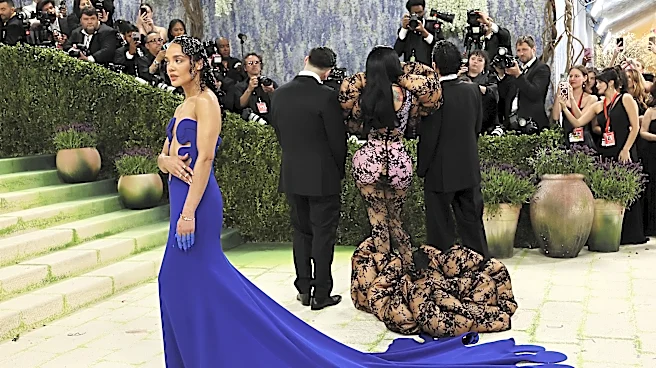
The fundamental difference lies in their primary function. A red-carpet corset has one job: to create an impossibly perfect, static silhouette for a few hours. Its goal is to look breathtaking in photographs
from every angle, often creating a dramatic hourglass shape that may not be comfortable but is undeniably striking. Many are internal structures, or 'corselettes', built directly into a gown to provide seamless support and shaping that remains invisible. Think of it as architectural scaffolding for the body, designed for maximum visual impact with minimal movement. It’s meant to be worn for a limited time, enduring the car ride, the photo line, and the ceremony before being gratefully removed. A stage corset, on the other hand, is a piece of high-performance athletic equipment disguised as a costume. Its purpose is to create a character's specific shape while allowing the actor to sing, dance, fight, and perform strenuous activities for hours on end, night after night. Comfort and mobility are not luxuries; they are non-negotiable necessities. The corset must support the performer's body and posture without restricting their breath or movement.
The Bones: Rigidity vs. Flexibility
The 'boning'—the rigid strips that give a corset its structure—is where the two types dramatically diverge. Historically, corsets used whalebone (baleen), but modern corsets use steel or plastic.
Red-carpet and high-fashion corsets often favor flat steel boning. This type of boning is made of rigid, nylon-coated spring steel that flexes forward and backward but not side-to-side. This makes it ideal for creating a smooth, flat front and providing intense cinching power at the waist. While incredibly strong, it can be restrictive. For purely aesthetic pieces or fashion corsets, lightweight plastic boning might be used, which offers shape but very little support.
Stage corsets almost always rely on spiral steel boning. Made of two steel wires coiled together, spiral steel is both strong and flexible, able to bend in multiple directions. This quality is crucial for performers, as it allows the corset to move with the body as it twists and turns. It provides support over curved seams without kinking or buckling, making it the superior choice for any garment that needs to withstand rigorous, repetitive motion.
The Construction: Sculpted Art vs. Durable Workhorse
A red-carpet corset, particularly one from a couture house, is a piece of art. It might be made from delicate materials like fine silks, lace, or embellished brocades that are not intended for heavy wear. The focus is on the exterior beauty and the seamless integration with the gown. Often, these are custom-molded to the celebrity's body in a static pose, ensuring a flawless fit for that one night.
A stage corset is built for war. Constructed from multiple layers of durable, non-stretch fabrics like cotton coutil or heavy-duty twill, it's designed to withstand sweat, strain, and constant laundering. The seams are reinforced, and boning channels are often stitched externally for durability and ease of repair. Unlike a red-carpet piece that might be worn once, a stage corset is part of a working wardrobe and may be used in hundreds of performances. Every element is chosen for strength and longevity.
The Fit: Cinching vs. Breathing
While both types shape the waist, how they achieve this is different. A red_carpet corset can be laced for maximum waist reduction, prioritizing the visual 'cinch' above all else. The fit can be extremely tight, as the wearer only needs to endure it for a short period.
A stage corset is fit with the performer's lung capacity as a top priority. A costume designer will work with the actor to ensure the corset provides shape without compromising their ability to take deep, diaphragmatic breaths needed for singing or projecting their voice. The fit is snug and supportive, not painfully restrictive. The lacing might be adjusted to be looser around the ribcage to allow for expansion. The process often involves multiple fittings and a 'seasoning' or break_in period where the corset gradually molds to the actor’s body. For a performer, a poorly fitted corset isn't just uncomfortable—it's a professional hazard.