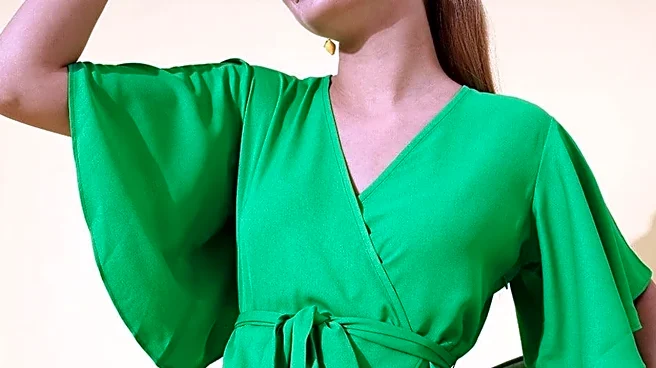


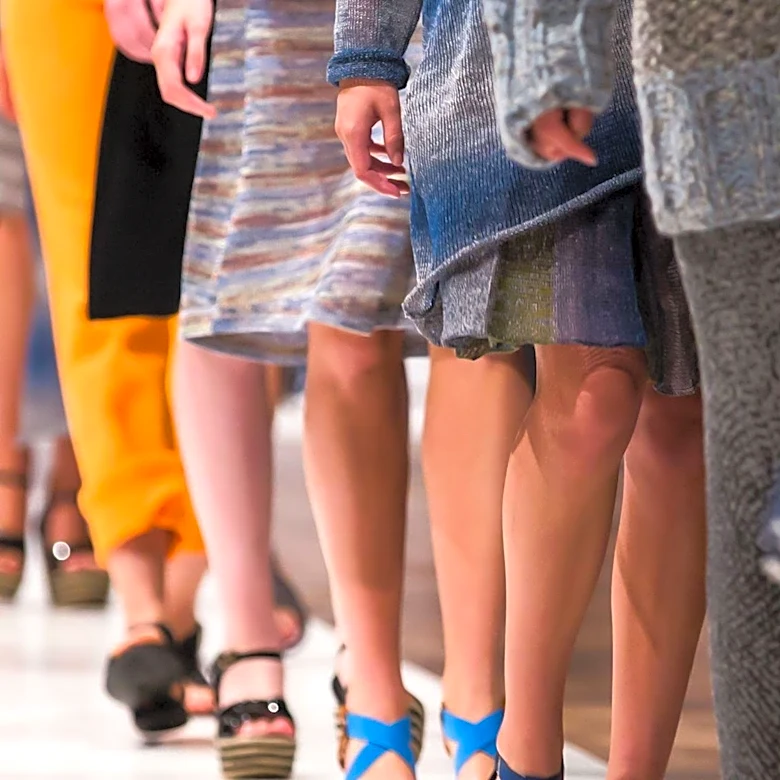


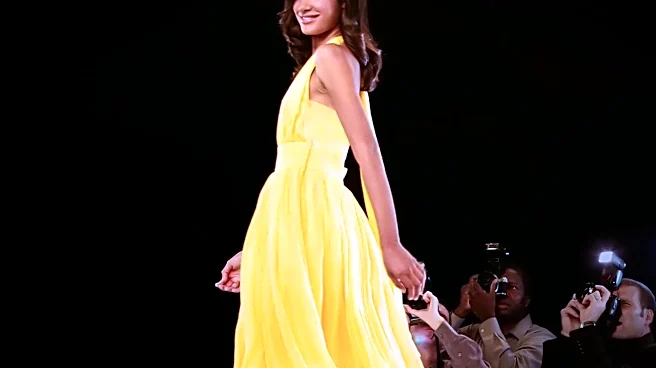
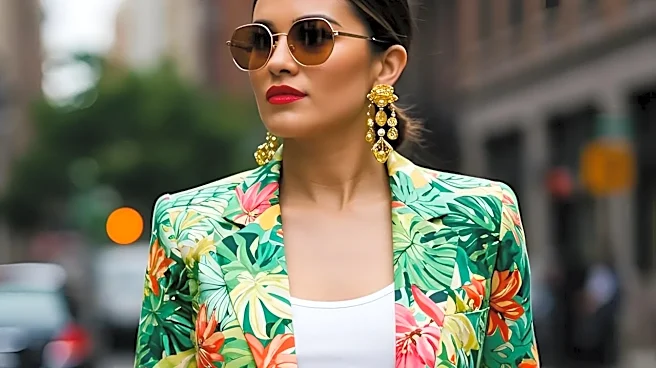

The dropped waist is back. Seen on runways from Chanel to Tory Burch, this 1920s-inspired silhouette is everywhere. But it can be tricky, often leaving you feeling lost in fabric. The secret isn't avoiding the trend, but mastering one simple rule.
The Allure and Anxiety of the Dropped Waist
First,
let's talk about why this silhouette is so captivating. By lowering the waistline to the hips, a dropped-waist dress or skirt creates a beautifully elongated torso. It has a certain nonchalant elegance, a callback to the Jazz Age and a rejection of rigidly cinched styles. The modern take feels fresh, architectural, and romantic. However, that same quality can create a proportional puzzle. Because the waist is visually lowered, it can make your legs appear shorter and your overall frame look wider or less defined if not styled correctly. This is the core anxiety: pulling it off without looking like you're wearing a stylish sack. The key isn't in having a specific body type, but in understanding balance.
The Golden Rule: Proportion Is Everything
The headline gives away the game: a controlled upper body is your greatest asset. When the bottom half of your outfit has volume or a low-slung focal point, the top half needs to provide structure and definition. Think of it as a balancing act. The dropped-waist seam and the flowing skirt below it add weight and visual interest to your lower half. If you pair it with a billowy or oversized top, you lose your shape entirely. A fitted or structured top, however, creates a clean line from the shoulder to the hip, highlighting the elongated torso the silhouette is meant to create. This contrast—a sleek top against a fuller, lower skirt—is what makes the look feel intentional and chic, rather than accidental and bulky. It re-establishes your natural waist area without a belt, providing a crucial reference point for the eye.
Your Upper-Body Toolkit: Three Perfect Pairings
So, what does 'controlled' look like in practice? It's simpler than you think. For a dropped-waist skirt, a fitted knit top or a simple bodysuit is a foolproof option. These pieces create a seamless, uninterrupted line that celebrates the long torso. For a dropped-waist dress, layering is your friend. A cropped jacket, whether a tweed blazer or a structured cardigan, is an excellent choice because its hem lands near your natural waist, providing that crucial definition. Another great option for either a skirt or a sleeveless dress is a classic, crisp button-down shirt. Worn tucked in, it offers structure; tied at the natural waist, it can create a peplum-like effect over the low-slung skirt, giving you shape while honoring the dropped waistline.
Finishing Touches That Elongate and Elevate
Once you've nailed the top, the right accessories can amplify the effect. Footwear is especially important for counteracting the potential legstretching effect of a dropped waist. Pointed_toe shoes, whether flats, mules, or heels, create a visual extension of the leg line. A shoe in a nude tone or a color that matches your tights can further enhance this elongating illusion. When it comes to jewelry, consider pieces that draw the eye upward, like statement earrings, to balance the low waistline. Avoid belting at the hips, which can fight with the silhouette's intended line. The goal is to keep the upper body clean and the leg line long, letting the dropped waist serve as the sophisticated focal point of the outfit.