

The look of a John Carpenter film is unmistakable: moody, widescreen, and dripping with atmospheric dread. He and his key DPs, like Dean Cundey, defined a visual language that filmmakers are still fluent in today. Here are the modern cinematographers
carrying that torch.
The Master of Mood: Dean Cundey
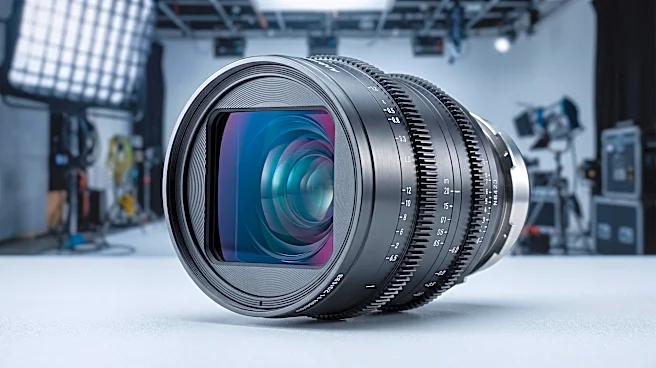
Before we look at the acolytes, we have to start with the master. Dean Cundey was the director of photography on 'Halloween,' 'The Fog,' 'Escape from New York,' and 'The Thing.' He is the architect of the 'Carpenter-esque' look. Cundey was a pioneer in using the Panaglide camera rig (a Panavision competitor to the Steadicam), which created those signature creeping, prowling camera movements that made you feel like you were seeing through the killer's eyes. His style is defined by its masterful use of shadows and bold, often blue, anamorphic lens flares that streak across the widescreen frame. What made their collaboration so powerful was the way they used the wide 2.35:1 frame not just for epic scale, but to create tension in the negative space. The audience is constantly scanning the edges of the screen, waiting for something to emerge from the darkness. Cundey even used subtle lighting tricks, like adding a glint of light in the eyes of human characters in 'The Thing' to subconsciously separate them from the imposters.
The Modern Carpenter: Mike Gioulakis
If there's one modern DP who feels like a direct spiritual successor to Cundey, it's Mike Gioulakis. His work on 'It Follows' is a masterclass in Carpenter-style suspense. Director David Robert Mitchell and Gioulakis explicitly cited Carpenter as an influence. They used wide lenses for the vast majority of the film, forcing the audience's eyes to scan the entire frame for the slow-moving threat, creating a constant state of paranoia. The film is filled with long, deliberate dolly shots and slow, menacing pans that build an almost unbearable sense of dread, just like the opening of 'Halloween.' Gioulakis has continued to explore atmospheric, wide-angle horror with directors like M. Night Shyamalan on films such as 'Split' and 'Glass,' proving his talent for making the space around the characters feel just as important and threatening as the characters themselves.
The Urban Noir Specialist: Greig Fraser
While not exclusively a horror DP, Greig Fraser's work on 'The Batman' is pure urban noir dread that shares a significant amount of DNA with Carpenter's 'Escape from New York.' Fraser and director Matt Reeves crafted a Gotham City that is perpetually dark, grimy, and rain-slicked, using anamorphic lenses to capture the distorted, imperfect city lights. Fraser’s philosophy was to create a world that was 'dark but light,' meaning there were always pools of light amidst the oppressive shadows, drawing the eye and creating texture. Like Cundey's work on 'The Thing,' the lighting in 'The Batman' feels motivated and realistic, even at its most stylish. He prefers to find menace in the shadows between streetlights, using a combination of practical sources and subtle enhancements to create a palpable sense of urban decay and danger that feels right out of Carpenter's playbook.
The Genre-Hopping Stylist: Larkin Seiple
Larkin Seiple is a versatile DP known for shooting everything from music videos for Childish Gambino to the Oscar-winning 'Everything Everywhere All at Once.' But his work often contains a Carpenter-esque appreciation for widescreen framing and practical, in-camera choices. For 'Everything Everywhere,' Seiple used different anamorphic lenses to define the look of each universe, including a '90s action movie aesthetic that feels like a nod to Carpenter's more bombastic work. More directly, in the recent A24 series 'Beef,' Seiple employed a 'manipulative' style of filmmaking, keeping the camera close to the characters and rarely cutting away, which builds a sustained, personal tension. This focus on locking the audience into a character's perspective, combined with his frequent use of anamorphic lenses, shows a deep understanding of how to use the frame to create a specific, controlled, and often unsettling audience experience.