




A Gift to the City
Before it was a world-famous festival ground, Zilker Park was simply Austin's front yard. The story begins with Andrew Jackson Zilker, a businessman and philanthropist who began donating over 350 acres of land to the city in 1917. He envisioned a space
for public recreation and enjoyment, a mission fulfilled during the Great Depression when federal programs helped develop the land into the park Austinites know and love today. Home to the spring-fed Barton Springs Pool and vast green lawns, Zilker was established as a cherished community hub long before the first guitar riff echoed across its fields. It became the city's go-to spot for everything from kite festivals to quiet afternoon picnics, embedding itself in Austin's civic identity.
The Birth of a Phenomenon
Fast forward to 2002. Inspired by the long-running PBS television show, promoters from C3 Presents launched the first Austin City Limits Music Festival. They needed a venue that could capture the ambitious, eclectic spirit of Austin's music scene. Zilker Park was the only logical choice. That first year, organizers hoped for 25,000 attendees for the two-day event; they got more than 40,000. With a weekend pass costing just $25, the festival was an immediate, runaway success that proved the concept: a multi-genre music festival could thrive in the heart of Austin, right in its most beloved park.
A Stage Unlike Any Other
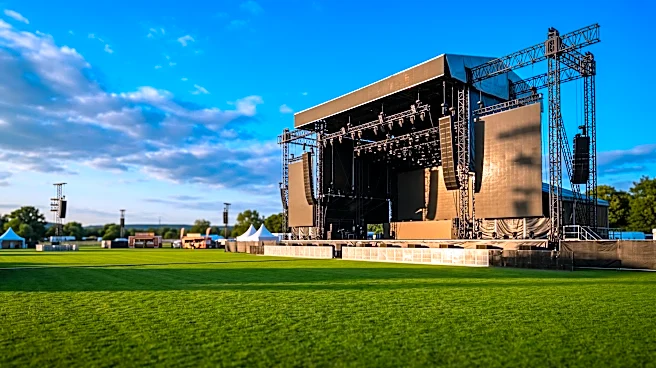
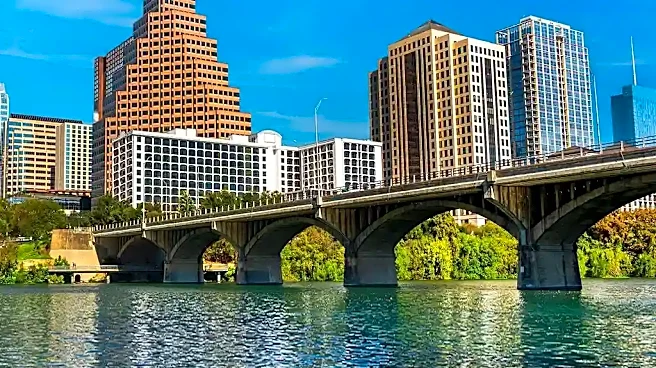
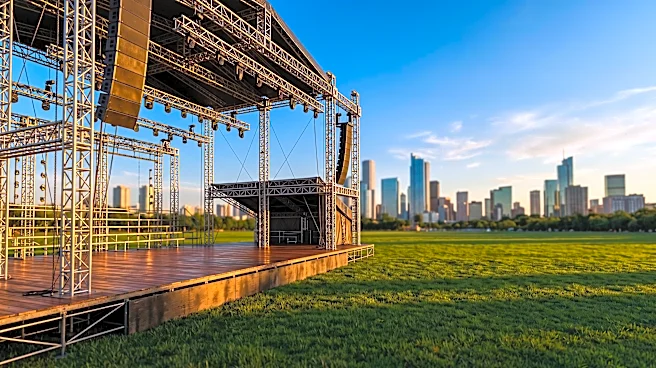
Anyone who has attended ACL Fest understands that the location is more than just a backdrop. The natural topography of Zilker Park is a key part of the experience. The gentle slope of the main lawn creates a natural amphitheater for the main stages, allowing tens of thousands of fans to get a decent view. More importantly, the park provides an iconic, quintessentially Austin view: the city skyline rising behind the stages. As the sun sets and the buildings light up, the park itself becomes part of the show. This unique setting, blending urban energy with green space, elevates the festival from a simple concert to a holistic cultural event that feels intrinsically tied to its host city.
Growing Pains and Mutual Gains
The relationship hasn't always been easy. As the festival exploded in popularity, expanding to two weekends in 2013 to meet demand, the strain on the park became a major concern. The sight of trampled, brown turf after 450,000 attendees is a yearly source of anxiety for locals. However, this challenge created a unique partnership. A significant portion of every ticket sold goes to the Austin Parks Foundation, funding millions in improvements not just for Zilker but for parks across the city. C3 Presents also pays for a comprehensive, year-round turf management and restoration program, which includes aeration, fertilization, and watering to ensure the park recovers. This cycle of use and renewal has become part of the festival's DNA, a necessary give-and-take to keep the music playing on its hallowed ground. In 2025, the city and C3 Presents signed a deal to keep ACL Fest in Zilker Park through 2040, cementing this powerful and complicated partnership for another generation.