








More Than Just a Red Stone
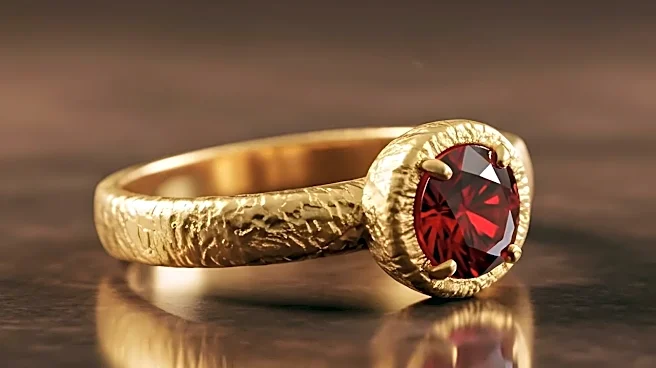
First, it’s helpful to know that “garnet” is not a single type of stone but a diverse family of gemstones that come in a rainbow of colors. While the deep red almandine and pyrope varieties are the most common, garnets can also be found in vibrant oranges
(spessartine), pinkish purples (rhodolite), and even brilliant greens (tsavorite and demantoid). Some rare garnets even exhibit a color-changing effect, shifting hues under different light sources. This diversity is the first clue that there’s more to this gem than meets the eye, but the most telling detail lies within one of its rarest and most valuable members.
The Allure of the Green Demantoid
The star of this story is the demantoid garnet, a brilliant green variety first discovered in Russia’s Ural Mountains in the 19th century. Its name comes from the Dutch word for “diamond-like” because of its incredible fire and brilliance, which can actually exceed that of a diamond. Demantoids are the most valuable garnets, prized for their intense green color and exceptional sparkle. While most gemstones are valued for their clarity and lack of internal blemishes, the most coveted demantoids possess a very specific type of inclusion—a supposed imperfection that, in this case, is a celebrated mark of distinction.
The 'Horsetail' in the Stone
The hidden detail is a unique inclusion known as a “horsetail.” These are fine, wavy, golden-blond fibers of chrysotile (a type of asbestos) that spread out from a central point, creating a pattern that resembles the flowing tail of a horse. In any other gemstone, inclusions are typically seen as flaws that diminish value. However, in Russian demantoids, these horsetail inclusions are highly prized by collectors. Their presence can dramatically increase the stone’s value and desirability, serving as a fingerprint of authenticity and a mark of prestigious origin.
A Signature of Artistry and Origin
This is where true craftsmanship comes into play. A skilled gem cutter, or lapidary, who encounters a rough demantoid with a potential horsetail inside faces a critical choice. Instead of trying to cut the inclusion out to create a “cleaner” stone, the artisan will intentionally shape the gem to best display this beautiful, feathery pattern. This requires immense skill and precision. The cutter must orient the rough stone perfectly, faceting it in a way that centers and highlights the inclusion without compromising the gem’s brilliance. It’s a delicate balance of preserving weight, maximizing fire, and showcasing a natural feature that makes the stone unique. This conscious decision to celebrate, rather than hide, an internal feature is the ultimate expression of craftsmanship, transforming a natural quirk into a deliberate artistic statement.