

Start with the Fiber
The soul of any great sweater is its fiber, and Danish brands often prioritize high-quality, natural materials that stand the test of time. Your first step is to check the composition label. Look for 100% natural fibers or blends where they dominate.
Merino wool is a popular choice for its softness, breathability, and smooth feel against the skin. Lambswool offers a slightly more rustic, robust texture that’s incredibly warm. For ultimate luxury, cashmere provides unparalleled softness and warmth for its weight, though it requires gentle care. Don’t dismiss high-quality cottons like Pima or Egyptian, which can create durable, soft knits perfect for transitional weather. Historically, traditional Danish sweaters were made of fine wool, often in a single color, focusing on texture over intricate colorwork. The key is that high-quality natural fibers breathe better, feel better, and age more gracefully than their synthetic counterparts like acrylic or polyester, which often pill quickly and lack the same insulating properties.
Demystifying Gauge
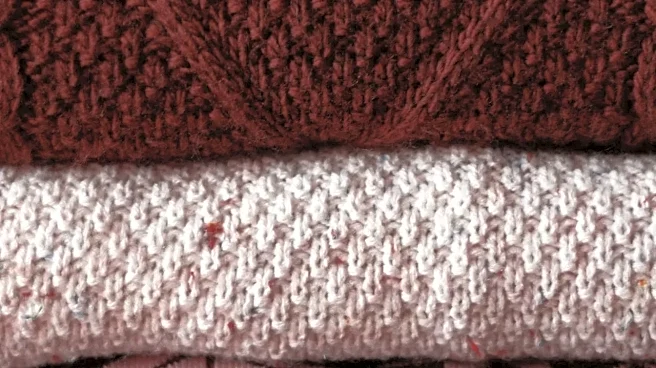
Gauge is one of the most important, yet least understood, aspects of knitwear. Simply put, it refers to the density of the knit—or the number of stitches per inch. This detail determines a sweater's weight, drape, and warmth. A low gauge number indicates a chunkier, more open knit. Think of a classic, thick fisherman's sweater; its low gauge creates a lofty, airy fabric that traps heat well. A high gauge number means the stitches are much finer and tighter, resulting in a lighter, smoother, and more refined fabric. Many classic, year-round sweaters are made in a versatile 12-gauge knit, which is substantial enough to be warm but fine enough to layer comfortably. Understanding gauge helps you predict how a sweater will feel and function. A high-gauge merino wool turtleneck will be sleek and perfect for wearing under a blazer, while a low-gauge wool crewneck is your ideal companion for a cold winter weekend.
Focus on Construction
How a sweater is assembled is a major indicator of its quality and longevity. The gold standard is a technique called "fully fashioned." This is where each piece of the sweater—the front, back, and sleeves—is knitted to its precise shape and then linked together. This method results in clean, durable seams that have the same elasticity as the rest of the garment, offering a superior fit and finish. It also significantly reduces material waste. You can often spot fully fashioned construction by looking for small stitch marks near the shoulder or armhole seams, where the pieces were joined. The alternative is "cut and sew," where the sweater pieces are cut from a large sheet of knitted fabric and then sewn together, much like a t-shirt. While more cost-effective, this method can result in bulkier seams that lack stretch, and the cut edges are more prone to unraveling over time. Paying attention to these construction details, from the type of seams to the finishing on the cuffs and neckline, separates a disposable piece from an heirloom.
The Danish Design Philosophy
Beyond the technical specifications, Danish knitwear is often defined by a philosophy of simplicity, functionality, and relaxed elegance. Silhouettes tend to be wearable and versatile, featuring details like drop shoulders, comfortable crew necks, and a slightly oversized, relaxed fit that doesn't feel precious. The color palettes are often muted and inspired by nature, focusing on neutrals that can be easily integrated into any wardrobe. This design ethos emphasizes creating garments you can truly live in. Many Danish brands are also increasingly focused on sustainability, using responsibly sourced wool and ethical production methods. When you invest in Danish knitwear, you're not just buying a sweater; you're buying into a tradition of thoughtful craftsmanship designed for everyday life.