





The Curse of the Fifth Game
In the lexicon of global soccer, few phrases carry as much weight for a single nation as “el quinto partido”—the fifth game. This refers to the World Cup quarter-finals, a stage Mexico has failed to reach in every tournament since it last hosted in 1986.
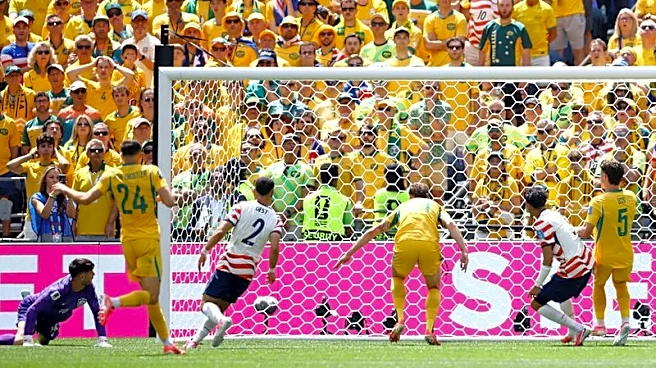
The pattern is maddeningly consistent. From 1994 to 2018, across seven consecutive World Cups, El Tri brilliantly navigated the group stage, earning a spot in the Round of 16. And in every single one of those seven tournaments, their journey ended right there. This isn’t just a streak; it’s a national obsession. The losses have come in every heartbreaking flavor imaginable. A penalty shootout loss to Bulgaria in 1994. A last-minute collapse against Germany in 1998. A bitter defeat to archrival USA in 2002. An extra-time wonder goal by Argentina’s Maxi Rodríguez in 2006. A thrashing by that same Argentina in 2010. A gut-wrenching, controversial stoppage-time penalty against the Netherlands in 2014. And a clinical dismantling by Brazil in 2018. Seven times they knocked on the door of the elite eight. Seven times they were turned away.
More Than Just Bad Luck
It’s tempting to write this off as a simple case of running into superior opponents. Mexico has, after all, consistently faced global powerhouses like Germany, Argentina, Brazil, and the Netherlands in these knockout games. But that’s too simple an explanation. In many of those matches, Mexico went toe-to-toe with the giants, often outplaying them for long stretches before a single moment, a lapse in concentration, or a controversial call sealed their fate. The 2014 loss to the Netherlands is the perfect example. Giovani dos Santos’s brilliant goal had Mexico minutes away from victory before a late equalizer and a debatable penalty won by Arjen Robben flipped the script. The phrase “No era penal” (“It wasn’t a penalty”) became a national rallying cry, a symbol of a destiny snatched away by external forces. But after so many similar endings, the pattern begins to feel internal. The ceiling feels less like a physical barrier and more like a psychological one—a self-fulfilling prophecy where the team, and its millions of fans, begin to expect the inevitable collapse.
A Nation's Narrative of 'Casi'
This repeated failure has woven itself into the fabric of Mexican sporting identity. The team is defined by “casi,” the Spanish word for “almost.” They are the eternal underdog that’s good enough to compete but not quite good enough to break through. Every World Cup cycle, the national conversation is dominated by this one objective: Can they finally reach the fifth game? It overshadows everything else. The pressure becomes immense, a collective anxiety passed down from one generation of players to the next. This narrative is especially potent for the massive Mexican-American fanbase in the United States, for whom El Tri is a powerful link to their heritage. The team’s triumphs and heartbreaks are felt just as deeply, if not more so, in Los Angeles, Houston, and Chicago as they are in Mexico City. The dream of the quinto partido is a shared cross-border obsession, a story of striving for a respect that has always felt just out of reach.
The Rupture of 2022
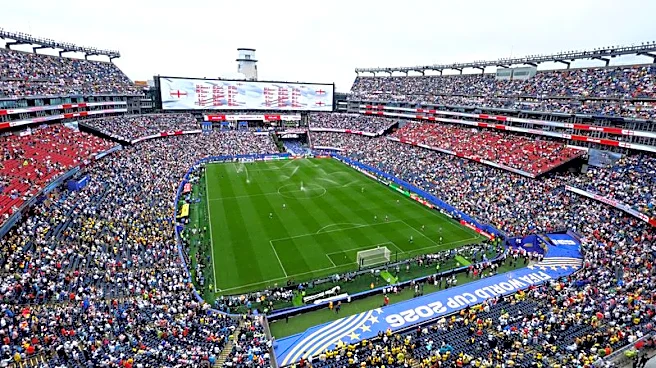
Then came the 2022 World Cup in Qatar, where the curse wasn't tested because Mexico didn't even get the chance. For the first time since 1978, El Tri failed to advance from the group stage. The quest for the fifth game was over before it began. This wasn't just another heartbreak; it was a regression. It suggested that the program wasn't just stuck, but potentially sliding backward. The reliable floor of making the Round of 16 had fallen out from under them, making the ceiling seem impossibly high. Now, with the U.S., Mexico, and Canada co-hosting the 2026 World Cup, the stakes are reset. Playing on home soil provides a monumental opportunity. But it also magnifies the pressure. The entire narrative of modern Mexican soccer will converge on that tournament. It won’t be enough to just host; they will be expected to finally deliver.