





The June Delusion: All Stars, No Substance
It’s an intoxicating time, the start of a World Cup. Pundits and fans alike are hypnotized by star power. We build our brackets around the teams with the biggest names and the most fearsome attacking trios. In the early days of the 2026 tournament, all
the buzz was about the individual brilliance on display. Pre-tournament favorites like France, Spain, and Brazil dominated conversations, built around their star-studded squads. The prevailing wisdom was simple: the team with the most players from Europe’s biggest clubs would surely triumph. The “crazy” take is to suggest otherwise. It’s arguing that a team of superstars might be less than the sum of its parts. To say, for example, that a powerhouse like Germany might be vulnerable to a less-fancied but more organized opponent like Paraguay sounds absurd. Yet, these are the whispers that begin, only to be drowned out by the hype. In June, we’re all romantics, believing that individual genius can bend a tournament to its will. We fall for the highlight reels, not the tactical discipline.
The July Reckoning: Team Trumps Talent
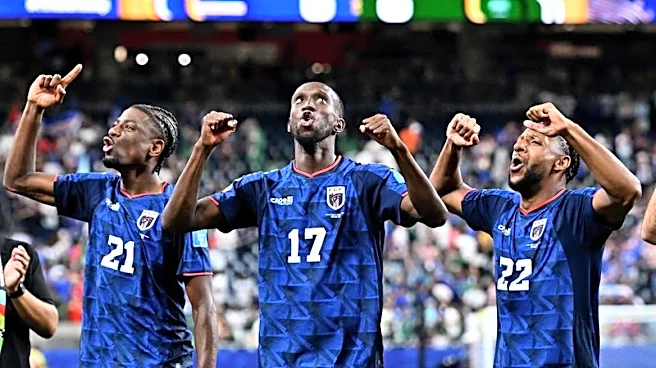
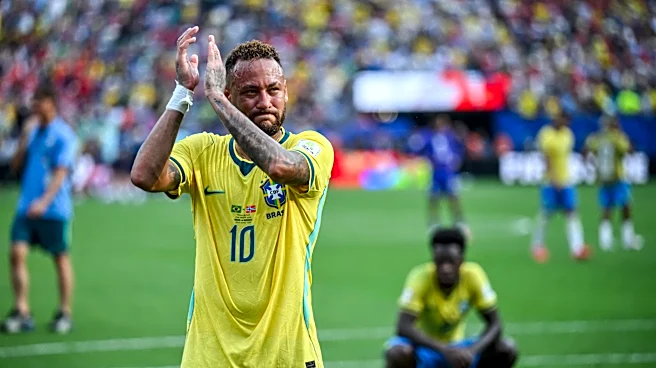
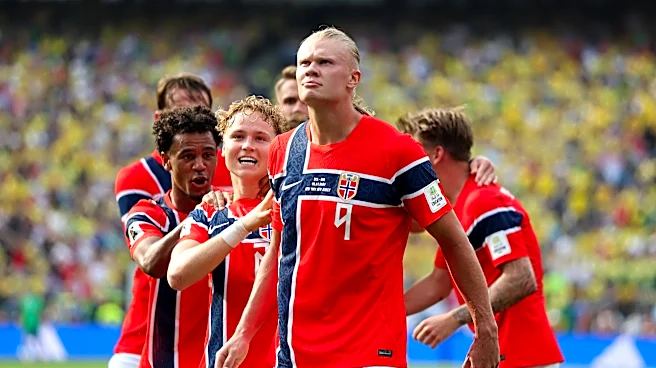
And then, July happens. The knockout stages begin, and the tournament’s true character is revealed. The 2026 World Cup provided a masterclass in this very lesson. Germany, a four-time champion, was shockingly eliminated by Paraguay in a penalty shootout. Brazil, despite its attacking flair, fell to a disciplined Norway side in the round of 16. Even the Netherlands went out to the giant-killing Morocco. Meanwhile, the teams that marched on weren't always the most star-studded. They were the most cohesive. Look at the surprising run of Cape Verde, the smallest nation to ever reach the knockout stage. They didn't win with household names; they won with a disciplined low block, immense self-belief, and a tactical plan that grew stronger with every match, even pushing the eventual champions Argentina to their limit. This is the July reality check. The grueling, high-pressure environment of a World Cup knockout game rewards chemistry, defensive structure, and collective grit far more than it does a flashy step-over. The teams that looked unstoppable in the group stage suddenly seem fragile when faced with an opponent that is organized, determined, and plays as a single, unified force.
Why Structure Is the New Superstar
The hot take isn’t really that hot; it’s just a fundamental truth of modern, top-level soccer that we choose to forget every four years. The gap between the traditional powers and the so-called “smaller” nations has been closing for years. Players from countries like Cape Verde and Morocco are no longer strangers to elite competition; many play in top European leagues. This means that on any given day, a well-drilled, tactically astute team can frustrate and defeat a collection of more talented individuals. The 2026 tournament was defined by tactical depth, aggressive counter-pressing, and teams that functioned as a single organism. The idea of a single superstar dragging an otherwise average team to glory is largely a relic of a bygone era. Today's game is too fast, too organized, and too physically demanding. Victory is forged in defensive shape, midfield balance, and the unselfish work of the entire team. A disciplined defensive unit is often more valuable than a maverick forward.