






A Journey Not Home, But Within
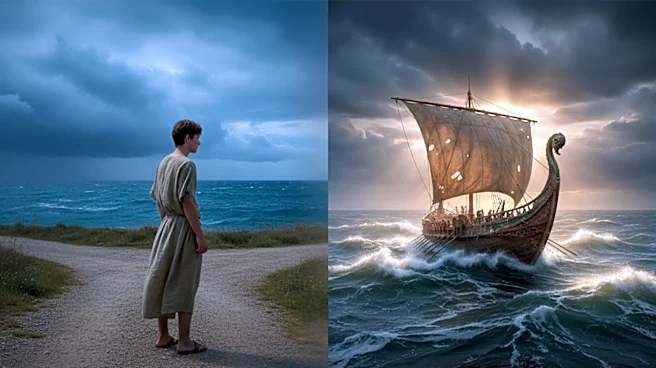
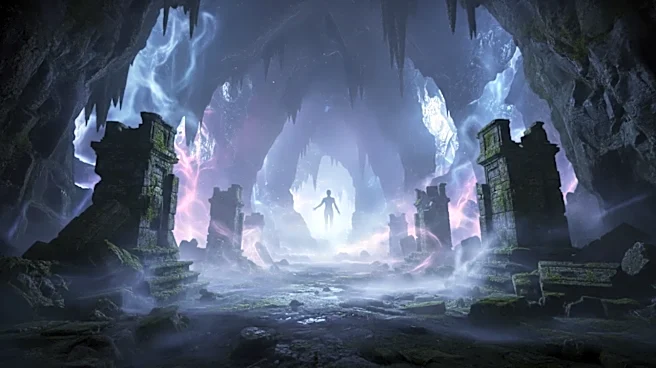
Midway through his rambling, decade-long return from Troy, Odysseus is given a strange command by the witch Circe: to find his way home, he must first journey to the land of the dead. This sequence, known as the Nekuia, forms Book 11 of the epic and is far
more than a supernatural detour. It’s a descent into the hero’s own psyche. While the rest of the epic tests his brawn, his wit, and his ship-handling, the Underworld tests his soul. Here, there are no monsters to outsmart or storms to survive. There are only ghosts and the crushing weight of consequences. This is the moment the swashbuckling adventure transforms into a profound story about loss, memory, and the burdens of being human.
The Mother's Heartbreaking Revelation
The most gut-wrenching moment in Hades, and arguably the entire epic, is Odysseus’s reunion with his mother, Anticlea. He didn't even know she was dead. When her spirit appears, he learns she didn't die of old age or sickness, but from grief and longing for her son's return. The wily, seemingly unflappable hero, who faced a Cyclops without flinching, is shattered. He tries three times to embrace her, but his arms pass through her incorporeal form. It’s a devastatingly physical depiction of an emotional reality: the past is a ghost you can see and speak to, but can never hold again. In this moment, the cost of his journey becomes deeply personal. It’s not about glory or fame; it’s about the mother he will never hug again, a loss caused by his long absence.
Fallen Heroes and Faded Glory
The Underworld also serves as a stark rebuttal to the heroic ideals celebrated in The Iliad. Odysseus meets the spirit of Agamemnon, the great king who led the Greeks at Troy. Agamemnon tells of his pathetic end—murdered at his own dinner table by his wife and her lover. He warns Odysseus to trust no one, not even his own faithful wife, Penelope, and to return home in secret. Then comes the most shocking encounter: Achilles, the greatest warrior of all. Odysseus praises him, saying he must be a king even among the dead. Achilles’ reply is a stunning rejection of the warrior's code. He claims he’d rather be a landless farmhand, the lowest of the low on Earth, than rule over all the dead. For a culture built on the pursuit of kleos (glory in death), this is a bombshell. The ghosts of his peers teach Odysseus a hard lesson: earthly glory is meaningless in the face of death, and the world is far more treacherous than he remembered.
The Burden of Knowing
The official reason for the trip is to consult the blind prophet Tiresias, who provides a roadmap for the rest of Odysseus's journey home. But the prophecy itself is another source of emotional weight. Tiresias warns him of the dangers ahead, particularly the dire consequences of harming the sacred cattle of the Sun god. He confirms Odysseus will make it home, but he will be alone, his crew lost, and will find his house in turmoil. The journey doesn't end even when he reaches Ithaca; he must then set out on yet another mysterious quest to appease the god Poseidon. Odysseus goes to the Underworld seeking a path, but leaves with a burden. He is no longer just a man trying to get home; he is a man who knows the immense suffering still to come for himself and those around him.