







The Birth of a Bizarre Legend
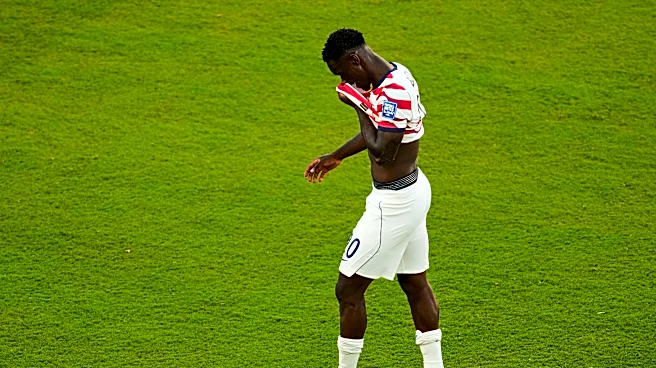
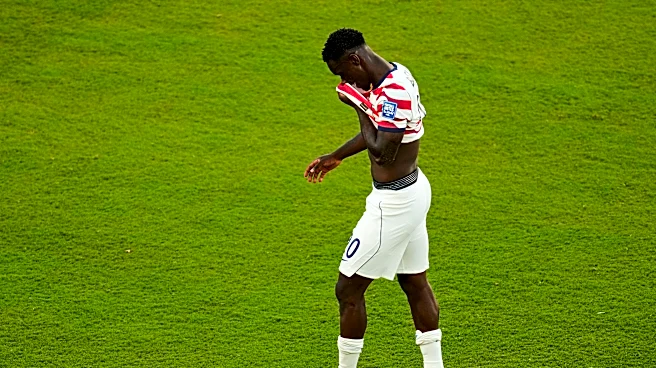
The story of the Jagger Jinx began in earnest during the 2010 World Cup in South Africa. The Rolling Stones frontman, a genuine soccer fan, was spotted in the stands with former President Bill Clinton, cheering on the United States against Ghana. The U.S.
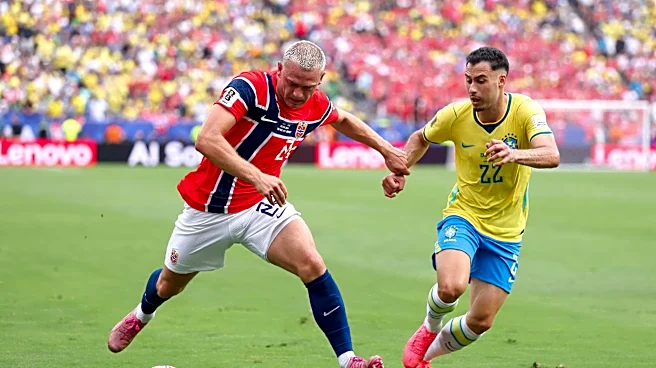
lost. The next day, he watched his home nation, England, get dismantled 4-1 by Germany. For good measure, he was later seen sporting a Brazil jersey during their quarterfinal match against the Netherlands. Brazil, the tournament favorite, was promptly knocked out. One celebrity supporting a losing team is a coincidence. Three in a row during the planet's most-watched tournament? That’s the start of a legend. What began as a quirky observation soon snowballed into a full-blown narrative.
A World Tour of Misfortune
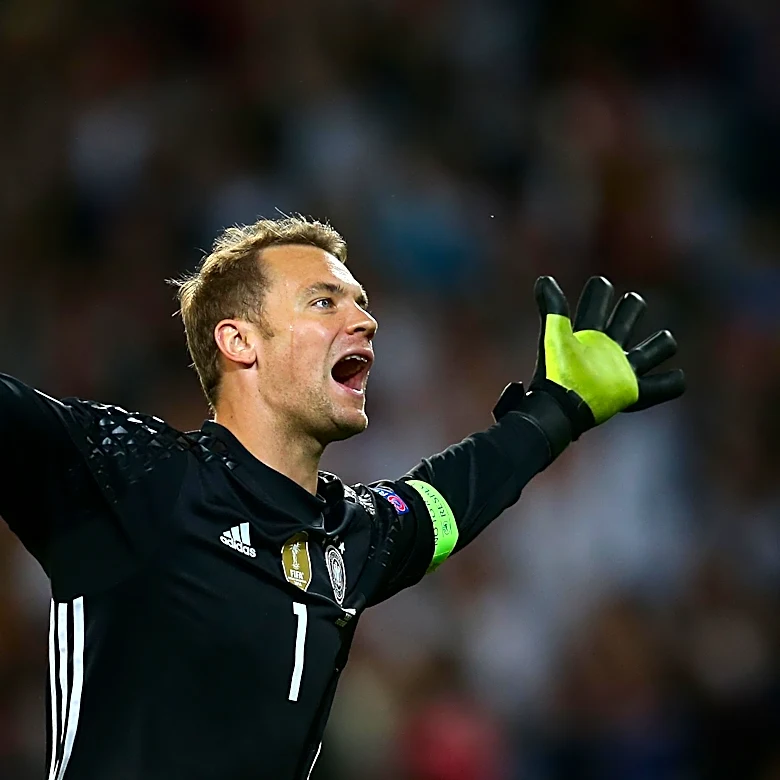
If 2010 was the spark, the 2014 World Cup in Brazil was the inferno. The curse went international. During a concert in Lisbon, Jagger offered his support for a Cristiano Ronaldo-led Portugal to win the whole thing; they crashed out in the group stage. At a show in Rome, he predicted Italy would beat Uruguay to advance; they lost 1-0 and were sent home. He even tweeted his encouragement to England before a crucial match against Uruguay, which they also lost. But the curse’s crowning moment came during the semi-final. Jagger attended the match between host nation Brazil and Germany with his Brazilian son. The world watched in shock as Germany dismantled Brazil in a historic 7-1 humiliation, and Jagger was right there in the stands to see it. The legend was no longer a whisper; it was a roar.
The 'Pé Frio' Phenomenon
Nowhere was the narrative stronger than in Brazil, where fans gave Jagger the nickname “pé frio,” which translates to “cold foot”—a local term for someone who brings bad luck. The superstition became so mainstream that fans began to weaponize it. Ahead of the infamous semi-final, some Brazilian fans brought cardboard cutouts of Jagger wearing a Germany jersey, hoping to reverse-jinx their opponents. This interactive element is part of what made the storyline so compelling. It evolved from a simple observation into a participatory meme. Opposing fans would gleefully point out Jagger’s allegiance, while his chosen teams would publicly groan. The curse had become a tool of psychological warfare in the stands and on social media.
Superstition, Celebrity, and Confirmation Bias
So why did this particular story stick? It’s a perfect storm of sports, celebrity, and human psychology. Soccer is a game rife with superstitions, and fans are always looking for external forces to blame for a loss or credit for a win. It’s far more fun to blame a rock star than to analyze a defensive breakdown. Add a globally recognized face like Mick Jagger, and you have a narrative that’s instantly understandable and shareable. The final ingredient is confirmation bias. We selectively remember the times the curse “worked” because it makes for a better story. Does anyone remember a team Jagger supported that went on to win? Not really. But everyone remembers Brazil’s 7-1 loss. The legend feeds itself, with each new loss reinforcing the narrative and conveniently ignoring any contradictory evidence.
The Man Himself Weighs In
Perhaps the most entertaining part of the whole saga is that Mick Jagger is in on the joke. He's never shied away from his reputation as a soccer jinx. After Brazil's monumental defeat in 2014, he quipped to the press, "I can take responsibility for the first German goal, but not the other six!" This self-aware humor only adds fuel to the fire. By acknowledging the curse, he legitimizes it as a fun piece of sports folklore. His presence at the 2018 World Cup semi-final, where England lost to Croatia, was seen as the curse striking again, a narrative he seemed to foreshadow in his 2017 song "England Lost." He’s not a villain in this story; he’s a willing, winking participant.