

The Battle Against Daylight
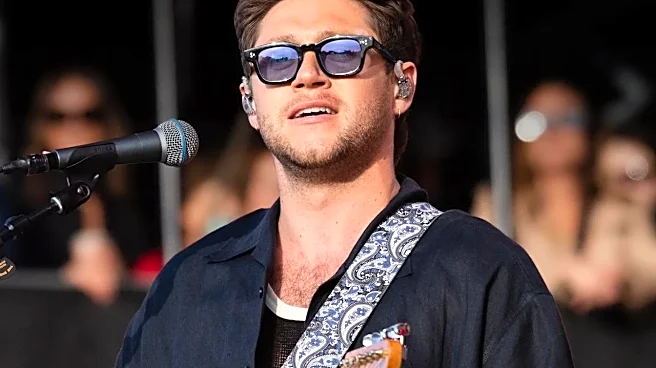
For the thousands of fans spread across Zilker Park, a daytime set under a clear Austin sky feels like the quintessential festival experience. But for the lighting designer tucked away in a booth, it’s a technical nightmare. Stage lighting is an art of control—of
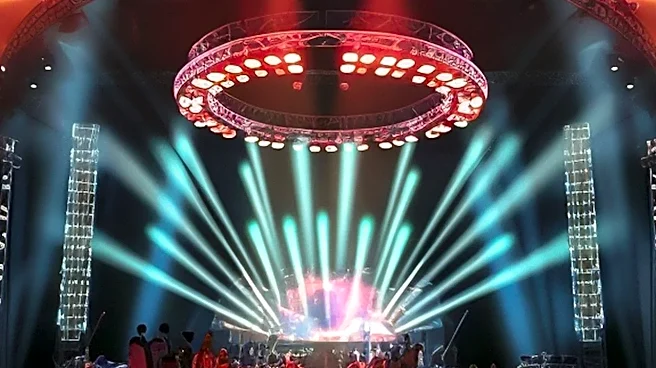
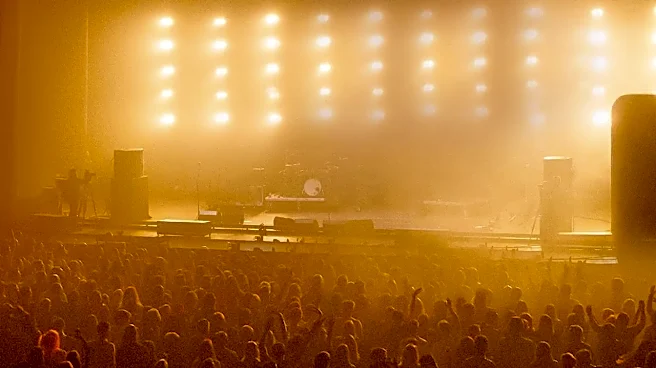
sculpting with shadow, color, and intensity to build a world. Its purpose is to direct attention, create a mood, and amplify the emotional peaks of a performance. But during the day, none of those rules apply. The sun is an uncontrollable, full-stage wash of white light that overpowers even the most advanced LED rigs. Haze, which is crucial for making light beams visible, becomes nearly invisible. Lasers lose their punch. The entire toolkit that a designer uses to create intimacy, drama, or energy is rendered almost completely useless. Instead of painting on a blank, black canvas, they’re trying to add a few brushstrokes to a canvas already flooded with light.
Losing the Fourth Wall
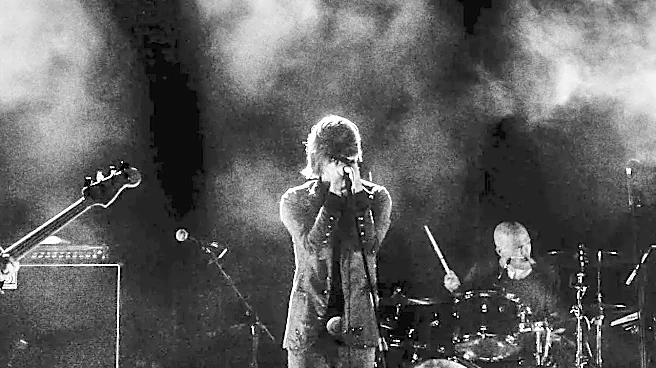
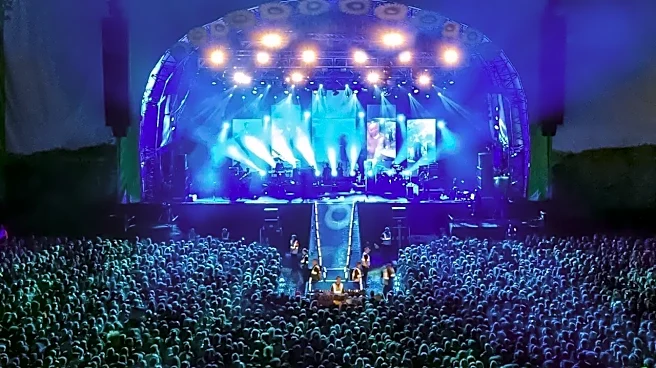
The challenge isn't just technical; it's deeply artistic. Darkness creates a psychological barrier between the audience and the performers, a shared space where reality can be suspended. A carefully timed blackout can create shock or suspense, while a slow fade from one color to another can signal a shift in emotion. Stage lights tell the audience where to look and how to feel. In broad daylight, that curated environment vanishes. Artists on stage can see every face in the crowd, every person checking their phone or heading for the food trucks. The shared intimacy of a darkened room is replaced by the sprawling, exposed reality of a park. This makes it harder for performers to build a unique atmosphere for their set, whether it's the moody melancholy of an indie band or the high-octane flash of an electronic act. The magic of the show has to come purely from the performance itself, without the powerful aid of visual storytelling.
The Art of Adaptation
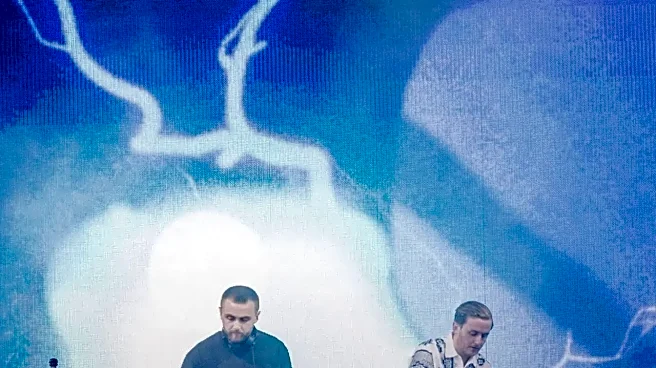
So how do artists scheduled for those 2 p.m. slots cope? They adapt by leaning into what they can control. Since they can't rely on a dynamic light show to create visual energy, many bands dial up their physical performance. Daytime sets often feature more movement, more direct crowd interaction, and a raw, high-energy approach that doesn't need fancy production to connect. It’s less about creating a spectacle and more about starting a party. Some bands also get creative with their stage design, using bold backdrops, unique props, or colorful outfits to add a visual signature that doesn't depend on darkness. They treat the sun not as a limitation, but as a different kind of setting—one that calls for a different style of show. It’s a testament to their showmanship that they can create a memorable experience when their most powerful visual tool is unavailable.
A Different Kind of Show
For festival-goers, understanding this challenge can change how they see the early-day lineup. It’s easy to assume the biggest acts get the night slots simply because they are more popular, but it’s also because their shows are often more dependent on complex, lighting-heavy productions. That daytime slot isn't just an opening act; it's a completely different discipline. It demands a specific kind of confidence and charisma to command a stage without the cover of darkness and the spectacle of a million-dollar light rig. These artists aren't just playing music; they're fighting the sun, and winning.